

Come winter, indoor comfort gets tricky in two ways: it’s cold, and it’s dry. Standard forced-air heaters give you a quick blast of warmth that feels good for a minute, then leaves your skin tight and your sinuses parched. The reason is straightforward—pushing air around heats the space, but it also strips out moisture fast.
What’s actually happening under the hood
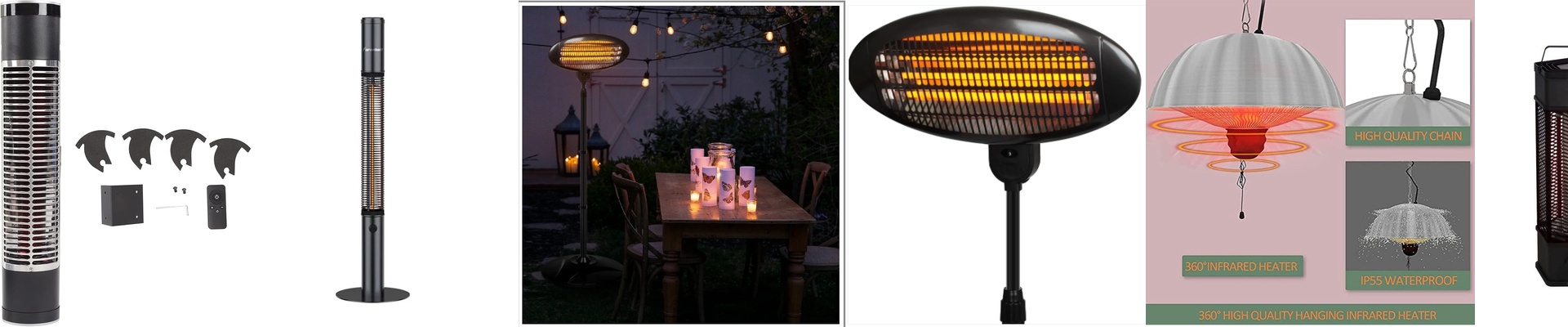
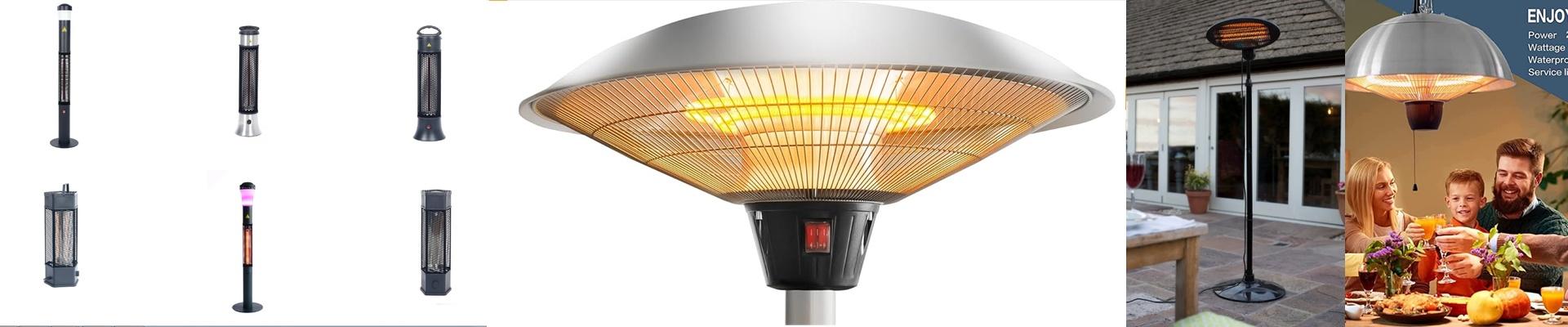
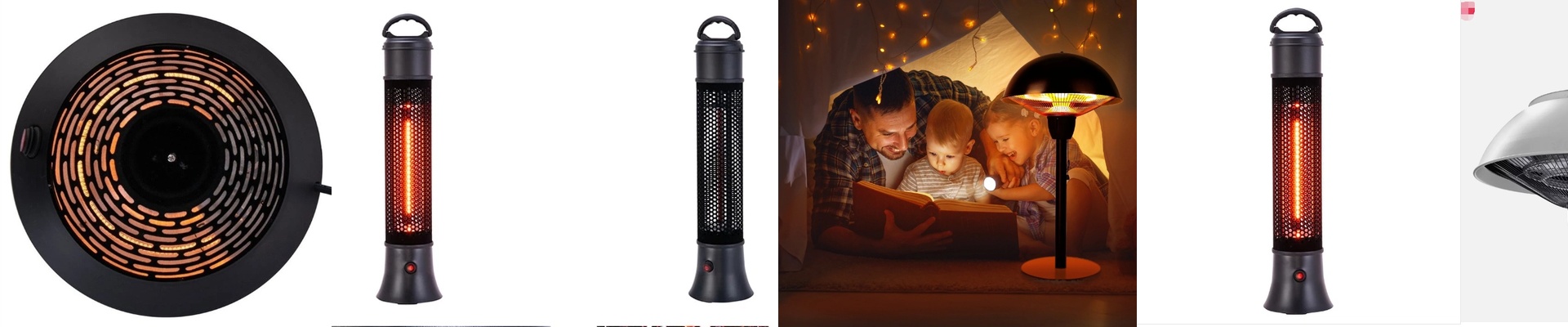
Halogen patio heaters lean on radiant infrared. They send heat straight to people, furniture, and floors—just like the sun. Inside a sealed quartz tube, the heating element glows and produces short-wave infrared energy. That energy travels in a straight line and gets absorbed the moment it hits a surface.
So you feel warmth almost instantly, without waiting for the room air to start circulating. Because the heat is delivered by radiation, not convection, the air stays more stable, and that familiar drying effect from a typical space heater drops way off.
Why this approach fits living rooms and covered patios
In spaces like living rooms, sunrooms, and covered patios, comfort is about steady conditions, not temperature spikes. A halogen patio heater warms the surfaces around you, so you feel cozy even when the whole-house thermostat hasn’t been cranked.
That matters when you’re reading, relaxing, or entertaining—no constant tug-of-war between warmth and dryness. You get that wrapped-in feeling, and the room’s humidity stays more balanced because the air isn’t being churned and reheated over and over.
The practical stuff—placement and use
Infrared warmth needs a clean line of sight. Keep the unit unobstructed and aim it so the beam hits the seating area directly, and you’ll feel the full effect.
These heaters are built for supplemental heating. They’re ideal for the spots you actually use, not for trying to heat an entire home. For safe operation, set the heater on a stable surface and follow the clearance distances in the manual. Radiant heat can warm nearby objects—and that warmth is part of the comfort—but it needs space to work properly.