
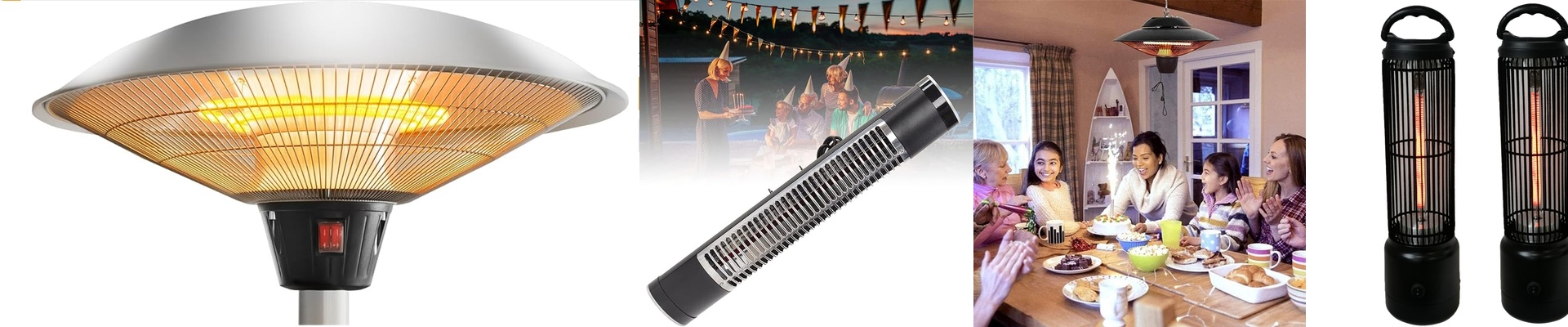
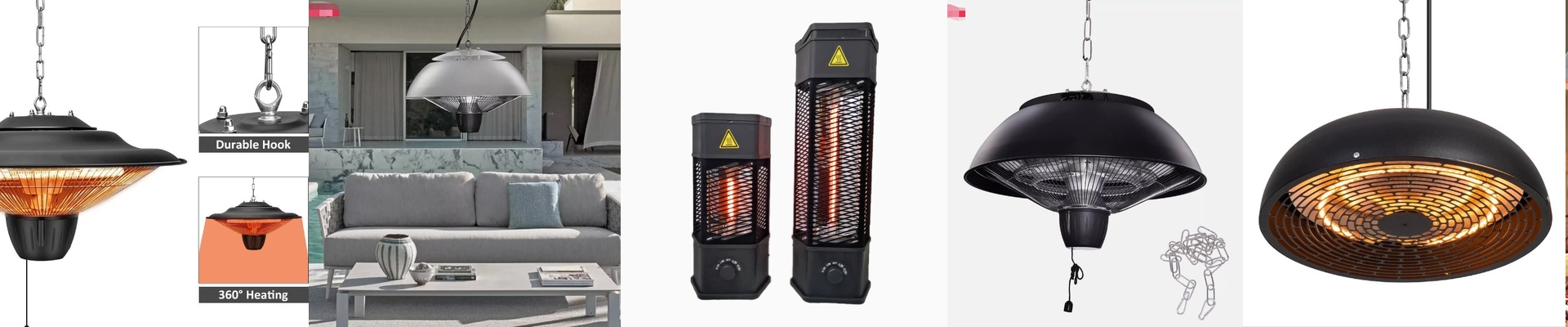
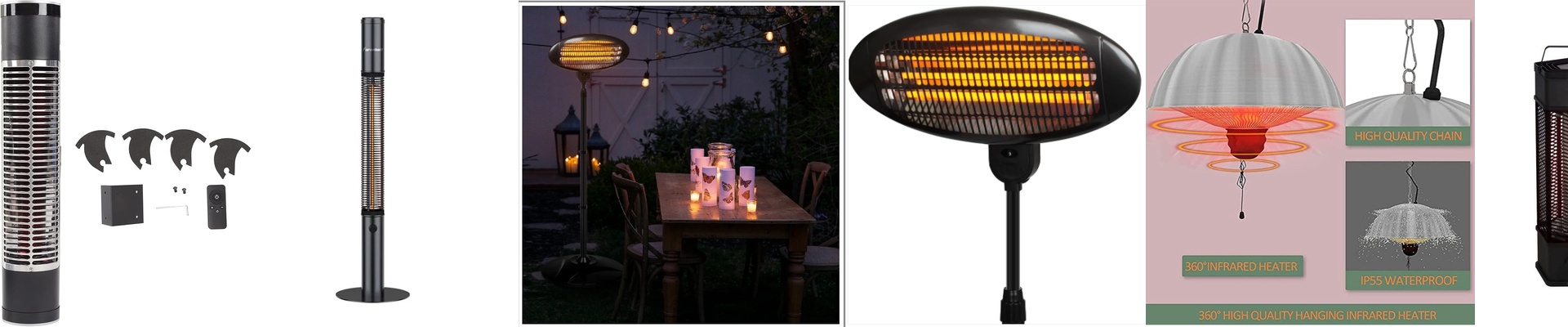
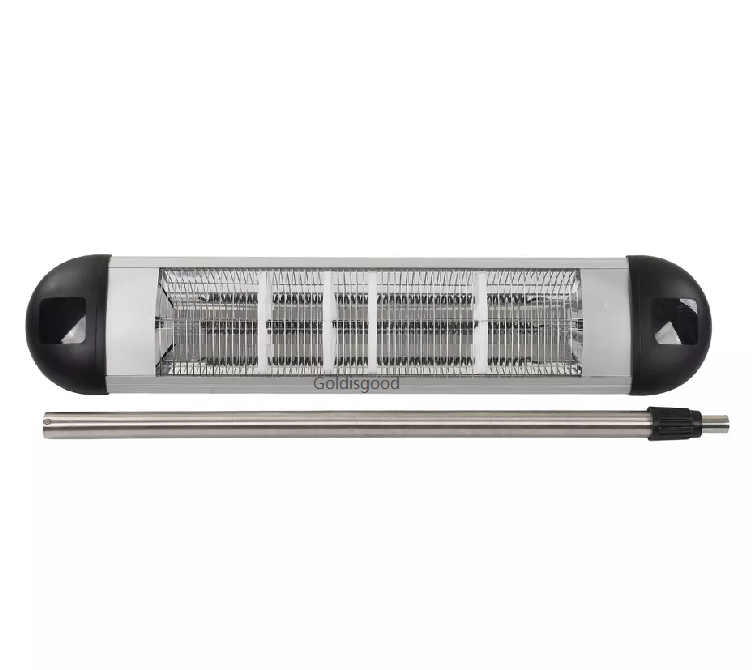
Galleries and museums control the air for a reason: the building’s contents are fragile. Warmth has to protect canvas, pigment, and wood—never work against them. When the temperature drops, forced-air systems kick up dust and shift humidity, and that’s where trouble starts. The right infrared patio heater keeps the space steady and comfortable, without disturbing what can’t take it.
What we focus on, technically
We build these electric infrared heaters around radiant warmth, not convection. The energy travels as light, warming people and solid surfaces directly, with very little air movement. For galleries and museums, we typically lean on medium-wave quartz tubes or carbon fiber elements, tuned to deliver gentle, even coverage. Output is matched to room size—usually 1.5 kW to 3.0 kW per unit—with 120V or 240V options and a standard grounded plug. A built-in thermostat holds the setpoint, and tip-over protection shuts the heater off if it gets bumped.
Why this approach fits the space
Radiant heat warms visitors and staff where they stand, so the room feels comfortable at a lower air temperature. That translates into steadier conditions for sensitive collections—no wide swings that drive relative humidity up and down. Because the heat is directional, you can aim it where people gather and keep it off the artwork. For bulk buyers, that means fewer call-backs, lower operating costs, and a heating plan that sits comfortably alongside conservation standards.
The practical details that matter
Infrared heats what it can “see,” so placement is half the job. Keep clearances from drapes, frames, and furnishings, and angle the heaters to avoid direct glare on delicate surfaces. These units are designed for indoor use. They can work in protected outdoor areas, but they’re not rated for full exposure to rain. If you want the cleanest, quietest install, hardwiring is often the way to go.