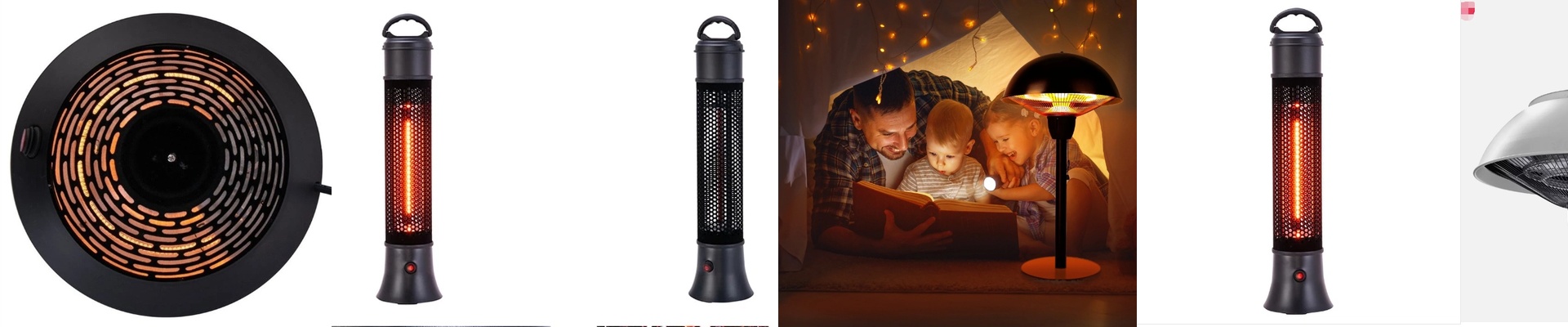
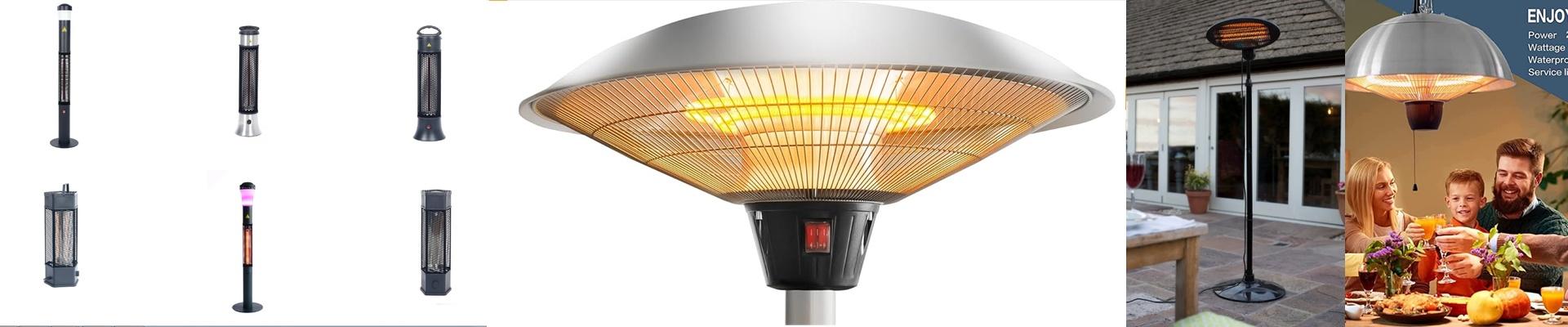
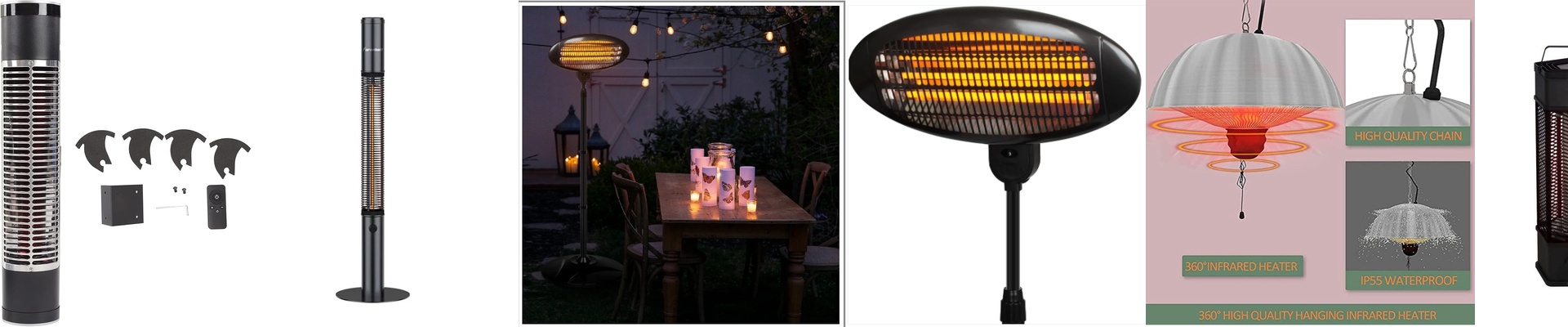
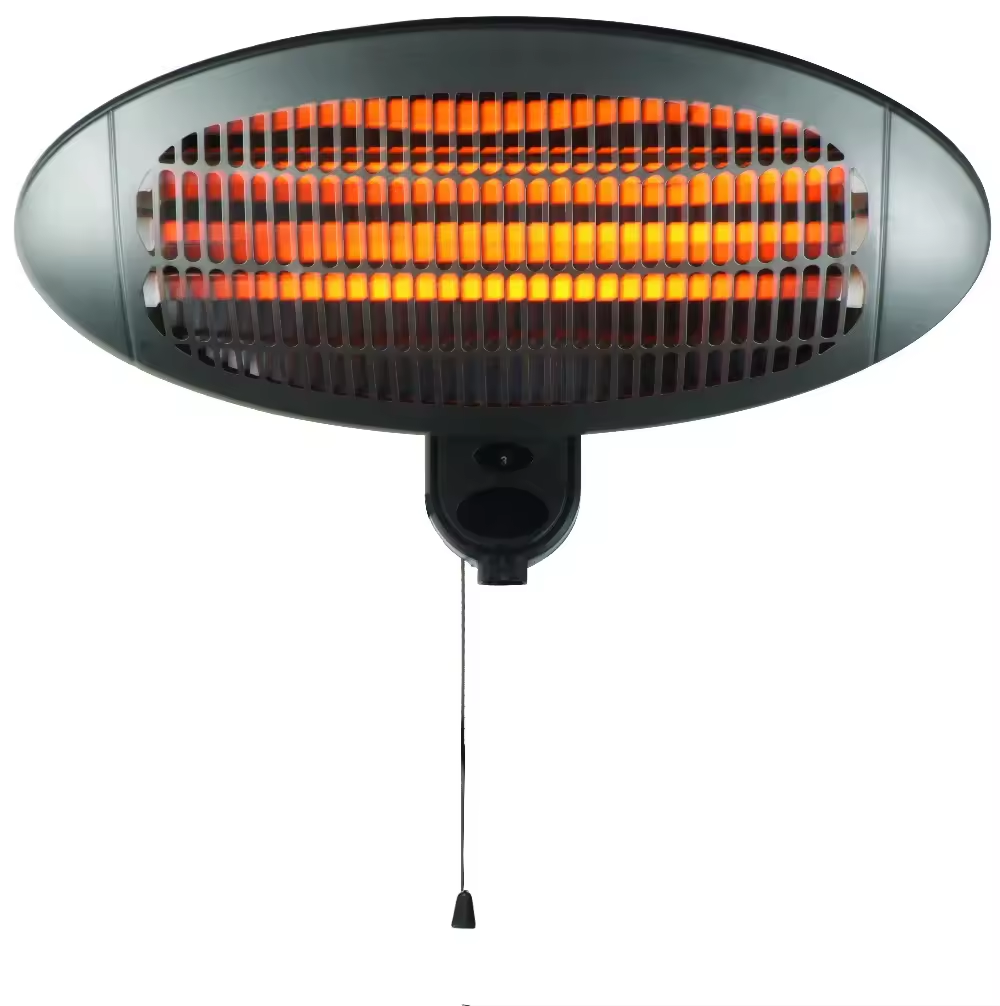
Convector Heater Design: High-Density Halogen Heat, Built for the Real World
We build convector heaters for those industrial spots where you need serious, focused heat—without taking up a ton of space. The secret? A halogen lamp core that throws direct radiant heat, paired with natural convection that moves air across the hot surface. Two ways of heating, working together in one compact package.
Power, Voltage, and Size—All Chosen to Keep Things Tight
Here’s the thing: when space is tight, heat density is everything. So we pack a lot of punch into a small footprint. A typical tube is just 300mm long, but it cranks out 2500W. That’s a lot of wattage per inch. It means you can heat a focused zone fast—like, really fast. And because speed matters, the electrical setup has to be smart. We offer 400V operation to match plant power distribution. That keeps the current lower than a 230V design at the same wattage. Lower current means smaller wiring, simpler terminations, and less voltage drop over long runs. Less fuss. More reliability.
The Details That Make It Hold Up Under Pressure
Inside the tube, the halogen cycle keeps the filament stable even at extreme temperatures, so output stays consistent over the life of the lamp. The quartz envelope is coated to manage infrared distribution and shield the element from airborne contaminants. For mounting, we use R7s connectors. They lock in quickly, give you solid contact, and handle the heat right at the terminals. The payoff? A heater you can swap out on the line in minutes—and still trust to hold up through repeated thermal cycling.
Built for the Machines That Can’t Wait
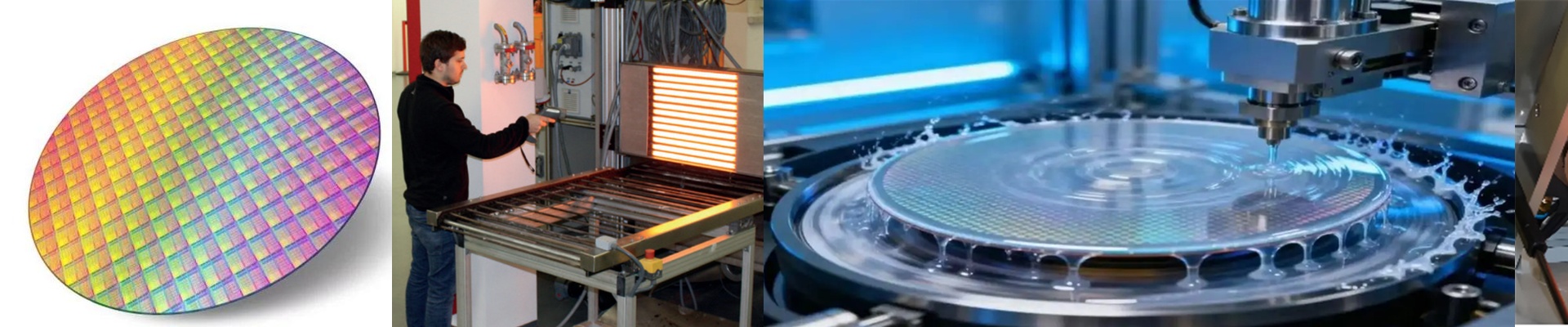
This setup is for production machines that need rapid warm-up and repeatable temperature control—think plastic processing cells, drying tunnels, and packaging sealing stations. You get fast response. Predictable output. And when it’s time to replace a unit, it’s a straightforward drop-in. No overthinking. No downtime dragging on. Now, there’s one trade-off to keep in mind: packing that much power into a short tube means the surrounding equipment has to manage heat rejection properly. If it doesn’t, the lamp will run hotter than it was designed to. So plan for heat management—your equipment (and your lamp) will thank you.