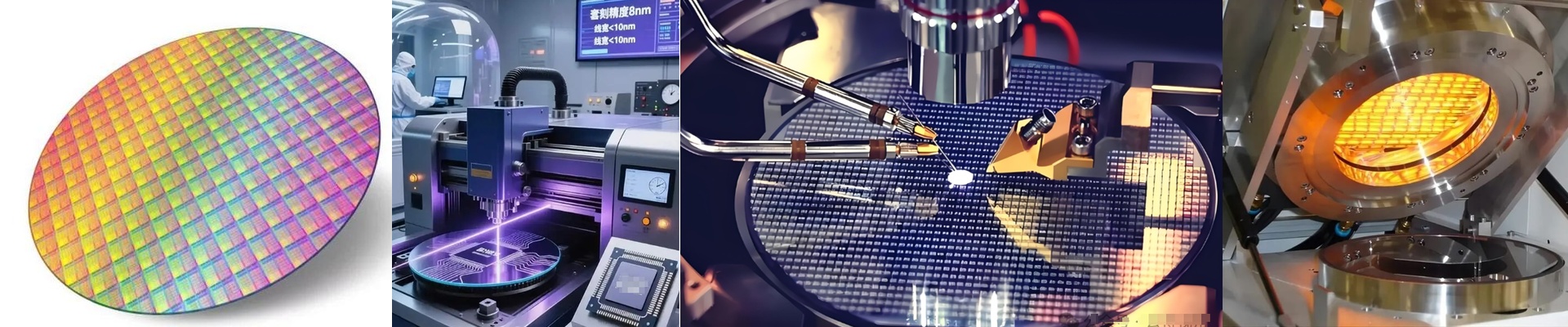
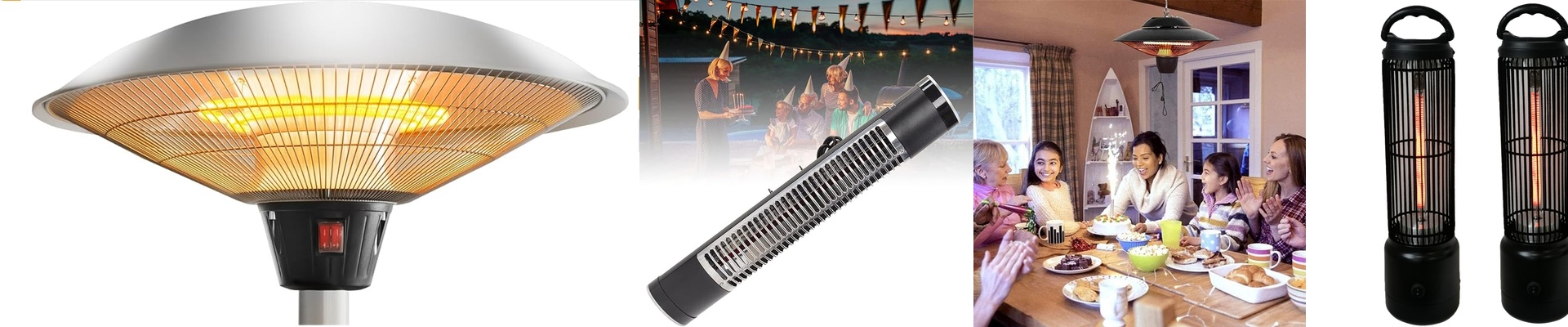

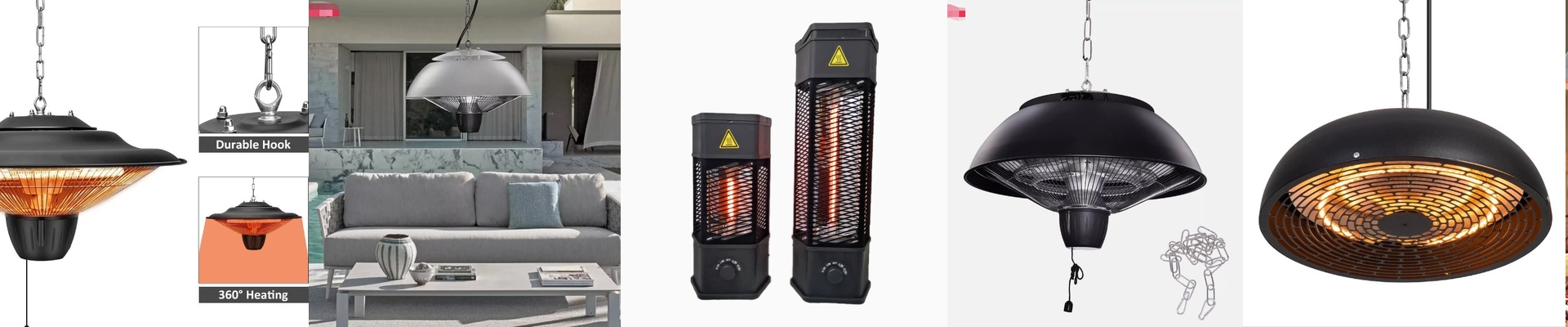
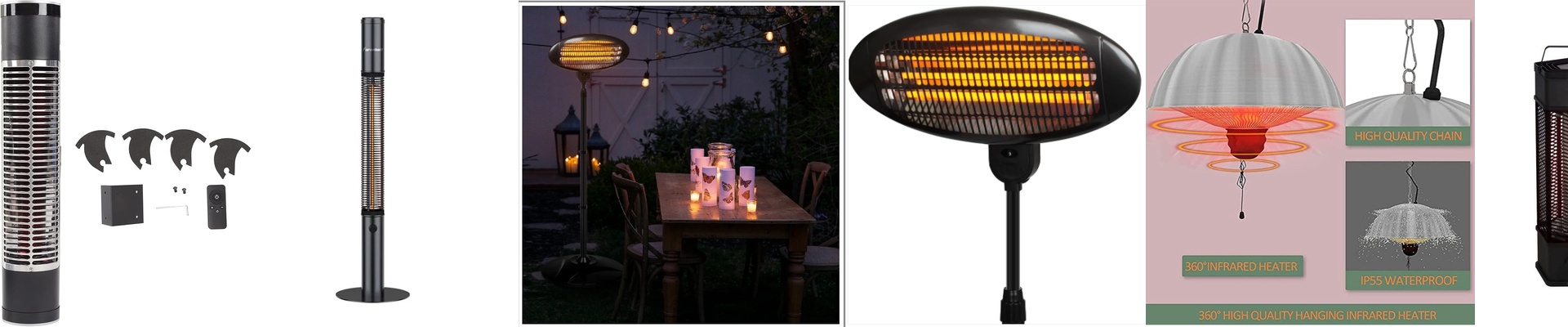
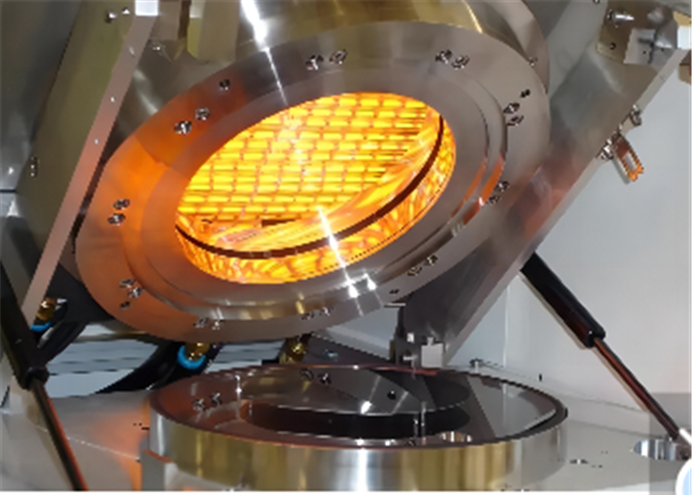
On the fab floor, the rinse step is a controlled risk. Leftover water means micro-contamination, and a weak dry cycle can force photoresist rework—or kill yield before the pattern even hits the wafer. The fast-drying wafer-after-rinse lamp was built to take that uncertainty off the table. What matters under the hood We built this around short-wave infrared (SWIR) emitters, so the drying is rapid and non-contact. Heat transfers fast without mechanical marring, and we hold thermal uniformity across the wafer to ±0.1°C. That matters when you’re protecting the photoresist thermal budget through soft bake and hard bake transitions. The hardware is cleanroom-native: Class 1–100 compatible, with zero particle generation. The output stays stable over 5,000+ hours, drifting less than 5% in intensity. And repeatability is spec’d to keep the process window consistent lot after lot, shift after shift. Why it behaves in production In the rinse-dry-bake flow, speed can’t come at the cost of cleanliness. This lamp cuts the drying window while keeping surface integrity intact, which helps tighten pitch control and push defect counts down in lithography. It’s also efficient: SWIR response is direct, so energy use drops. Uptime improves because the system is built for 24/7 operation, with maintenance intervals you can plan around. For you, that means fewer excursions, tighter critical dimension control, and cycle-time reduction you can measure. What you need to get right The lamp integrates cleanly, but alignment to the rinse module has to be exact, and the exhaust path needs verification—you want to pull trace moisture vapor away without any re-deposition. It works with standard fab interfaces, but the thermal profile must be tuned per substrate stack. Glass, silicon, and advanced packaging substrates each need their own setpoint map. Plan a short commissioning run to lock the recipe down. Then keep it locked for repeatability.