
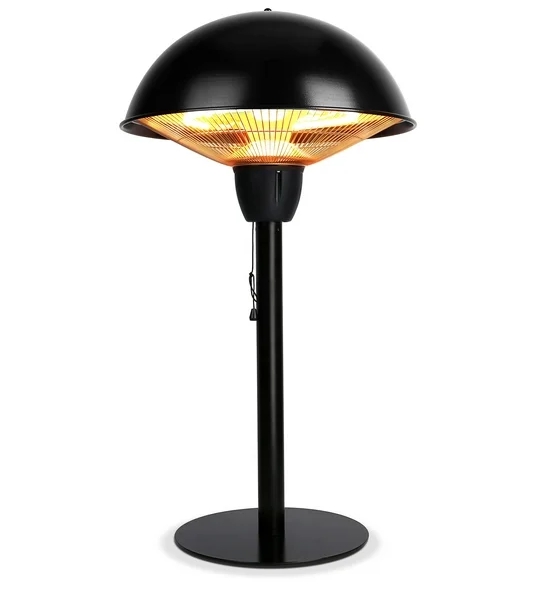
Step inside on a cold night and the room should feel welcoming the moment you cross the threshold. The trouble with a lot of heaters is they take up space and fight the vibe. You want warmth that shows up quietly, looks like it belongs, and doesn’t demand attention.
What matters under the hood
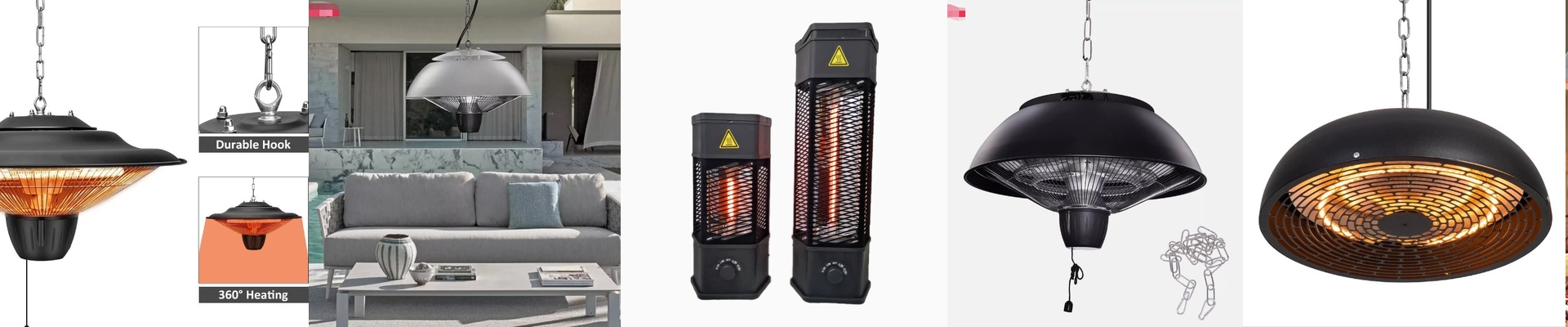
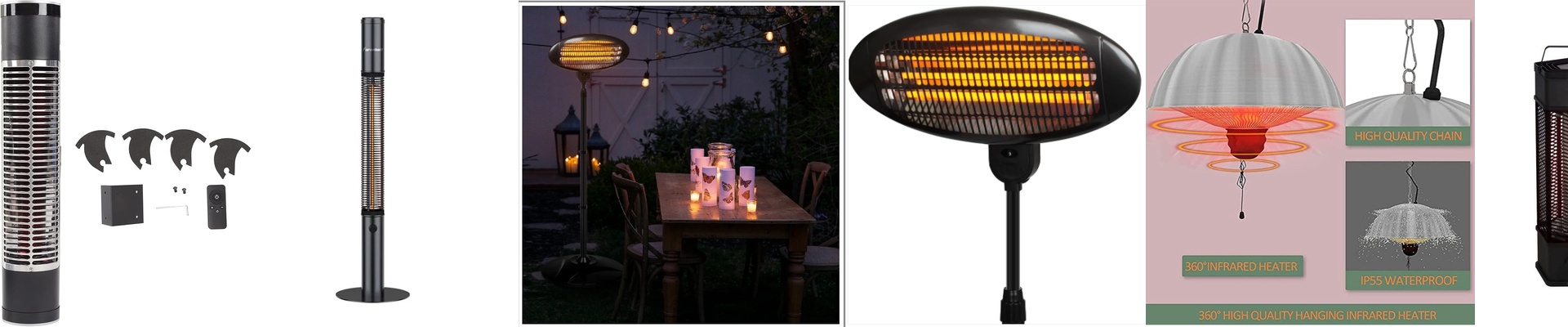
We built this infrared heater around a carbon fiber element that delivers radiant heat. It warms people and surfaces directly, instead of chasing air around the room. The payoff is immediate comfort without the stop-start swings you get with convection. It runs on standard electric power and keeps a low profile, so it sits neatly on a patio wall or tucks into a living room corner. The exterior stays cool to the touch, and the safety details are straightforward: tip-over protection cuts the unit off if it gets knocked, and overheat protection stops runaway temperatures. A built-in thermostat holds the feel steady, and the controls stay simple—one dial, one job.
Why it fits the space
Modern, light-luxury interiors lean on clean lines and materials that feel intentional. This heater’s slim shape and restrained finishes let it sit in the room without shouting. Infrared warmth also sits easier on the body—soothing stiff muscles, supporting circulation, and keeping the immediate area cozy even when the overall room temp is a touch lower. Outdoors, it turns an evening on the patio into something you can stretch across the season. No fuss, no glare, just steady comfort. Because the heat is aimed where you need it, energy use stays sensible.
Practical setup
For best results, position the heater so the warmth beam reaches the main seating area, and keep clearances clear around the unit. It’s designed for indoor and covered outdoor use—direct exposure to heavy rain isn’t the way to go. Installation is straightforward, but like any electric heater, it should plug into a properly rated outlet and be properly grounded. When in doubt, bring in a qualified electrician. Outdoor evenings move fast. One minute the sun’s still up, the next you’re throwing on another layer just to stay outside. The real frustration is the wait—waiting for the heater to wake up, waiting for your hands to feel warm, waiting for the whole patio to settle into comfort.
What matters under the hood
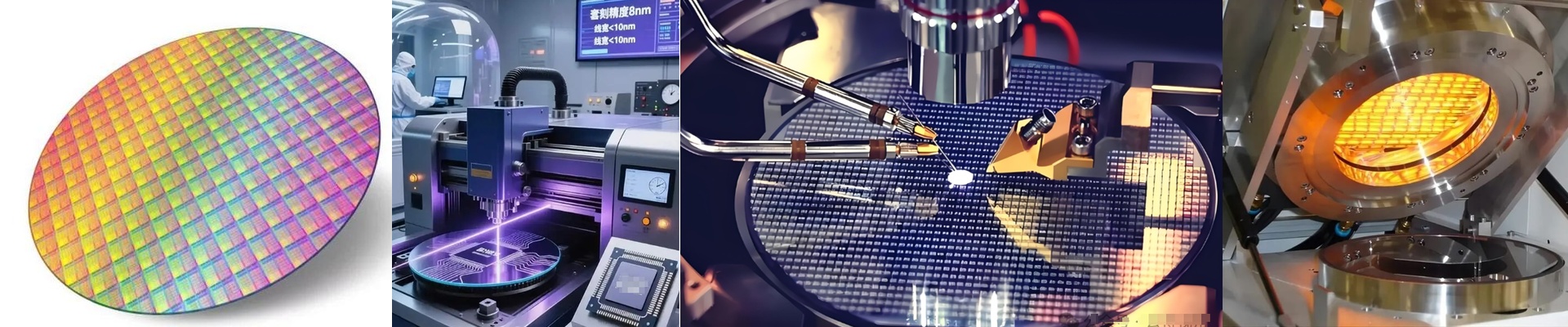
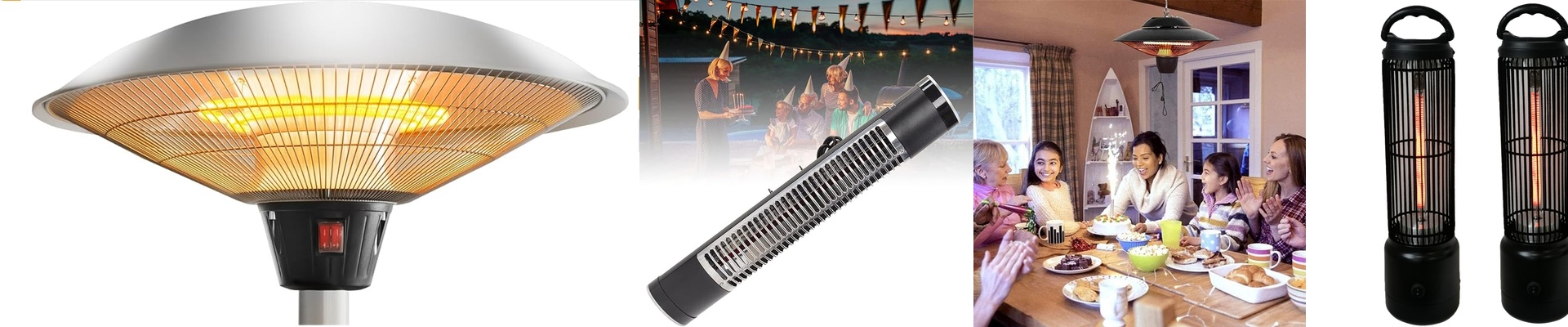
A 3-phase electric heater is built for higher power delivery with smoother current flow. In practice, that means the infrared elements come up to temperature quickly, so warmth hits almost as soon as you flip the switch. It uses radiant heat, sending warmth outward in a focused pattern that directly warms people and objects, not just the empty air between. That approach cuts down on heat loss to wind and drafts—exactly what makes outdoor heating workable. The unit is built with durable materials to handle the temperature cycle, and the safety baseline is solid: overheat cut-off, a stable base, and a thermostat that keeps the comfort level consistent.
Why it works out there
On the patio, comfort has to be immediate and dependable. With 3-phase power, the heater holds a steady temperature through longer sessions, avoiding the dips that send guests hunting for warmer spots. Infrared warmth feels natural—like standing near a wall that’s been in the sun—so conversations keep flowing without constant tweaking. Energy use stays predictable because the system isn’t trying to heat the whole atmosphere; it targets the places people actually sit. That makes it easier to stay out longer, even when the air turns sharp.
Practical setup
A 3-phase electric heater needs a compatible electrical supply and proper wiring. Installation has to match local electrical code, and the circuit must be correctly rated for the load. The heater performs best in covered outdoor areas, where it’s protected from direct rain and moisture. Keep clearances open around the unit to maintain even heat distribution and keep the surrounding area safe.