Stop Cooking Your Equipment: A Better Way to Heat Bio-Sensors
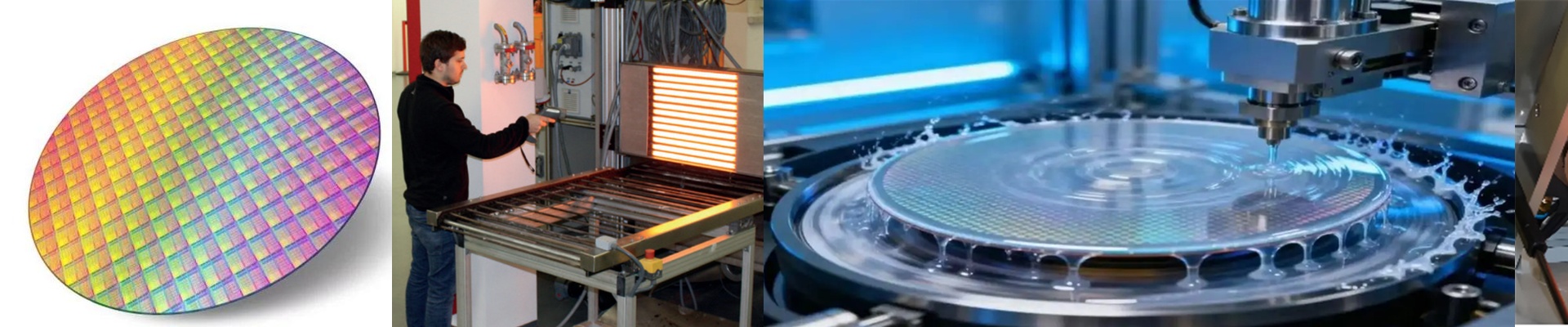
When you’re building bio-sensors, you need heat. Lots of it, and it needs to be precise. But here’s the problem: most standard IR lamps throw heat in every single direction. It’s like trying to light a candle with a bonfire. Sure, the candle gets lit, but you’re also roasting the walls of your machine. If you’ve ever touched the inner housing of a semiconductor tool and nearly burnt your hand, you know exactly what I mean. That “waste heat” isn’t just annoying—it can actually warp your equipment.
How we fix the “bleeding” heat
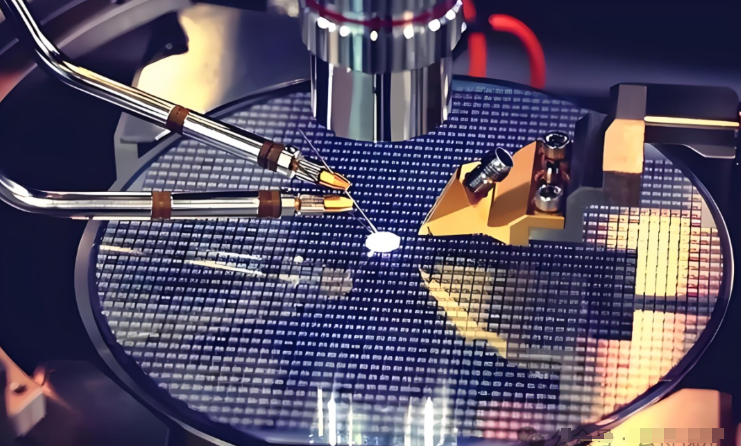
We decided to stop letting the energy wander. Instead of just using a bare quartz tube, we added reflective coatings and precision optics. Think of it like a flashlight instead of a bare lightbulb. We push the thermal energy forward, focusing the IR flux right where it belongs: on the bio-sensor wafer. Because the beam is narrow, the heat doesn’t bleed into the chamber walls. Your part hits the temperature it needs to, but the machine stays cool to the touch. It’s a much calmer way to work.
A word of caution on power
Now, these high-density lamps pack a punch. They put out a massive amount of energy in a tiny space. But there’s a catch. Since you’re concentrating all that power into a tight beam, the heat load on your substrate goes way up. You can’t just “set it and forget it.” You’ll want to keep a close eye on your PID controllers. If you aren’t careful and you overshoot your target temperature, you’ll fry the organic layers of your sensor in a heartbeat.
What this actually means for your shop floor
The best part? You don’t have to spend a fortune over-engineering some massive cooling system for your chamber. Everything just runs faster. Why? Because the energy is actually going into the product, not heating up the air in the room. For most setups, this is a simple drop-in replacement. Just one thing:**get your alignment right.**If your reflectors are off by even a few degrees, you’ll end up with hot spots on your wafer and heat leaking back into the frame. Take the extra five minutes to line it up, and you’re golden.