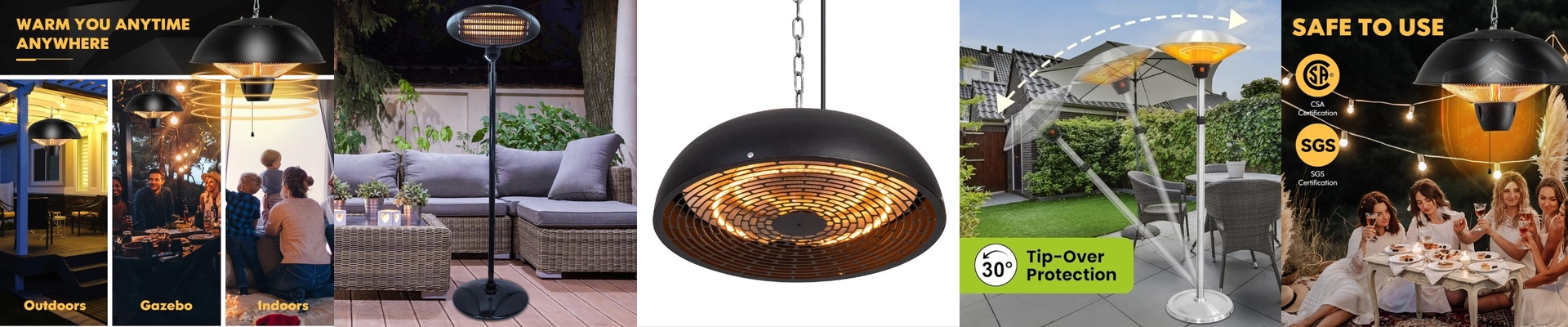

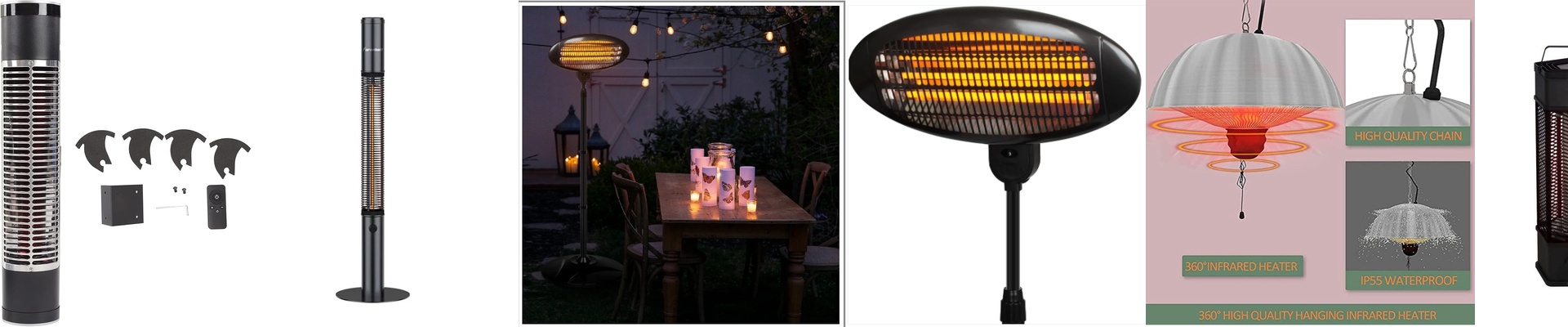
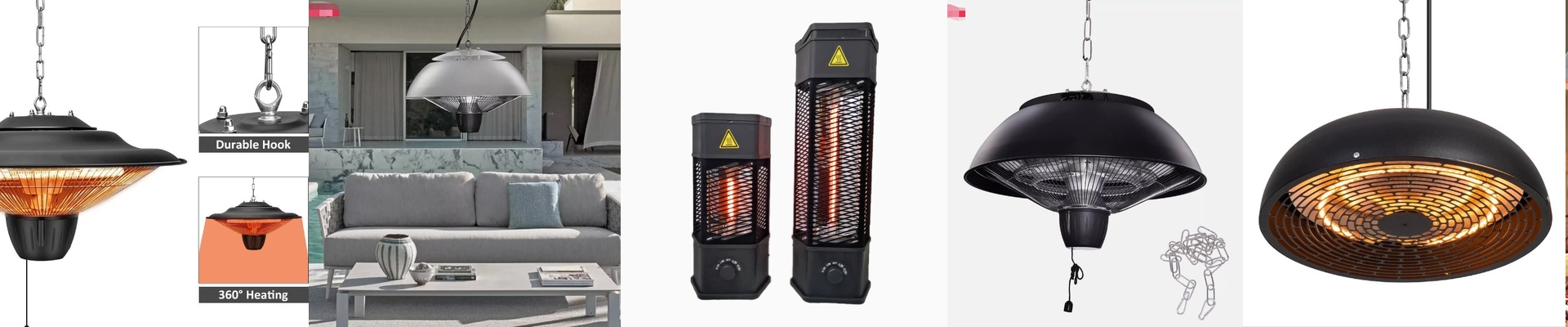
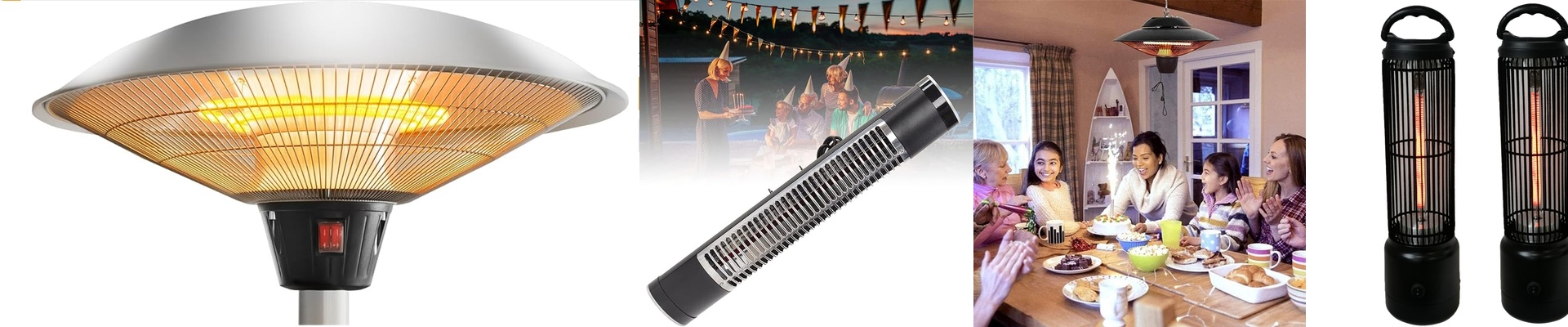
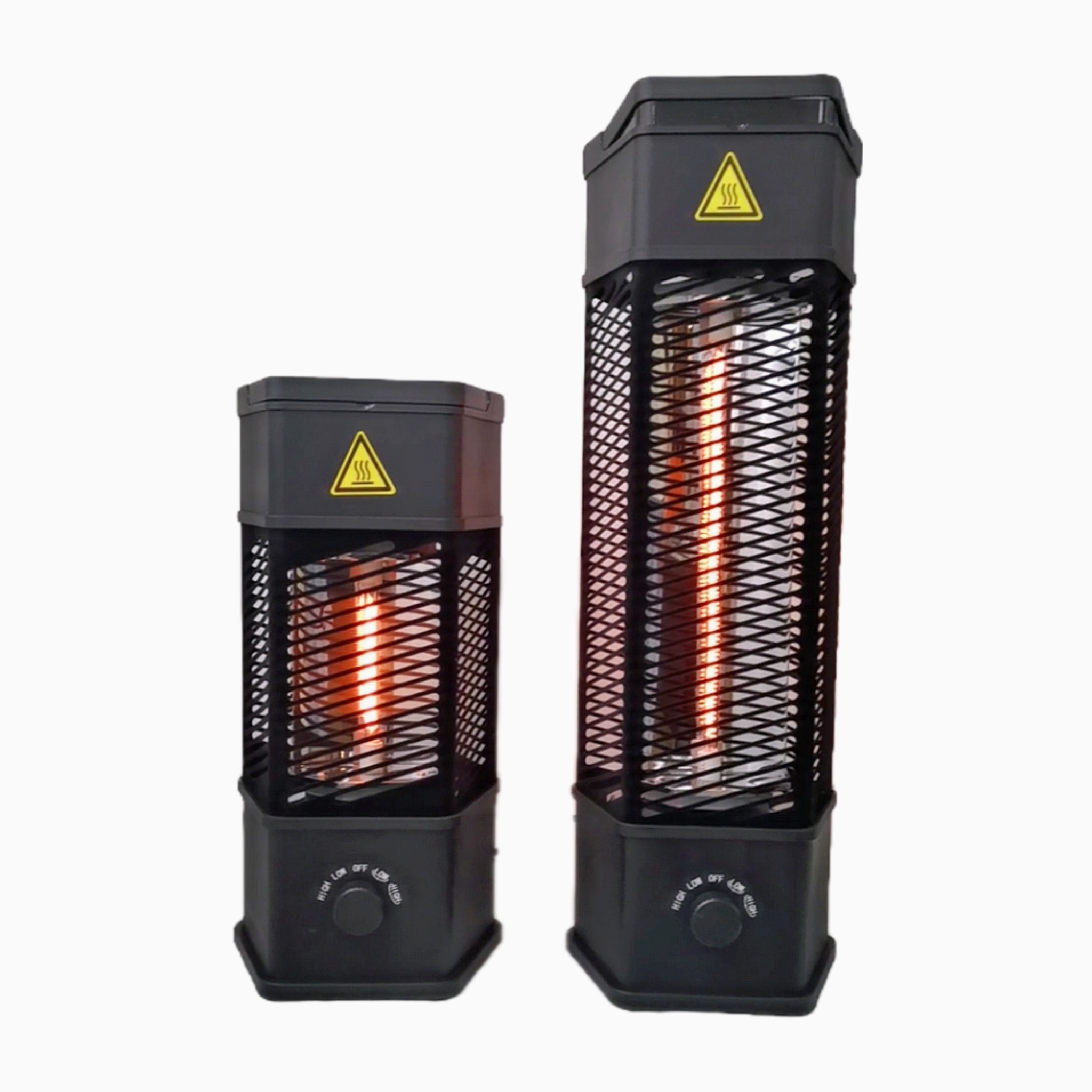
Winter evenings at home shouldn’t turn into a tug-of-war between comfort, cost, and dry air. You settle in, and the room feels colder than it should. Traditional heaters cycle on and off, pushing hot air that rises and fades, while your skin and sinuses get that tight, parched feeling. So we built our infrared space heater around one clear goal: deliver immediate, gentle warmth where you feel it most—without wasting power or churning the air.
What matters, technically
This unit leans on targeted infrared warmth in a wavelength that penetrates and warms people and objects directly, instead of heating the ceiling first. The carbon fiber element comes up to temperature fast and lays down a steady radiant field, so you feel comfort within seconds of switching on. The built-in Eco mode keeps energy use in check by adjusting output and cycling based on room temperature, so you can hold comfort without running full-power all the time. You still get real control: an adjustable thermostat, multiple heat settings, and tip-over protection for peace of mind. And it stays quiet because there’s no fan—just the soft presence of heat.
Why it works in practice
In modern homes, comfort is about how heat feels on your body, not just what the thermostat says. Targeted infrared warmth supports that feeling by warming you from the inside out, promoting better circulation and easing tense shoulders after a long day. Because it doesn’t blow air around, you avoid the drafty, drying effect that makes winter nights feel harsh. Eco mode keeps the heater responsive, dialing output down when the room holds its temperature, which helps stabilize energy use while keeping things consistently cozy. The upshot is calmer, healthier warmth—one that makes evenings feel like a relief, not a compromise.
Things to know
Radiant heat works best when it has a clear line to the people in the room, so placement matters. Keep the heater unobstructed by furniture and at a safe distance from curtains or bedding. It’s designed for indoor use in dry living spaces; for bathrooms or covered outdoor areas, check the IP rating and follow the location guidance. Eco mode performs best in well-insulated rooms where temperature swings are smaller. In drafty spaces, you may want to start with a higher setting until the room stabilizes, then let Eco mode take over.