
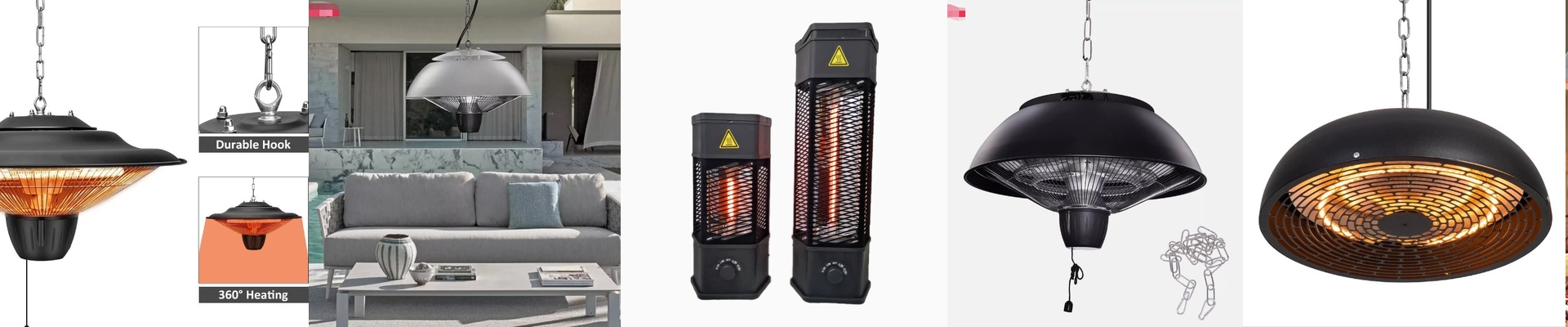
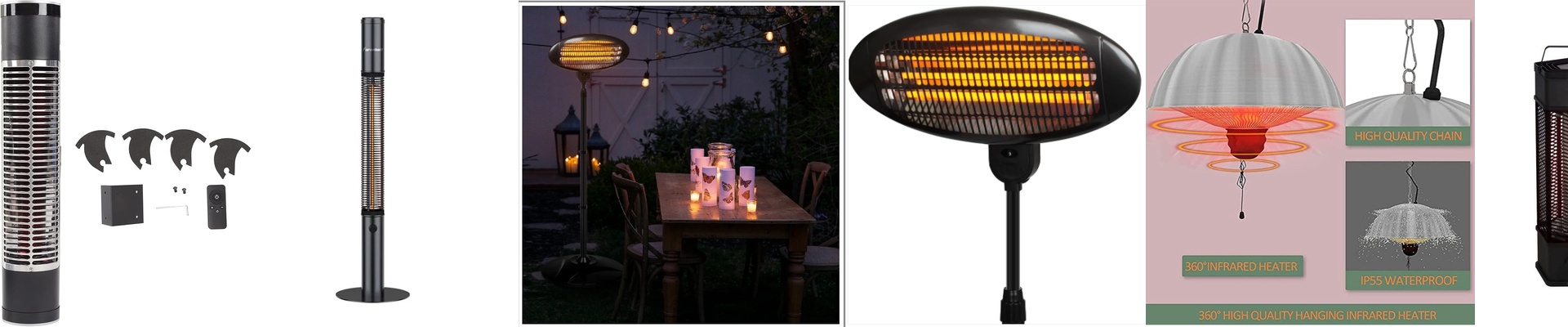
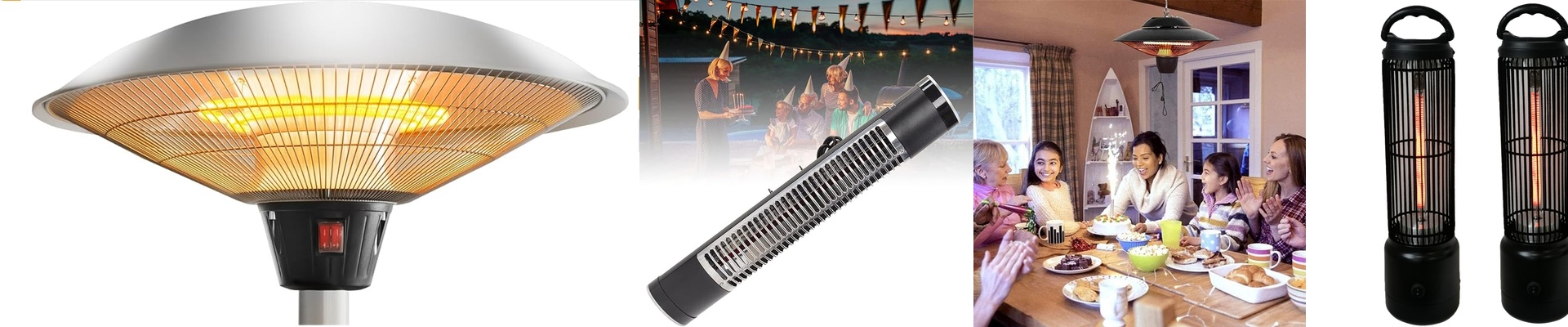
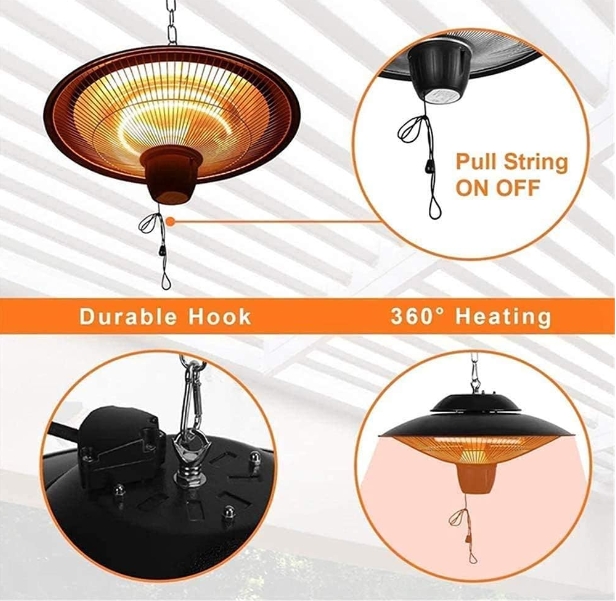
Glass-walled attic sunrooms are a great sell—light, air, and open. But as soon as the sun drops, they turn on you. Warm air rises, bleeds out through the glazing, and the floor goes cold. You feel the draft before you even feel the temperature. Infrared electric heaters flip that dynamic. They put warmth where you are—on people and surfaces—not up near the roof.
What matters, technically
We design these wholesale electric heaters around radiant heat, not convection. A carbon fiber or quartz element throws infrared warmth in a straight line, heating people and objects directly. The difference is how fast comfort shows up. Size the unit for the room—typically 1500–2000W for most sunrooms—and spec in a built-in thermostat for steady temperature control. Many models include tip-over protection for safety, and an IP rating that makes them suitable for sheltered outdoor use and indoor spots near moisture.
Why this works in an attic sunroom
Glass is the weak point. Infrared bypasses the air and warms the floor, furniture, and your skin, so you aren’t losing heat the moment a breeze finds a seam. What you get is a stable comfort zone instead of chasing air temperature that rises and falls. The payoff is immediate: fewer drafts, more consistent warmth, and a space that stays usable from morning to evening. For wholesale buyers, that reliability means fewer callbacks and customers who actually use the room.
The details that make the difference
Placement matters. Mount the heater so the beam sweeps across the seating area and reaches the floor, not straight overhead. Keep clearance to combustibles and furnishings per the manual. Because infrared heats surfaces first, objects in the beam warm faster than the air. A gentle ceiling fan helps even out the feel. Plan the circuit properly—this is a high-wattage load—and hardwiring is usually the cleanest, most secure way to install.