
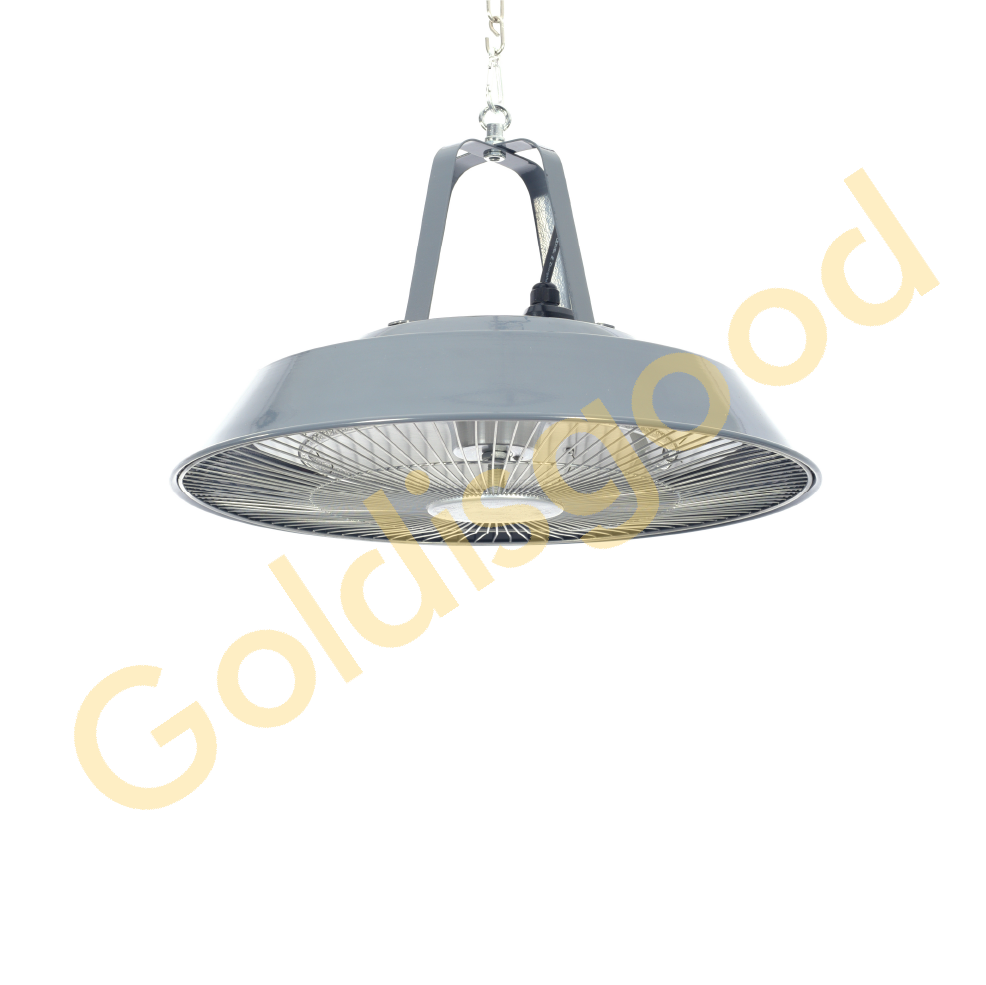
Custom Logo Electric Heaters: Built for Engineers Who Need Heat That Just Works
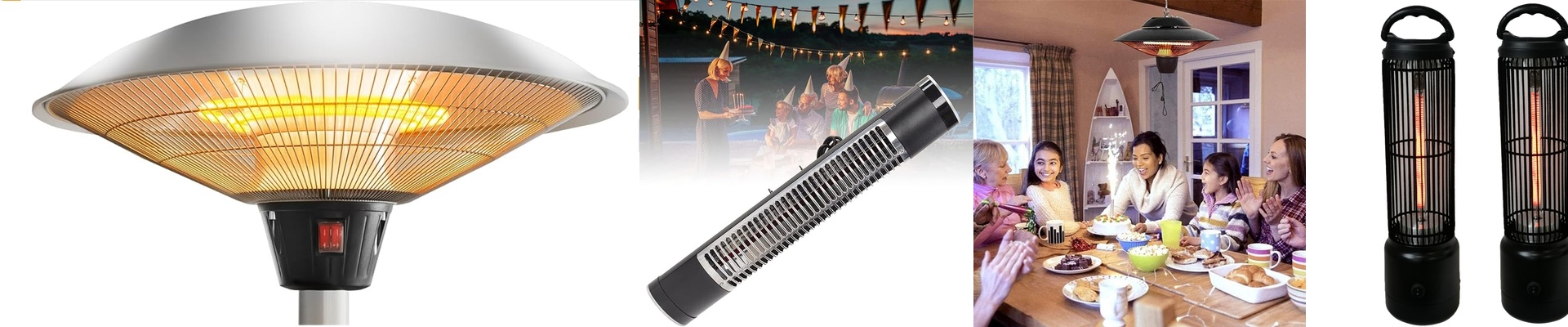
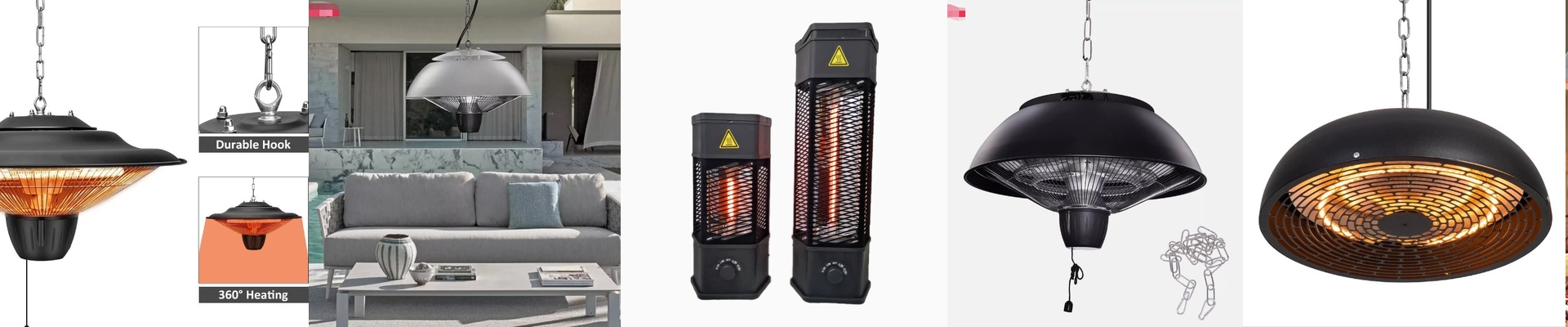
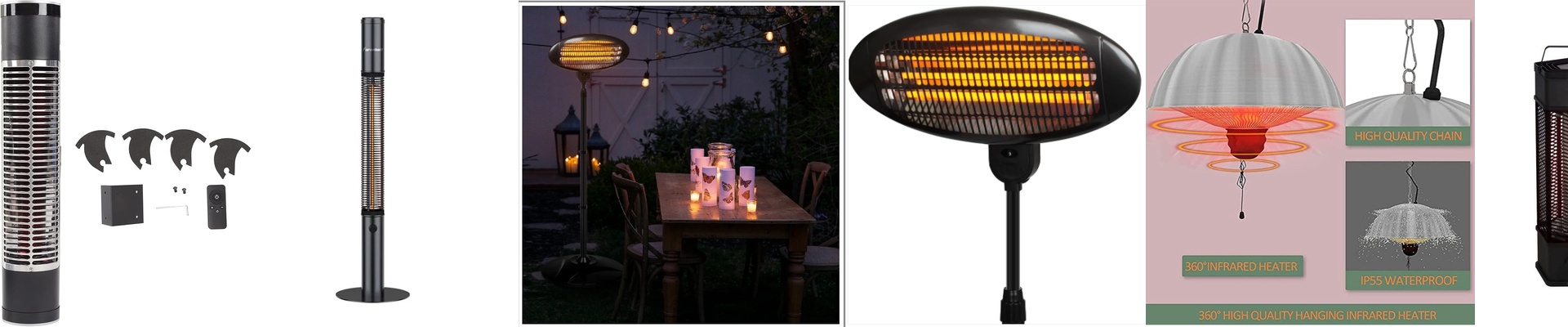
We make custom logo electric heaters for the folks who need heat they can count on—predictable, steady, and exactly where you need it. These aren’t off-the-shelf heat lamps. They’re engineered pieces, built to slide into your line and carry your brand, without ever making you choose between looks and performance.
The Details That Matter: Power, Voltage, and Size
Here’s the thing: in a plant, the details are everything. So we build these heaters around your actual constraints, not some one-size-fits-all idea. We match the voltage to what your plant already runs—usually 220V or 400V—so you can wire it in without hunting down extra transformers. Wattage is picked to hit the exact heat density your process needs, typically between 1000W and 2500W. And the tube length? It’s set to match the heated zone, often 300mm to 600mm, so the temperature stays even across the whole area. More power in a shorter space means faster warm-up, sure. But it also means the parts around it need to be ready for the heat. That’s why we design with the whole system in mind.
Built to Last: Materials That Handle the Grind
We use halogen-filled quartz tubes because they stay hot and steady, even as the element ages. That stability? It’s the kind you notice when your process keeps running smoothly, day after day. A reflective coating on the tube pushes infrared energy forward, so less heat bleeds off into the chassis. It’s a small touch, but it keeps things cleaner and more efficient. Then there’s the connector choice. We go with R7s and Sk15 ends because they’re practical: secure, high-current contacts that install fast and don’t quit when the shop floor is shaking. And your logo? We apply it using a high-temperature process that holds up under operation, so it stays crisp and clean—no fading, no discoloration.
Made for Real Work on the Factory Floor
These heaters are built for industrial duty. Think plastic heating zones, component drying, and localized process heating—places where heat has to be precise and reliable. When voltage, wattage, and directional coating are all matched to your needs, you get temperature control you can repeat, shift after shift. The connectors save time on install and cut down on field failures. That means less downtime, less head-scratching, and more uptime. But there is one trade-off: that high heat density means you need proper airflow or shielding around the heater to keep nearby sensors and wiring safe. We’ll help you plan for that, so you get the performance without the side effects.