
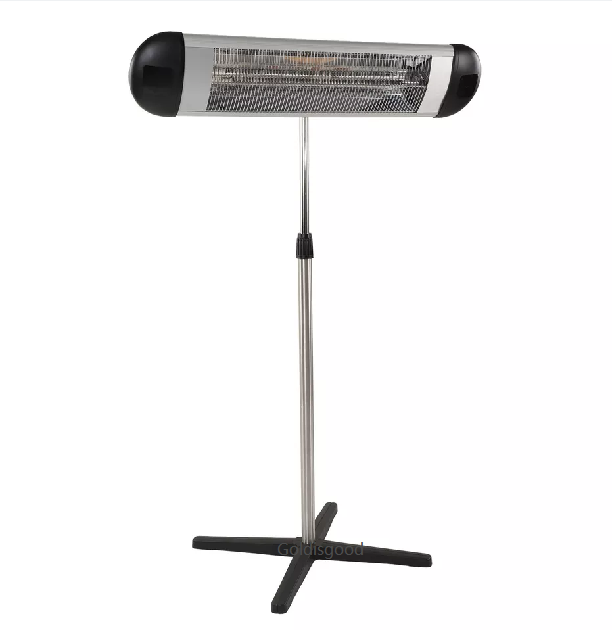
Industrial Warehouse Heater: Halogen Lamps That Actually Get the Job Done
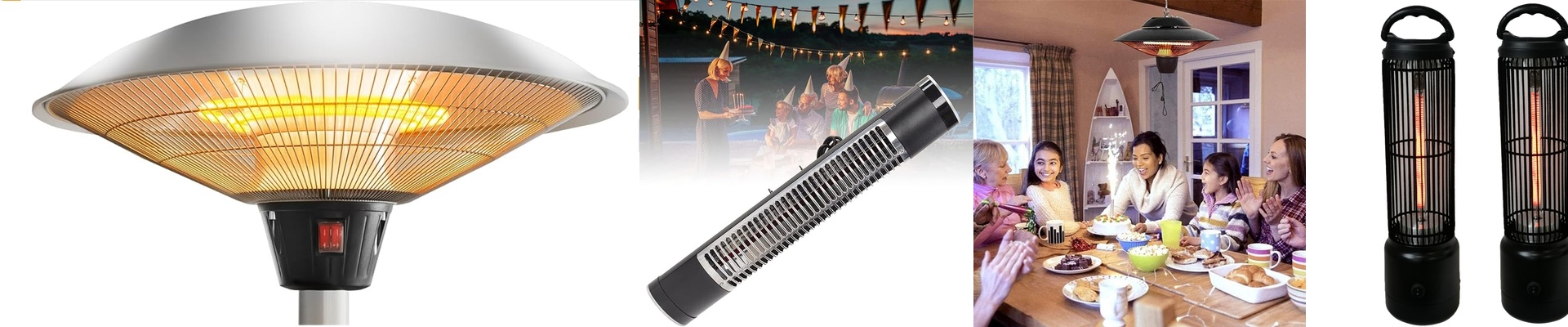
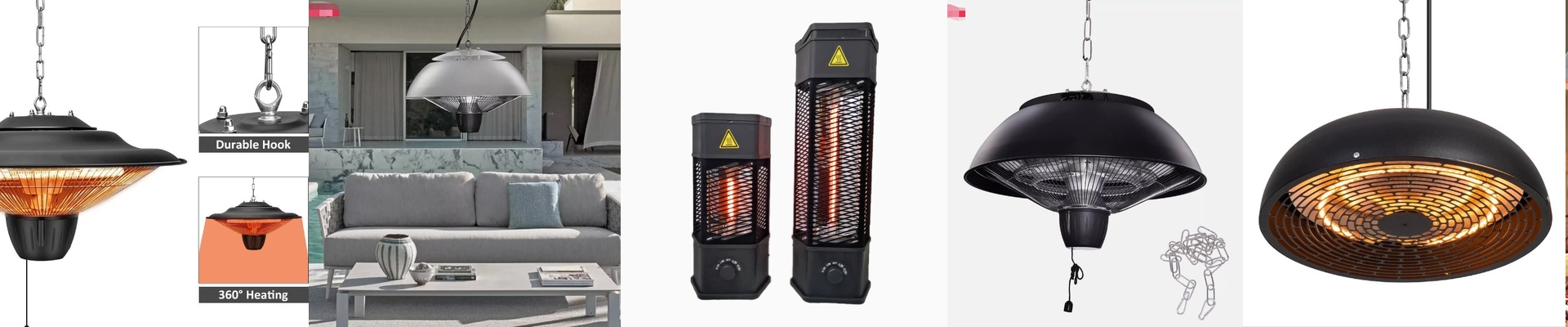
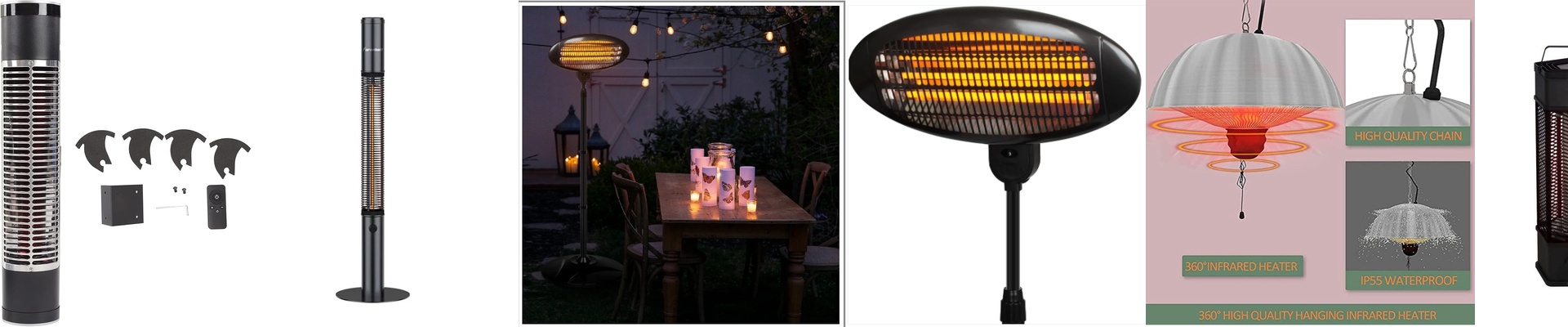
Here’s the deal with these warehouse heaters. They’re built as direct-radiant infrared halogen lamps, and they’re all about spot heating. Think big bays, docks—places where you need heat, right now, in one specific spot. The whole point? To blast thermal energy exactly where you need it, fast. You get the warmth without having to heat up the entire massive space. It’s targeted comfort, pure and simple.
The Power Behind the Heat
These lamps run on either 230V or 400V, and they can crank out up to 2500W. That’s a serious amount of heat packed into a small footprint. The 300mm tube length helps focus that radiation, so you’re not wasting energy—just heating the area you want. Going with the higher voltage is a smart move. It drops the line current, which means you can run longer cables with thinner wires and not worry about voltage drop. But just a heads-up: make sure your supply and control gear are all matched to that 400V rating. If they’re not, you’re just asking for trouble—unstable performance and a lamp that burns out way too soon.
Built to Last, Built to Work
What makes these lamps stand up to the grind? It starts with the halogen cycle. It keeps the quartz envelope clean, even when the filament is running hot. That means the output stays strong, and the lamp lasts way longer than a standard incandescent. The quartz body itself is tough. It handles sudden temperature changes and shrugs off the vibrations of industrial equipment. Then there’s the R7s connector. It’s a recessed, two-pin design that makes a solid connection and handles the current without needing extra hardware. It snaps in fast, locks in place, and cuts down on the risk of hot spots at the terminals.
Where It Shines (Literally)
In a warehouse, these lamps are perfect for warming up loading zones, workstations, and equipment bays. The heat-up is almost instant. You can direct the heat exactly where you want it. And because they’re so simple, maintenance downtime is barely a blip. Just remember, you’re working with concentrated radiant heat. So plan for enough clearance, and make sure the fixture housing can handle the heat it’s putting out. It’s a tough, straightforward solution for keeping your operation humming, even when the temperature drops. No fuss, just dependable warmth where you need it most.