


Why You Should Ditch Those Old Bathroom Lamp Heaters for Waterproof Infrared
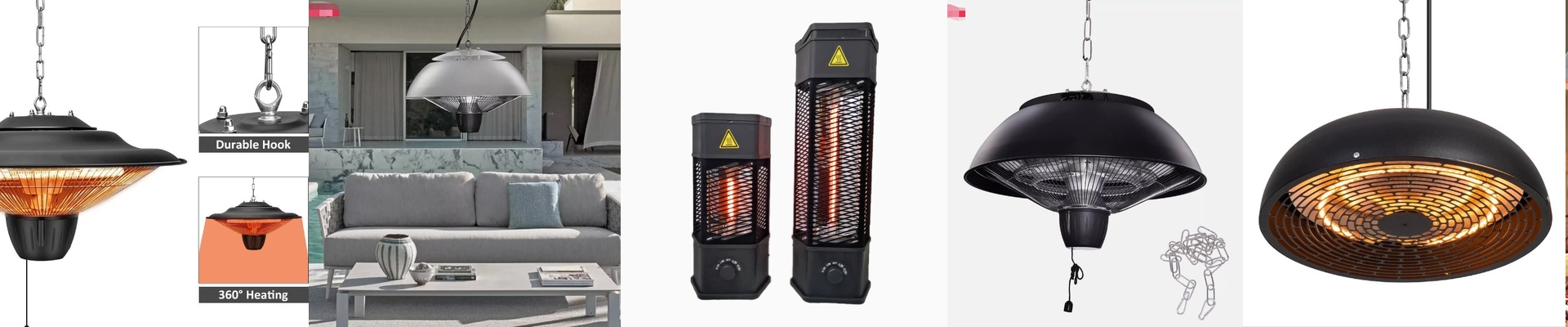
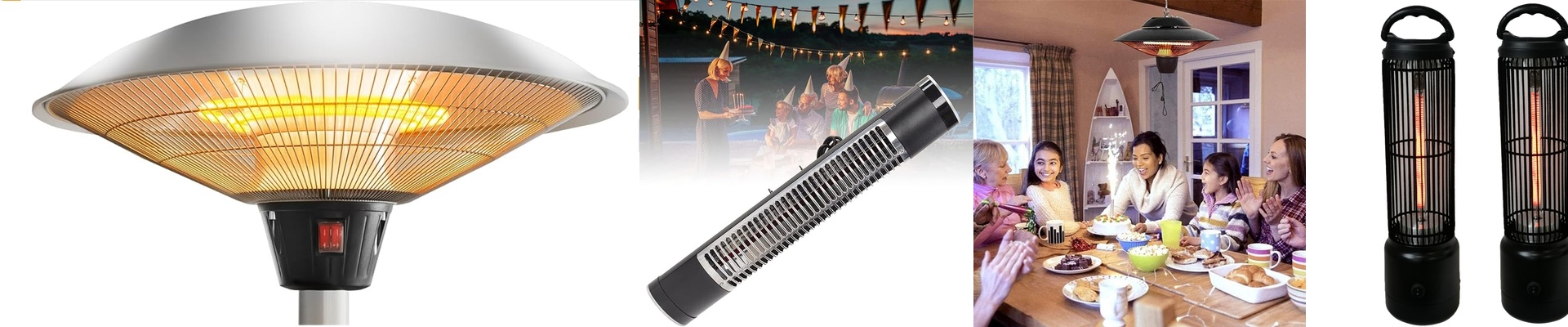
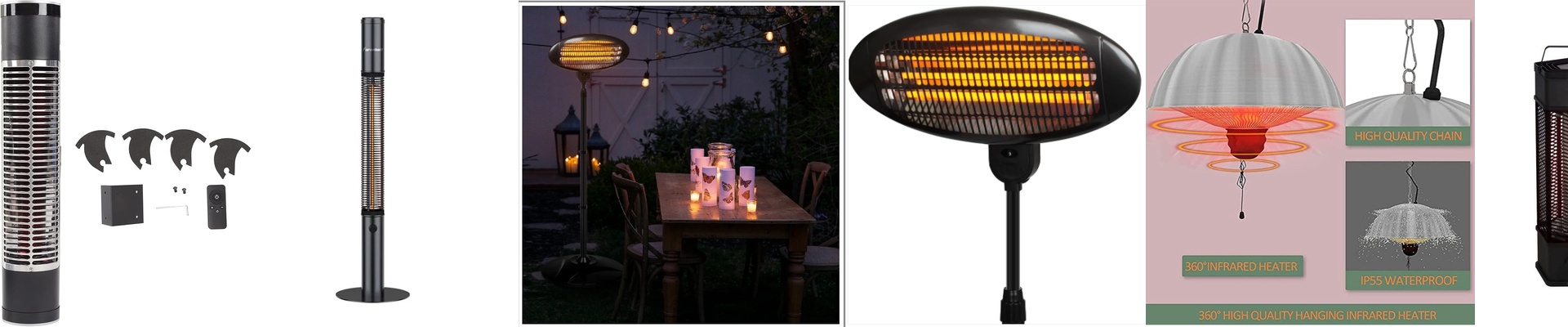
Let’s be honest: those old-school halogen lamp heaters in bathrooms are kind of a letdown. They try their best to warm up the air, but the second you step out of a steamy shower, that warmth just vanishes. That’s why more people are switching to waterproof infrared heaters. They don’t just fight the humidity—they actually thrive in it. The problem with “leaky” heaters Here is the thing about standard heaters: they aren’t really built for steam. Most of them have housings that let moisture sneak inside. Over time, that steam eats away at the electrical contacts, and before you know it, the whole thing burns out. It’s a headache you don’t need. Waterproof infrared units are different. They use sealed gaskets and special coatings to keep the water out. It means the electrical guts stay dry and happy, so you aren’t climbing a ladder every six months to replace a dead unit. Warmth you can actually feel There’s a big difference in how these things actually work. Halogen lamps try to heat the air around them. But if your bathroom is drafty? That heat just floats away. Infrared is a different beast. It sends out waves that hit your skin and the surfaces around you directly. It feels like stepping into a patch of sunlight. You get that “ahhh” feeling instantly, without having to wait for the entire room to warm up. Plus, because it’s so efficient, you can usually run them on lower power and still feel plenty toasted. A few things to keep in mind If you’re planning to put one of these in your ceiling, don’t just wing it. You’ll want a dedicated circuit so you don’t keep tripping your breakers every time you want a warm bathroom. One heads-up: because these units are so tightly sealed to keep water out, they aren’t really “repairable.” If a heating element dies inside a fully potted housing, you can’t just swap a bulb—you’ll likely need to replace the whole unit. Also, give the heater some breathing room. Infrared needs space to project its heat. If you cram it too close to a bulkhead or a low ceiling, you might actually overheat your ceiling materials. And for heaven’s sake, use a GFCI outlet. Safety first when you’re mixing electricity and water.