Stop Losing Money to the Winter Chill
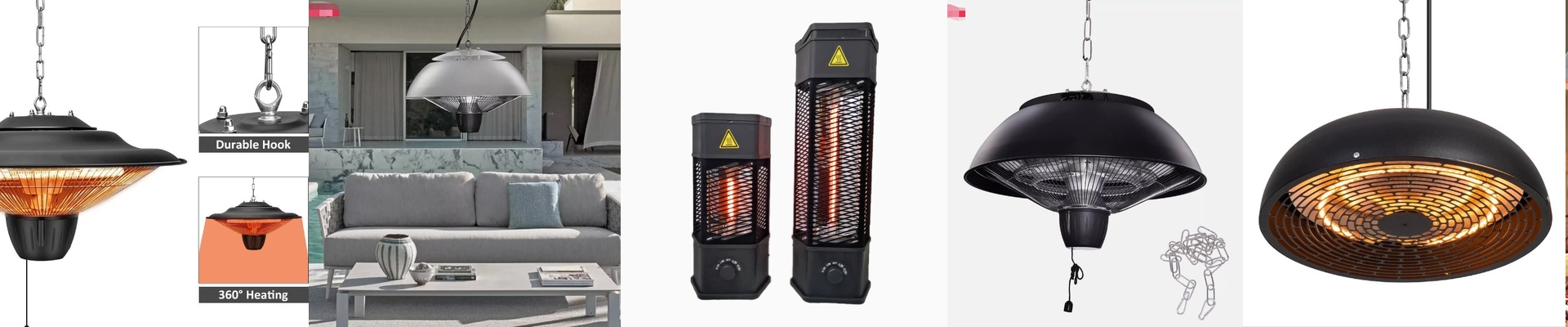
It’s a frustrating cycle. The weather dips, a breeze kicks up, and suddenly your outdoor patio is a ghost town. Most restaurants try to fight this with those standard convection heaters, but here’s the problem: they just warm the air. And in a windstorm, that warm air is gone in seconds. We do things differently. We use short-wave infrared. Instead of trying to heat the wind, these heaters beam energy straight to your guests and their chairs. It feels like sitting in the sun on a spring day. The wind can howl all it wants, but your customers stay warm because the heat is hitting them directly.
Making the Math Work for Your Bottom Line
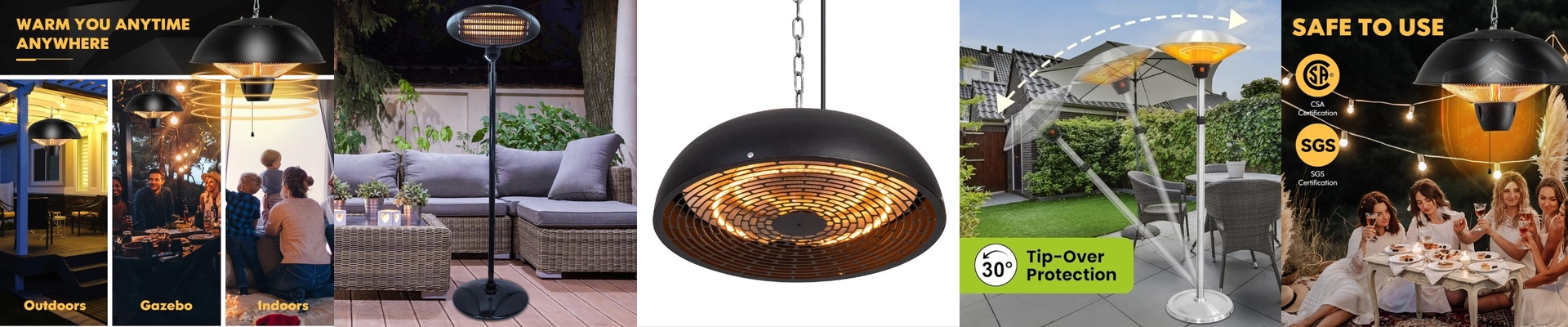
Let’s be honest: if your guests are shivering, they’re leaving. They’ll finish their main course and bolt. But if they’re cozy? They stay for that second glass of wine or the chocolate cake. To make this happen, you need a bit of strategy with your layout. We usually set up high-wattage arrays to create “warm zones.” A good rule of thumb is a 2000W unit every few meters. It keeps the skin temperature steady, meaning your patio stays full while the place across the street is forcing everyone inside. It’s simple. Warm people stay longer. Longer stays mean more sales.
Gear That Actually Lasts Outdoors
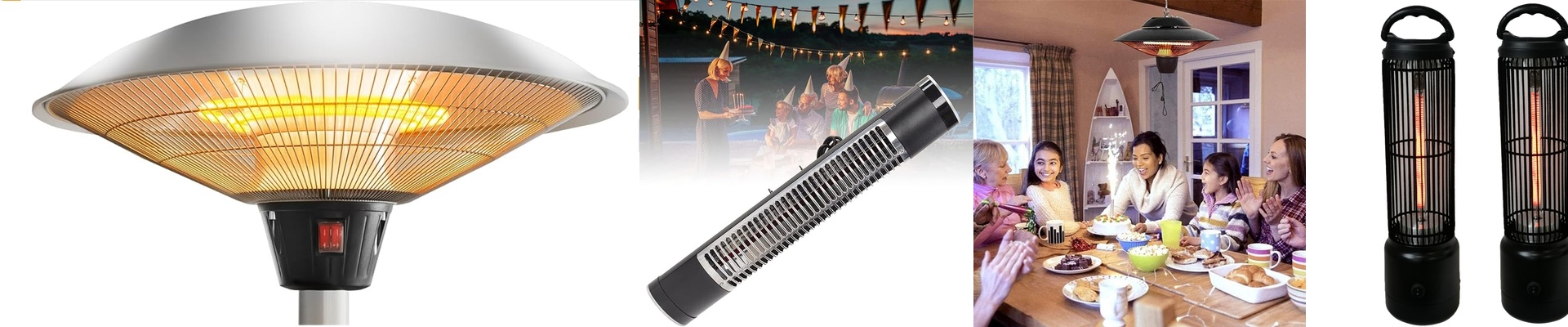
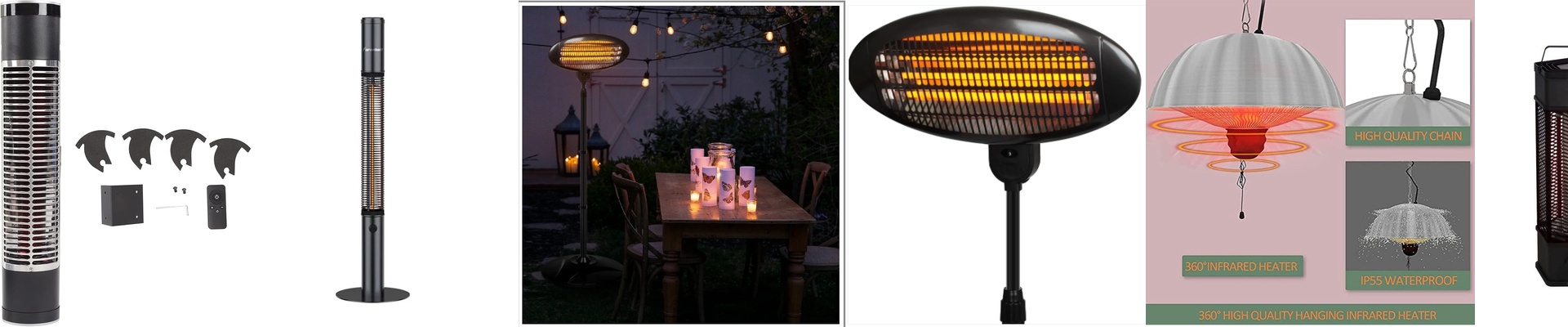
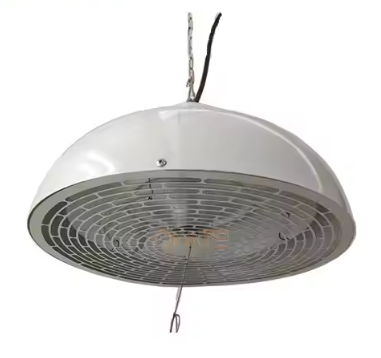
Rain, humidity, and salt air are brutal on electronics. If you try to use an indoor heater outside, it’ll probably fry itself within a month. That’s why we use IP-rated waterproof housings and seal the heating elements in quartz glass. It keeps the moisture out and stops the parts from rusting away. Pro tip: mount these on your overhead beams or poles. It keeps the floor clear for your servers to move quickly, and it stops guests from accidentally touching a hot element.
The Power Struggle
Here is the one catch: these systems pull a lot of juice. If you just plug ten 2500W heaters into one circuit, you’re going to trip your breaker and leave everyone in the dark. You have to look at your electrical panel first. Sometimes we set up staggered timers. That way, the whole system doesn’t kick in at once and cause a massive power spike. It’s a small detail, but it’s the difference between a cozy evening and a blown fuse.