
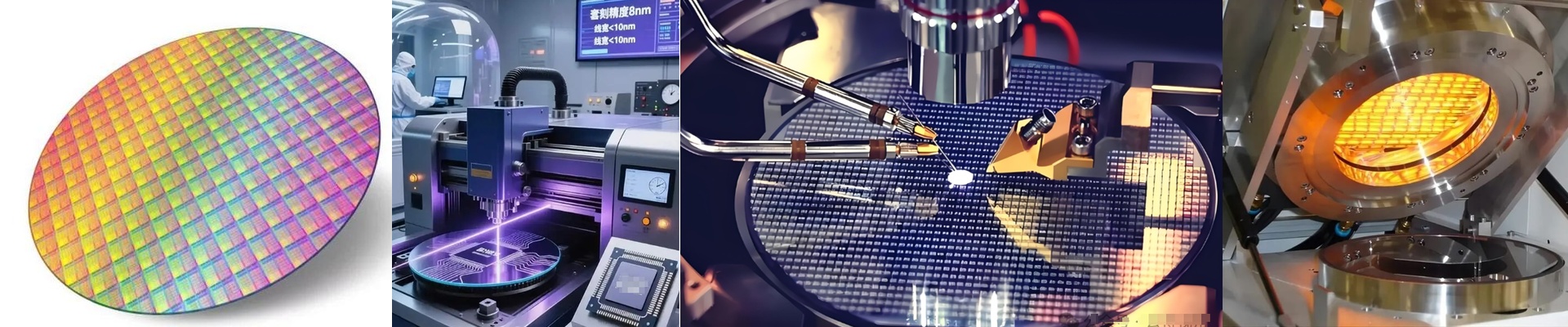
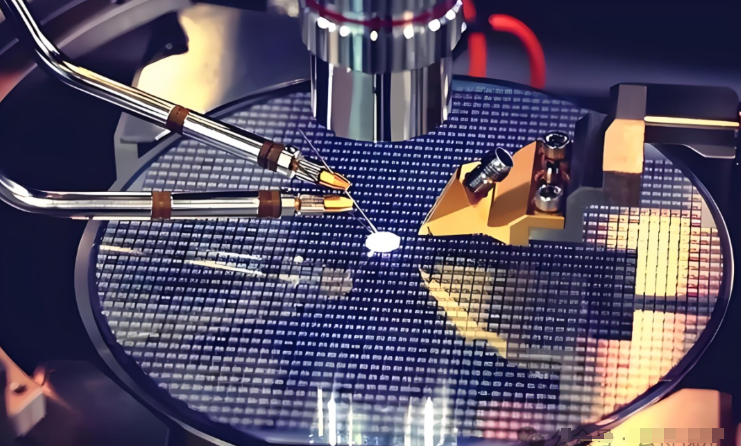
On the litho floor, a half-degree of drift during soft bake is enough to shift CD bias and burn through a lot of good wafers. We built our wafer heating lamps to kill that drift where it starts—thermal control that holds setpoint without guesswork. What matters under the hood We run short-wave infrared (SWIR) halogen lamps in a quartz envelope. Ramp is fast, and steady state stays steady. Wafer-level uniformity holds within ±0.1°C across the illuminated zone, so the photoresist temperature follows the recipe, not the tool. The system is cleanroom-compatible from Class 1 to Class 100, with fixtures and materials chosen to keep particle generation as close to zero as you can get. You keep output repeatability even during 24/7 operation, and life data shows stable spectral output past 5,000+ hours. Why it behaves in production In soft bake and hard bake, the lamp locks down the thermal budget that governs solvent removal, glass transition, and etch selectivity. That shows up as tighter CD control, lower defect density, and fewer rework lots. Fast thermal response and efficient SWIR coupling cut energy use, and uptime improves because the lamp runs long cycles with predictable maintenance windows. The practical details You get the best uniformity when the optical path is aligned to the wafer plane and the reflector geometry matches the process window. Expect a short burn-in and warm-up to settle the thermal loops before you qualify the bake profile. Plan for tool-side power and interlock compatibility—we provide wiring guidance to match what’s already on your platforms.