
Technical Deep-Dive: Power, Voltage, and Dimensions
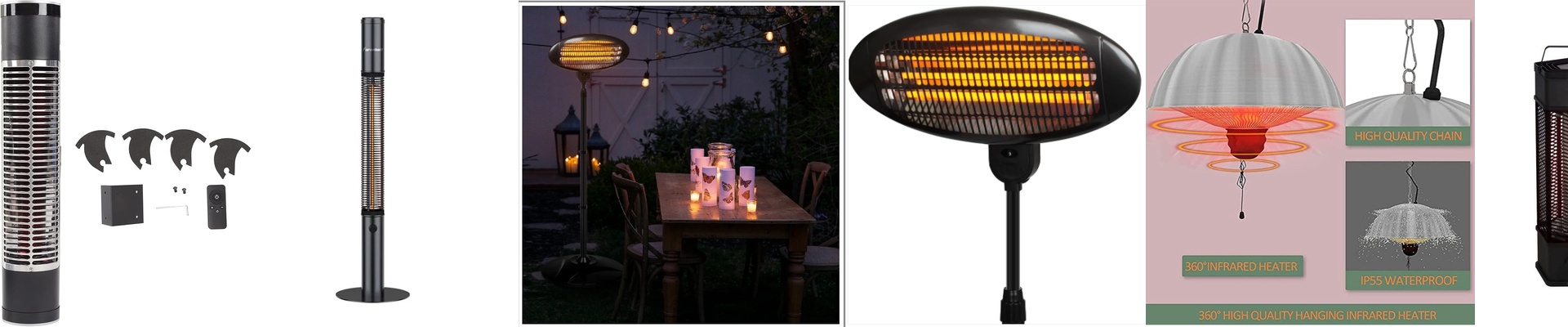
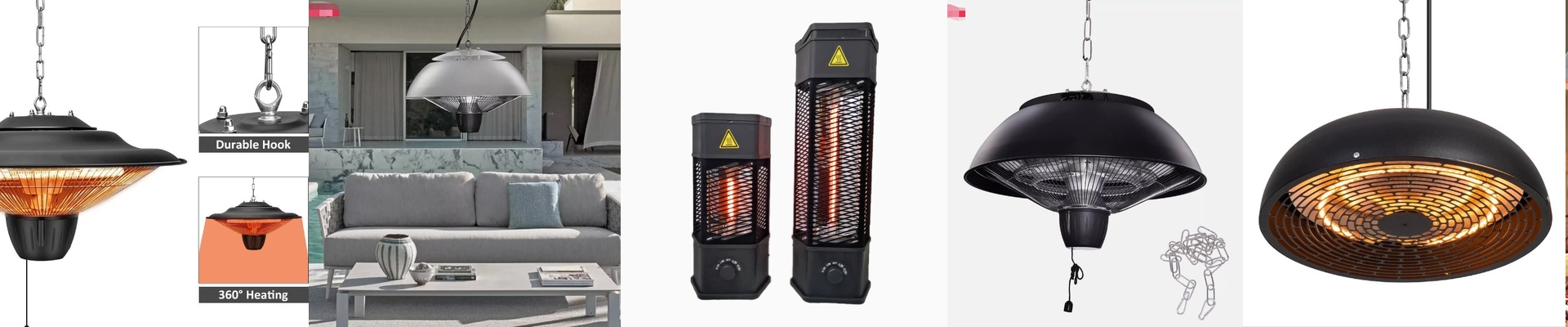
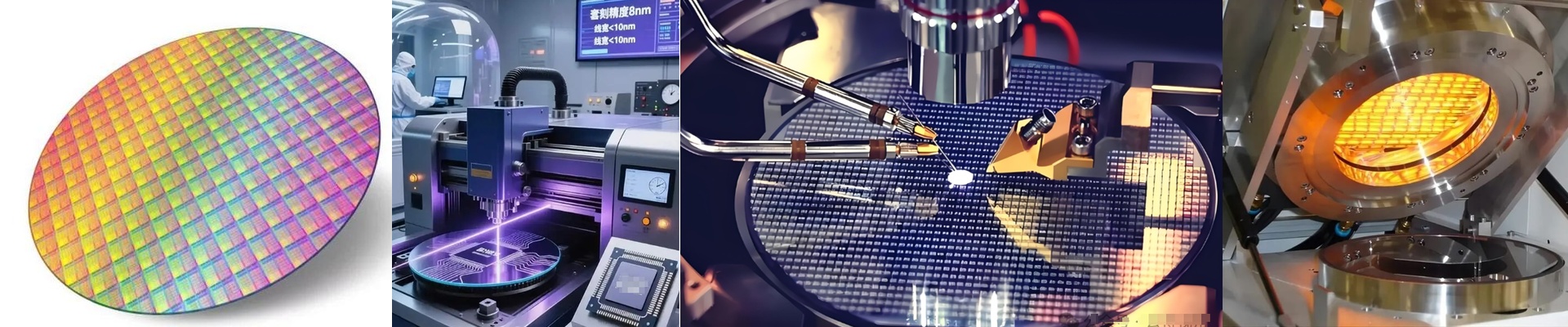
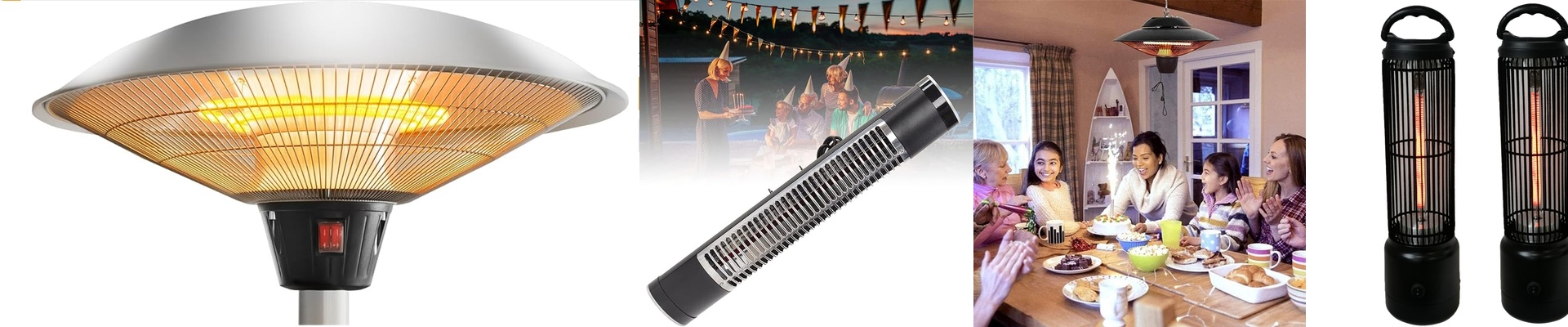
Let’s talk about what makes these space heaters actually work. We built them around high-output halogen quartz tubes—the kind that get straight to the point. We went with a 400V rating because, honestly, 230V just can’t push the current needed without turning your cables into oversized garden hoses. At 2500W, you get serious heat density, but in a package that doesn’t take over the room. And the 300mm length? That keeps the heat focused. You’re not warming the whole machine frame—just the spot that needs it. Precision, without the fuss.
Material & Design: Halogen, Coating, and Connectors
Here’s the magic: the halogen cycle keeps the quartz envelope clear and holds the filament temperature steady. That means the output stays consistent for thousands of hours. No annoying drop-off over time. Quartz is tough. It handles rapid heating and cooling without cracking under pressure. And the R7s connector? It’s a straight, solid fit. Plug it in and it just works—no adapters, no fiddling with springy contacts. Plus, the coating shields the tube from chemical wear and keeps it running clean. Less maintenance, more uptime.
Application & Benefits: Efficiency and Installation
In industrial heating, that 2500W density gives you fast warm-up and tight temperature control. You feel it the moment you turn it on. The 400V, 300mm, R7s combo makes wiring simpler and cuts voltage drop across long runs. It’s just easier to set up and more reliable once it’s running. But here’s the thing: that kind of power density needs proper machine cooling. If airflow in the enclosure is too small, heat builds up and can shorten component life. Keep the air moving, and everything runs happier.