
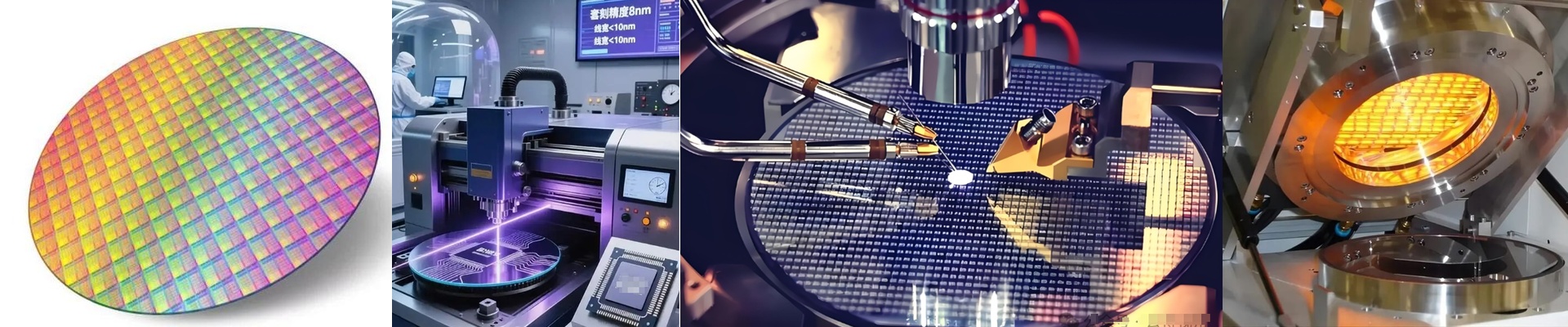
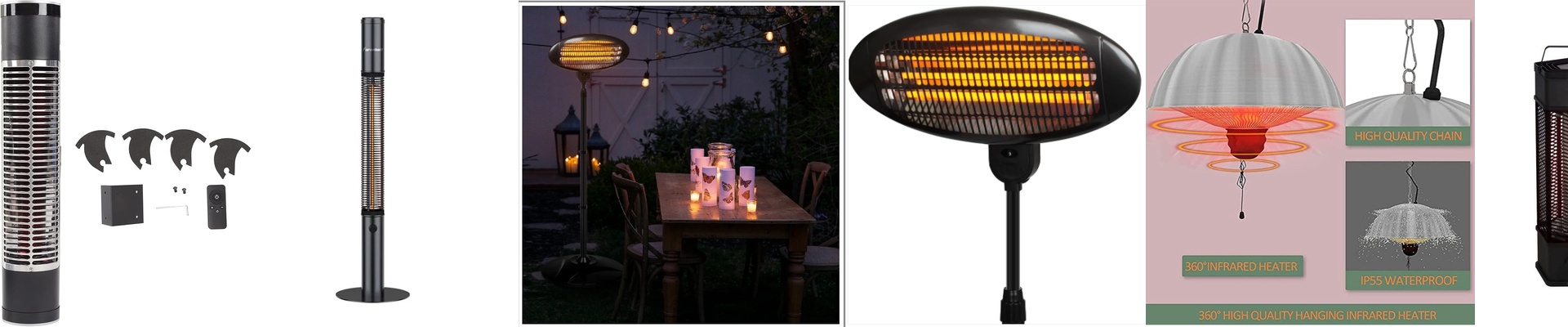
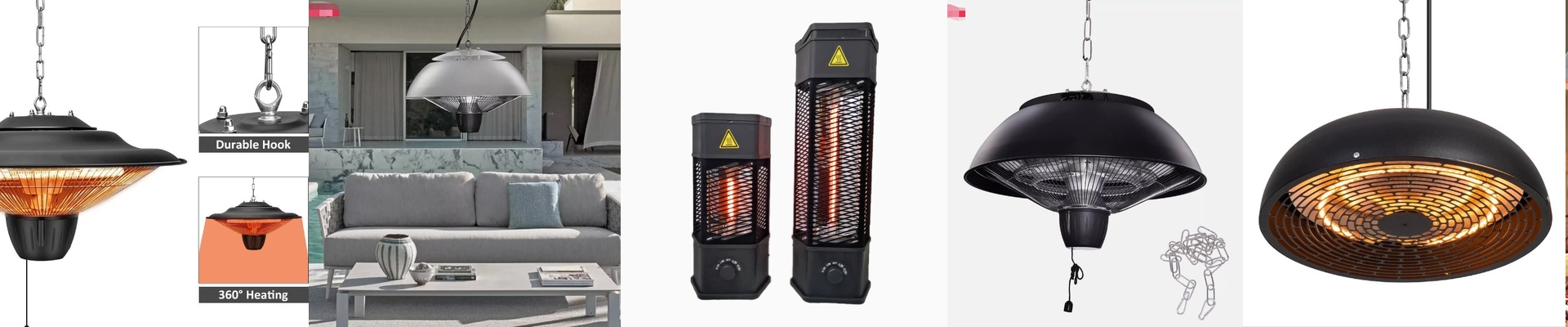
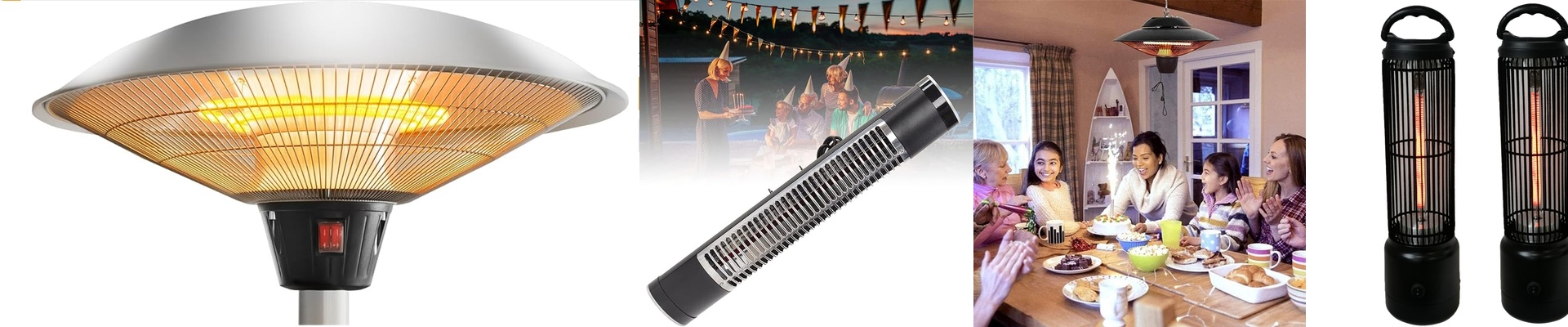
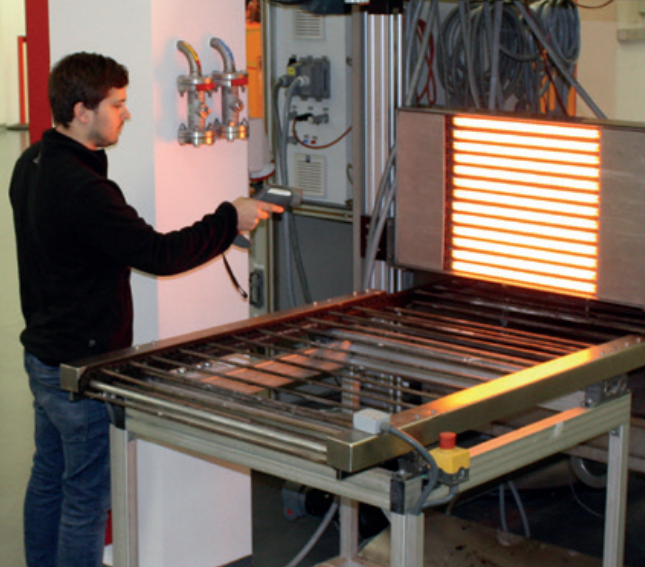
On the lithography floor, the bake module doesn’t cut deals. Soft bake sets photoresist stress and pulls out solvent; hard bake locks the profile before the etch step. When the Axcelis heater element drifts, temperature uniformity falls apart. Across the wafer you get CD shift, footing, and edge bead. Yield starts bleeding before the etcher even sees the wafer. What matters, technically We spec the Axcelis heater element spare for thermal discipline. Quartz substrates with short-wave or medium-wave IR sources give you a fast ramp with low thermal inertia. The target is wafer-level uniformity of ±0.1°C across the hot zone, so photoresist bake profiles stay repeatable lot-to-lot. The element runs at rated voltage and power density without hot spots, and the package geometry matches the original footprint—mounting boss and terminal block included. Materials are cleanroom-compatible for Class 1–100, and the build keeps particle generation near zero. Why it works in practice You keep the same tool, the same process recipe, and the same qualification status. With stable temperature control, soft bake removes solvents consistently, and hard bake sets the resist without reflow variability. The payoff is fewer excursions, less scrap, and CD control you can count on. The element holds steady through 24/7 operation, so you stop chasing intermittent bake drift and the unplanned downtime that comes with it. Energy use stays tight because heat transfer is efficient and the element holds setpoint without overshoot. The details that bite Installation tolerances are tight. Confirm connector orientation, seating pressure, and thermocouple alignment—otherwise you risk local overheat and a measurement offset. Before you return to production, verify bake chamber seal condition; a leaking seal changes the thermal environment and can hide the element’s true performance. Match the spare to the exact Axcelis model and revision so the thermal profile—and your qualification envelope—stay intact.