
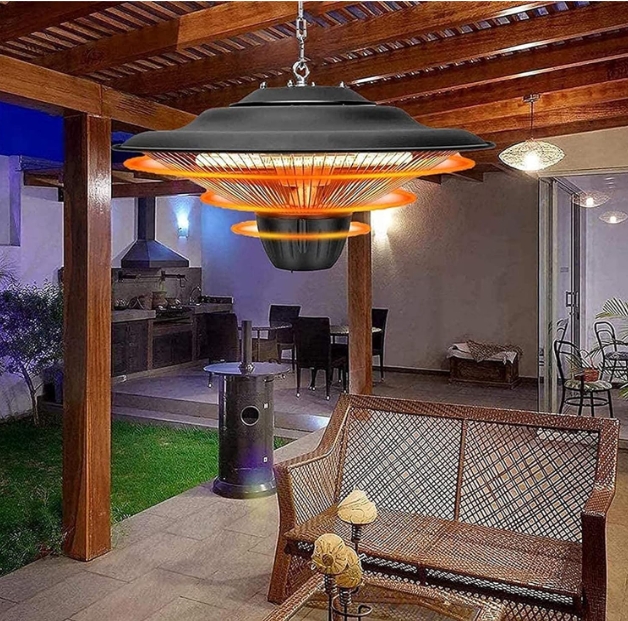
Stop the Mold Before It Starts: The Secret to Infrared Heating
Most people think of those infrared bathroom lamps as just a way to keep from shivering when you step out of the shower. But we look at them differently. We didn’t just build a heater; we built a tool to kill the dampness that lets mold move in.
How it actually works
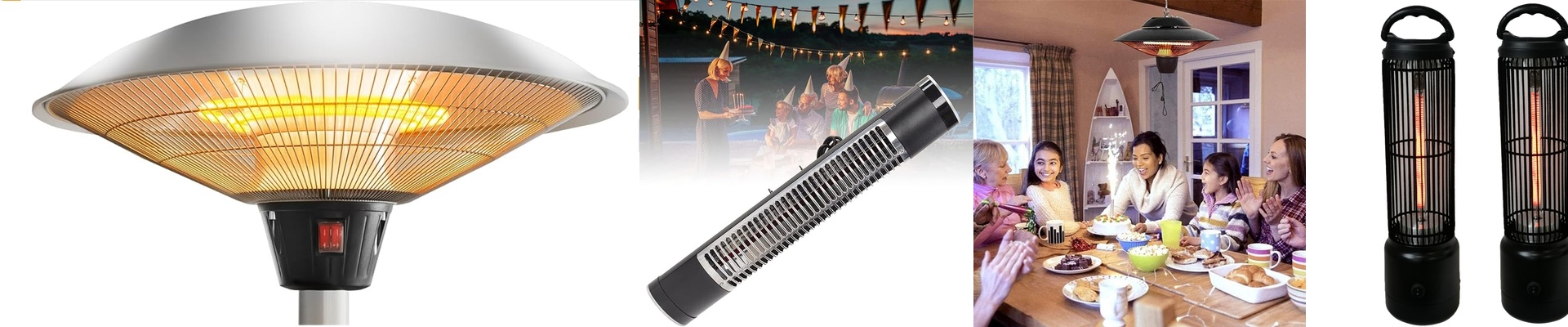
Here’s the thing about standard heaters: they just warm up the air. That’s fine for your skin, but it doesn’t do much for your walls. Our lamps use short-wave radiation. Instead of just heating the room, the energy actually sinks into the surface of your walls and ceilings. It gets the water molecules vibrating, which forces the moisture to evaporate way faster. When the walls stay dry, mold spores have nowhere to land. You’re basically attacking the dampness at the source.
Getting the power right
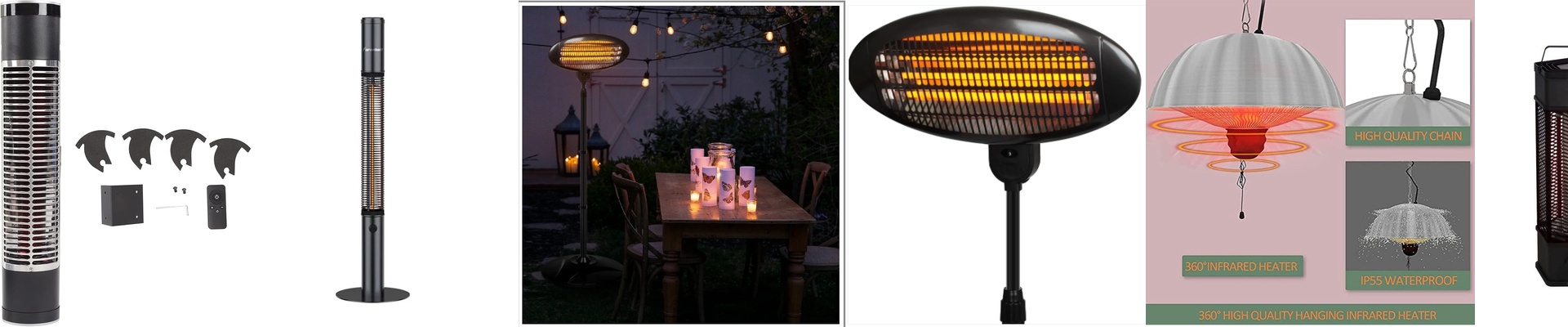
To make this happen, we use high-wattage quartz tubes. You need a lot of heat density to “flash-dry” a surface. If you go too low on the wattage, you’ll end up with a cozy room but walls that are still dripping. We also use special coatings on the glass. This shifts the light to wavelengths that are better at cutting through moisture. But there is a catch: these lamps pull a lot of power. Before you install them, just double-check that your wiring and breakers can handle the load. You don’t want the lights going out right when you’re getting warm.
Keeping things running
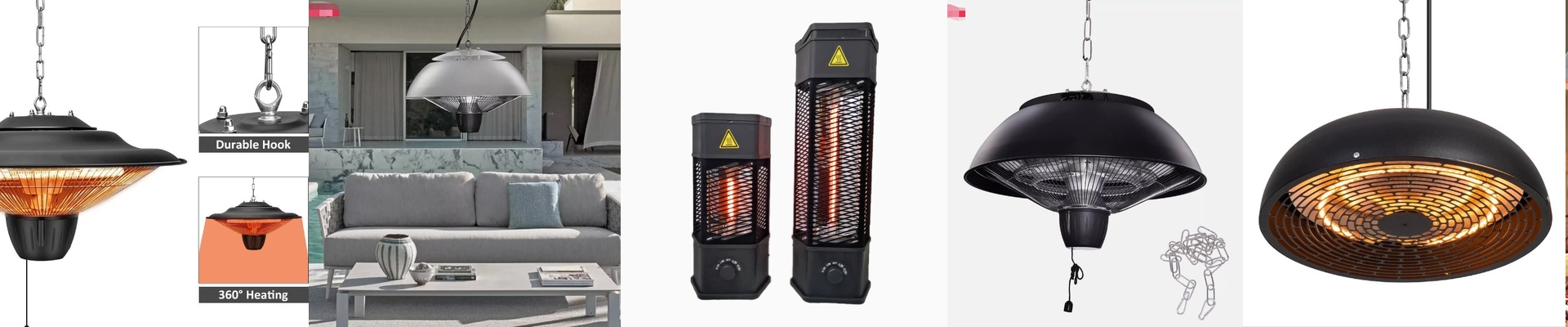
We kept the connectors standard, so if you’re replacing old halogen bulbs, these should slide right in. We also used a specific type of quartz glass that can handle the wild swings between freezing cold and blistering heat without cracking. One quick tip:keep the glass clean. If dust or soap scum builds up on the tube, it creates “hot spots.” Those spots can burn out the quartz or cause it to snap. A quick wipe-down every few months is all it takes to keep the heat consistent and your bathroom mold-free.