
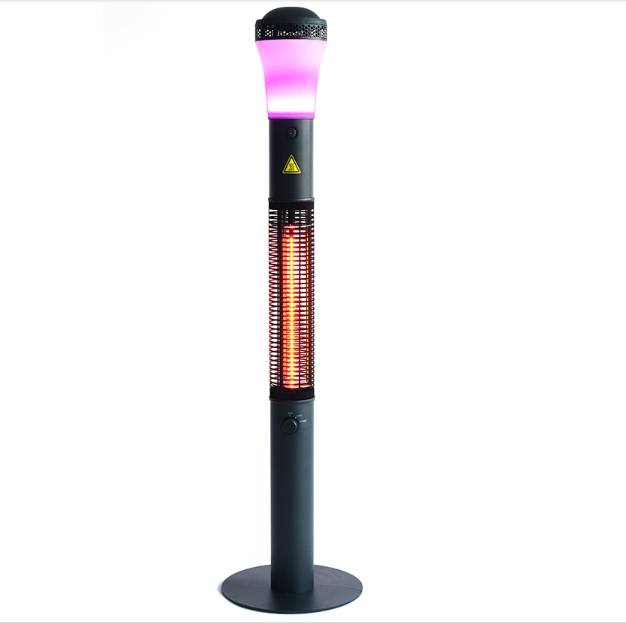
Stopping the Burn: Why IPX4 Infrared Heaters Fail (and How We Fixed It)
Most infrared heaters have a weak spot: the lead-wire junction. It’s the place where things usually go wrong. When you’re working in an IPX4 environment, you’ve got a nasty combination of moisture and extreme heat. That mix eats away at the insulation. Eventually, the material carbonizes, it shorts out, and your heater is toast. A lot of the stuff you buy off the shelf just uses basic shrink-wrap or cheap silicone. It looks fine for a week, but it can’t handle the constant heating and cooling. It just burns out. The real struggle with heat soak Building a heater for IPX4 specs is about more than just keeping water out. It’s about managing the heat moving from the quartz tube into the electrical terminals. If the sealant can’t take the heat, it shrinks. Then it cracks. Once that happens, humidity sneaks in and creates a path for electricity to go where it shouldn’t. We see this all the time with OEM units. Usually, their version of “sealing” is just a messy bead of glue. How we actually do it We take a different approach. First, we seat the lead wires with high-temperature ceramic insulators. This pushes the heat away from the connection point so the wires don’t bake. Then, we use a specialized potting compound that actually bonds to both the quartz and the wire jacket. It’s a finicky process. You can’t just wrap it and call it a day. The curing temperature has to be spot on. If it’s too low, the sealant leaks. Too high? The material gets brittle. And brittle seals are a nightmare because they crack the moment there’s any vibration, leaving your circuit wide open. A few things to keep in mind Here’s the trade-off: better sealing means the heater is a bit bulkier. You’ll want to double-check your clearances before jamming these into a tight housing. And just a heads-up—IPX4 protects against splashes, but it’s not a submarine. Don’t submerge it and don’t hit it with a high-pressure power washer. One pro tip? Wire it up with the leads facing downward. Let gravity pull the water away from the seals. It’s a simple trick, but it’s why our builds last while the cheap ones fail.