
Introduction
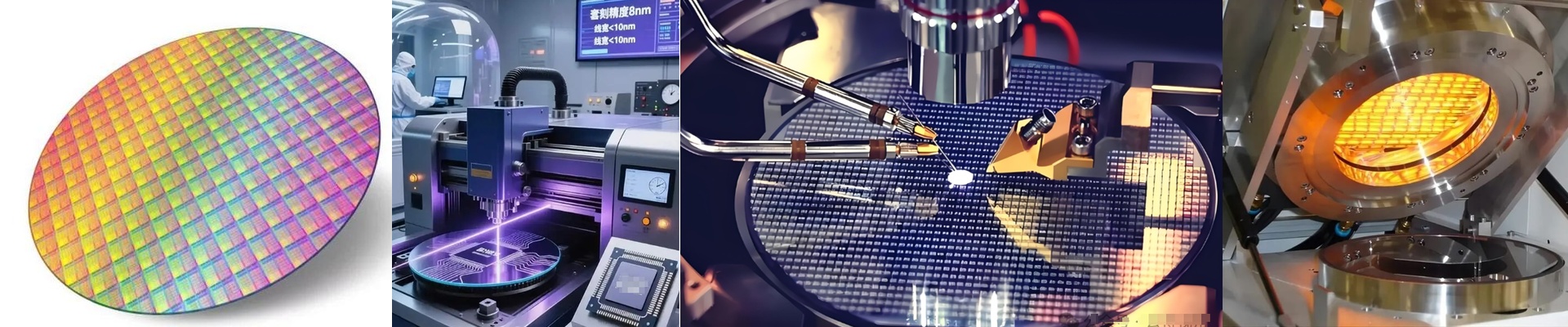
We built this gold-coated infrared lamp for one reason: to ditch the slow burn of hot air in semiconductor deep processing. Time is money, and we wanted to cut that cost to the bone. Where old-school convection heating fights its own weight, this lamp just hits the target—instantly. It’s the kind of upgrade that makes your line feel faster, because it actually is.
The Specs That Actually Matter
Let’s cut through the noise. The specs here weren’t chosen to look good on paper. They were chosen because semiconductor work demands serious heat, right now. We packed a punch into a small space: a 400V, 2500W setup running through a 300mm quartz tube. That gives you intense, focused heat—exactly what you need to power through rapid thermal processes without waiting around for the whole chamber to settle. It’s simple physics. More wattage, packed into a short length, means the energy is concentrated. So instead of watching the clock while your system warms up, you hit target temps in seconds. The 300mm length? Just right. Long enough for a standard zone, but tight enough to keep your machine footprint from getting bloated.
Why the Details Make the Difference
That gold coating isn’t just for show. It acts like a mirror, pushing the energy forward and keeping waste heat from bleeding backward. That means more usable infrared power, and a cooler reflector assembly. Underneath, the halogen element delivers stable, shortwave infrared that gets deep into materials fast—consistently, without fuss. And the R7s connector? We picked it because it works. It’s tough, handles high current and high heat, and doesn’t need any fancy tools. Wire it up, clamp it in, and it stays put. When it’s time to swap a lamp, you get back online quickly—less downtime, more uptime.
The Payoff: Saving Time Where It Counts
In semiconductor deep processing, time is the real cost. Hot air systems take a detour: they heat the air, then the air heats the product. That extra step adds drag. Our lamp skips the middleman and heats the target directly. The payoff? Ramp-up time drops. Cycle time drops. Everything moves faster. This setup gives you the efficiency to move from batch heating to smooth, continuous processing. Just be honest with yourself—2500W means you need cooling that can keep up. Treat the heat right, and you get a tool that turns a thermal bottleneck into raw throughput.