Getting to the Heart of It: Power and Shape
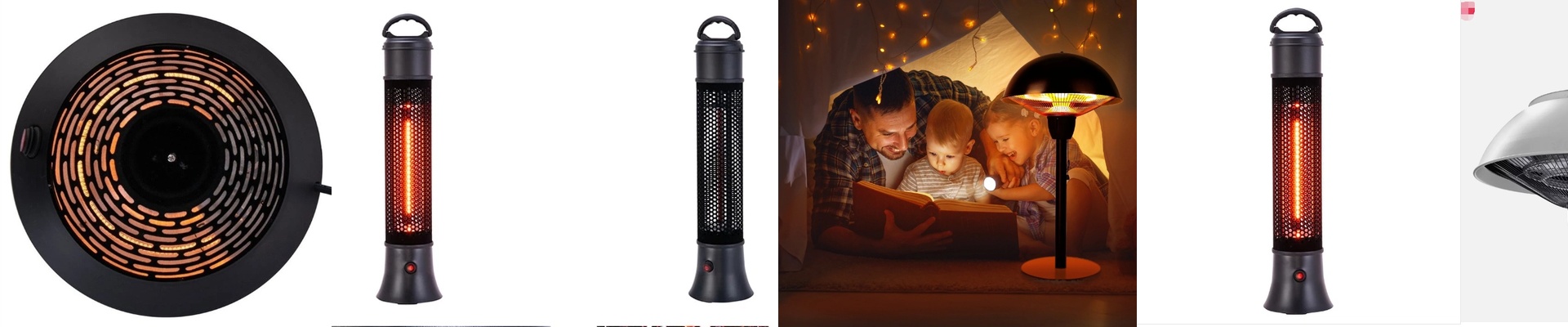
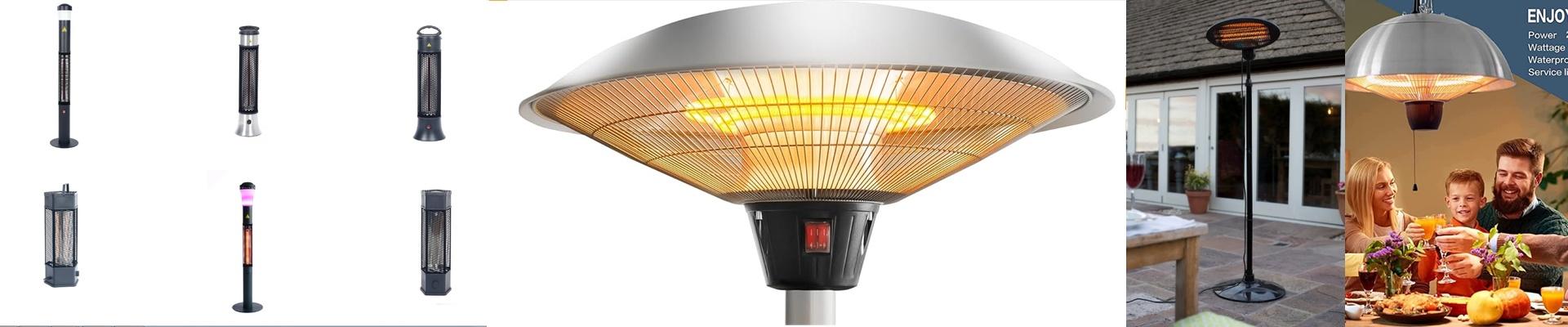
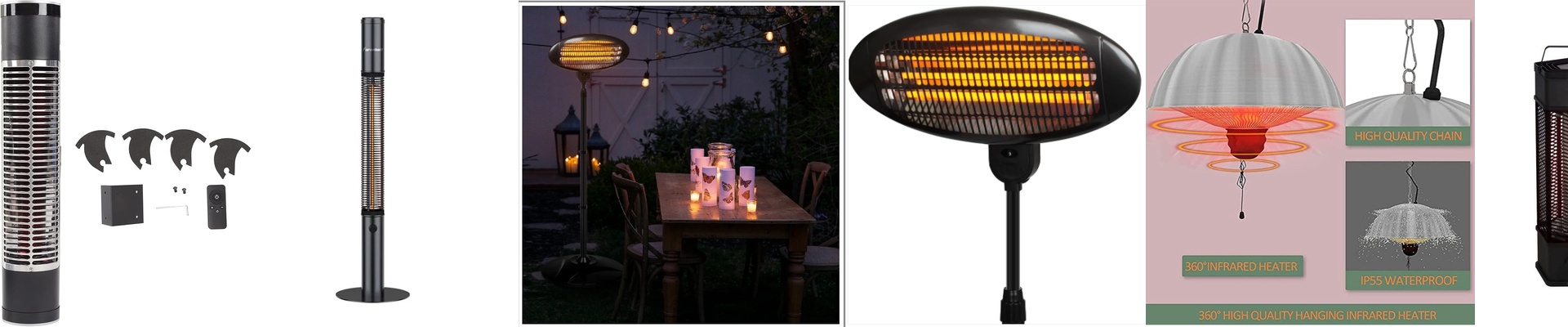
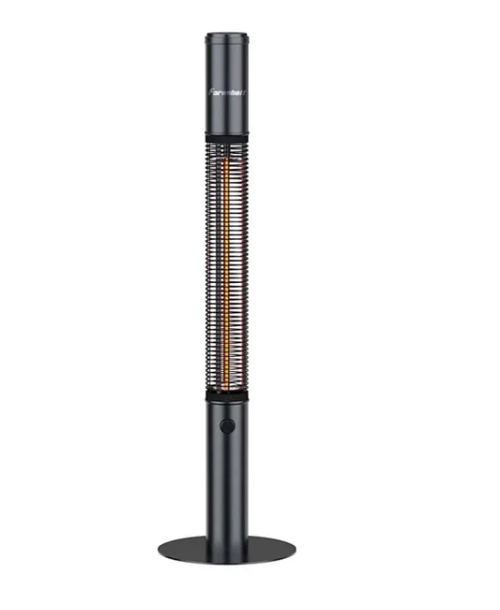
Here’s the thing about keeping a tent warm in winter—we don’t just slap in a regular space heater and call it a day. We treat these heaters like serious industrial infrared emitters. The whole setup hinges on a 300mm halogen tube, packed tight to deliver serious heat in a small space. And getting the power to match the shape? That’s not optional. We’re talking a 400V supply pushing 2500W of power, concentrated right along the tube. The result? You get heat, fast. It kicks in quickly and stays steady, even when the air outside is trying its best to freeze everything. This setup is built to fight the heat loss you always get in temporary shelters, where wind and air movement are constantly stealing your warmth.
What It’s Built From: The Halogen, the Coating, and the Connections
The halogen tech is what keeps the filament steady, even when it’s running hot. That means the tube lasts longer and the heat stays consistent, hour after hour, for thousands of hours. The quartz envelope isn’t just a fancy choice. It handles sudden temperature changes and lets the shortwave infrared pass right through. This lets the heat travel through the air and warm up solid objects directly. And the R7s connector? We chose it for one reason: it’s tough. It snaps in clean, makes a solid connection, and locks down tight. It holds up against vibration and gets through countless installs and removals without blinking. Get the wiring right, and you’ve got a rugged, drop-in solution that can take a real beating out in the field.
Why It Works: Real Warmth, Right Where You Need It
When you’re heating a tent in the cold, you want warmth fast, focused on the spot you need it, without taking up a ton of space. Shortwave infrared does exactly that. It warms people, tools, and surfaces directly, skipping the long, slow process of trying to heat all the air. That means less wasted energy and getting comfortable again fast, especially after equipment has been shut down. But there’s a trade-off. That 2500W at 400V packs a serious punch. So, you need to make sure your enclosure’s ventilation and thermal management are up to the task. Size the airflow properly to keep everything cool and protect nearby materials from getting too hot.