
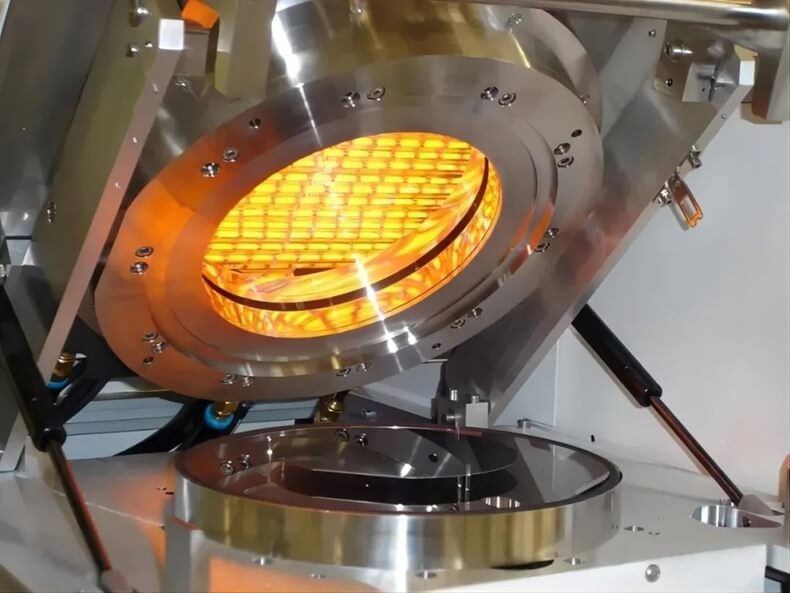
Stop the Shards: Dealing with Tube Bursts in Wafer Fab
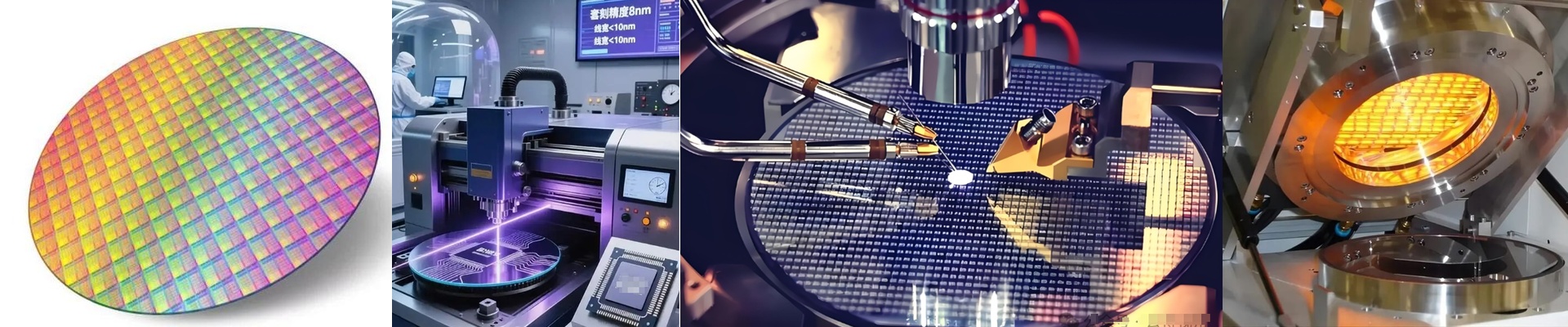
Let’s be honest. In a semiconductor fab, a burst infrared lamp is a total nightmare. It’s not just about the downtime—though that’s bad enough. It’s the mess. When a quartz envelope gives way under a heavy load, it basically rains glass fragments and particles right onto your wafers. It’s a contamination disaster. That’s exactly why we built our carbon fiber IR lamps. We wanted to kill that secondary pollution problem once and for all. Why carbon fiber? Most people are used to tungsten. But we swapped that out for carbon fiber filaments. Here is why: carbon fiber just handles the heat better. It doesn’t expand nearly as much when things get hot. Think about those rapid heat-up and cool-down cycles your equipment goes through. That puts a massive amount of mechanical stress on the glass. By switching to carbon fiber, the thermal profile stays stable. The glass doesn’t take such a beating, which means it lasts longer during those brutal, high-load production runs. Keeping the debris contained To keep things from going south, we obsessed over the seal and the envelope. We use high-purity synthetic quartz because it can take extreme temperature swings without cracking. We also fuse the ends using a precision vacuum process. It sounds technical, but it’s simple: it stops gas from leaking in. When gas leaks, the filament oxidizes, and that’s usually when the tube ruptures. And just in case? We added a specialized protective coating. If a tube does happen to fail, this layer acts like a safety net, helping to keep the debris from falling all over your substrates. A few things to keep in mind Now, these safety upgrades aren’t “free” in terms of physics. The reinforced quartz and those coatings change the spectral output a bit compared to a thin, uncoated tube. You’ll probably need to tweak your PID controllers to get the heat transfer just right. Also, double-check your cooling manifolds. Make sure they’re rated for the specific wattage of these reinforced tubes so your lamp holders don’t overheat. It’s a small adjustment, but it makes the whole system rock solid.