
Ditch the Hot Air: Why Vacuum IR is the Way to Go
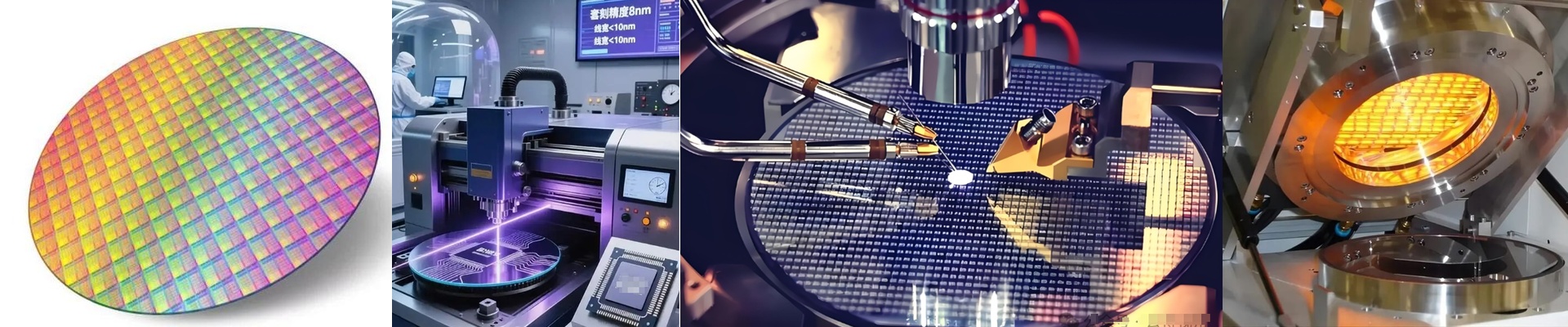
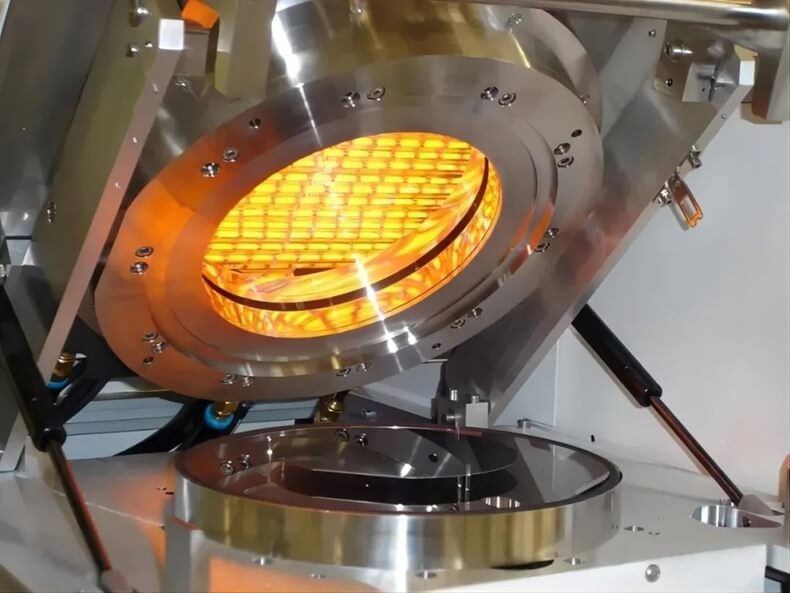
If you’re still using hot air circulation for semiconductor processing, you’ve probably noticed the lag. It’s frustrating. You’re basically waiting for the entire chamber and every molecule of air inside to heat up before your wafer even feels a thing. It’s a slow process that kills your momentum. That’s why we switched to vacuum infrared (IR) heaters. We just cut the air out of the equation entirely. The speed is wild. Think about it this way: IR heaters use electromagnetic radiation. In a vacuum, there’s nothing standing in the way. The photons hit the substrate directly. No “warming up” the room, no waiting for a breeze to carry the heat. You get a thermal response that’s almost instant. For a fab manager, this is a dream. You’re taking a 20-minute ramp-up and shrinking it down to seconds. But you can’t just slap any lamp in there. Vacuum environments are brutal on hardware. We use high-watt density quartz elements to keep the heat concentrated, but since there’s no air to whisk the excess heat away from the housing, the equipment takes a real beating. **Pay attention to your cooling jackets.**If your cooling loop isn’t beefy enough to handle the waste heat, you’re going to warp your chamber mounts or fry your seals. It’s a headache you don’t want. The cool part? Your footprint shrinks. You can get rid of those massive blowers and all that clunky ducting. You just wire up the IR banks, dial in your PID controllers, and you’re set. Now, there is one catch: uniformity. IR is directional, which means you can end up with hot spots if you aren’t careful. We handle that by using gold-coated reflectors or multi-angle arrays to basically “wrap” the heat around the part. Plus, there’s the cleanliness factor. When you stop circulating air, you stop moving particles and turbulence around your work. No junk, no risk. Just clean, direct radiation.