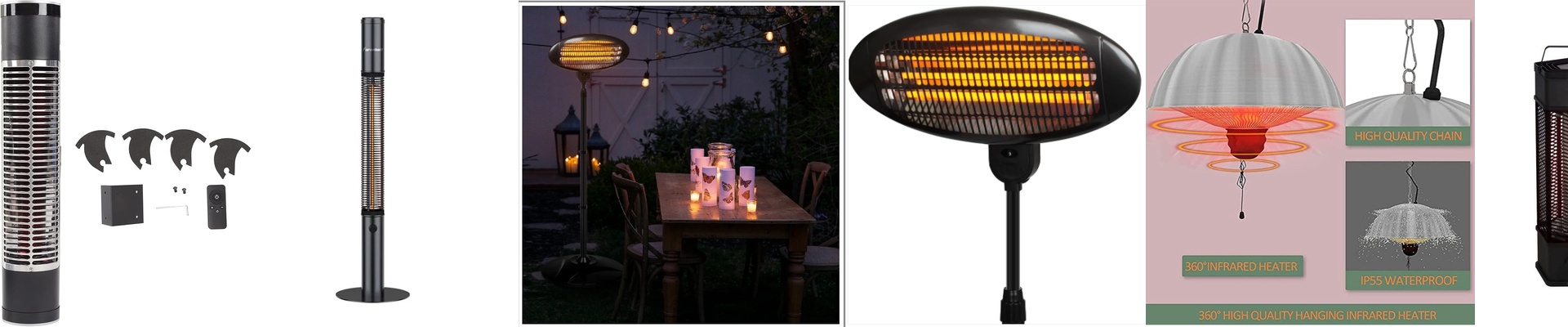

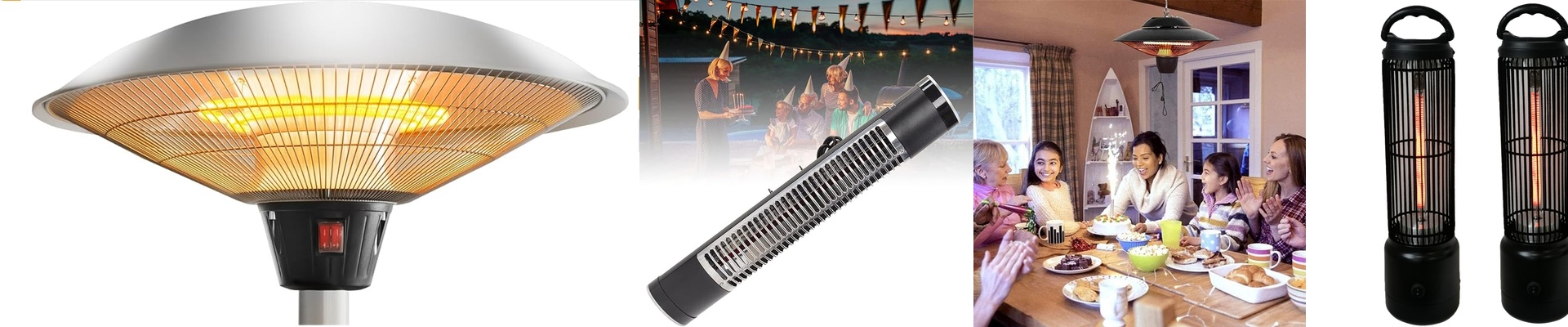
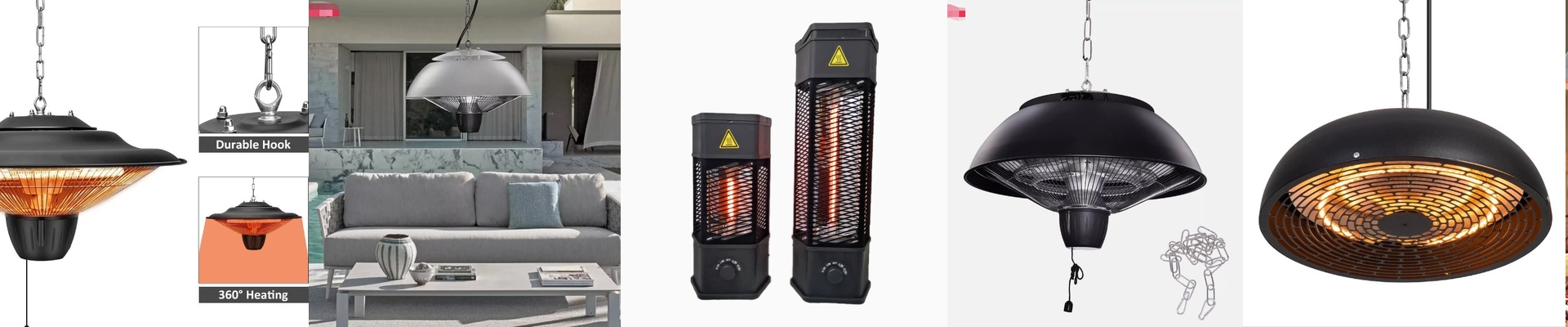
Why We Put Our Bathroom Heaters Through Hell (And Why It Matters)
Let’s be honest: bathrooms are a nightmare for electronics. One minute it’s freezing cold, and the next, your shower has turned the room into a literal steam sauna. You’ve got thick humidity, direct steam, and these wild temperature swings where the heater is scorching hot while the air around it is chilly. If a seal isn’t perfect or a material is a bit cheap, the unit just gives up. It burns out. Simple as that. The battle against moisture We don’t just hope our heaters work; we try to break them. We put every batch through “damp-heat aging tests” because moisture is basically poison for electrical parts. Here’s the thing: when water vapor sneaks into the housing, it creates these tiny conductive paths on the circuit board and eats away at the contact points. To stop that from happening in your home, we shove our heaters into high-humidity chambers and cycle them over and over. It’s a brutal process. But it forces any hidden mistakes—like a sloppy gasket or a weak solder joint—to pop up in our lab instead of in your ceiling. The tricky part: Quartz and heat The heart of the heater is that quartz glass tube. We use special coatings to make sure the heat hits you instantly, but the real danger is where the metal wires enter the glass. Metal and glass don’t react to heat the same way. One expands, the other doesn’t. When you flip the switch and the temperature jumps, those materials are fighting each other. If that seal isn’t airtight, moisture seeps in, the filament oxidizes, and snap. Our tests make sure those seals can handle that thermal shock without breaking a sweat. Power vs. Longevity Now, we all love that feeling of instant warmth the second you step out of the shower. But high wattage comes with a price. Pushing more heat means more stress on the internal wiring and the housing. You get the warmth faster, sure, but the ceiling hardware has to work harder to deal with that load. We’ve picked materials that can take the heat, but a quick tip: make sure your ceiling void has some breathing room. A little ventilation goes a long way in keeping the driver from overheating.