
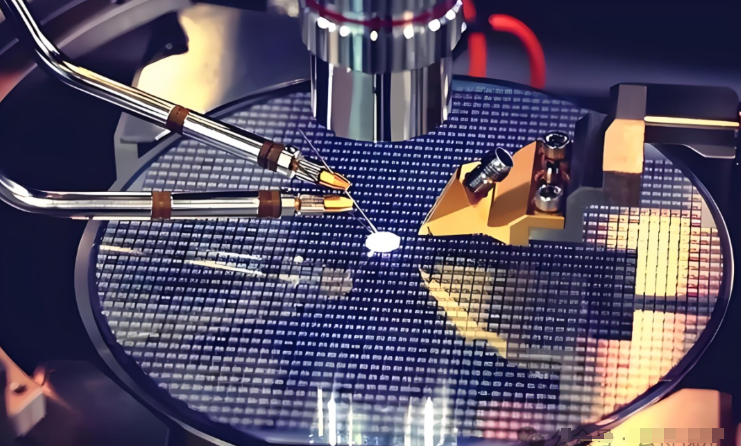
Getting the Most Out of Your Fab Lamps: Why Quartz Shields Actually Matter
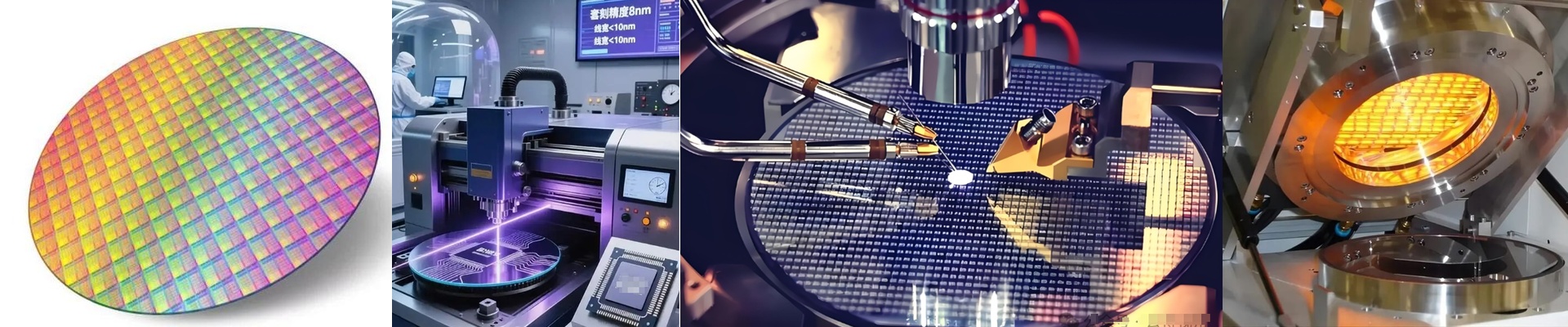
In a Fab, heat is more than just something you have to deal with—it’s the engine driving the whole process. But you can’t just let your infrared lamps run wild. That’s where quartz glass shields come in. They keep the lamps safe while making sure the heat actually hits the target. If you’re setting up a smart factory, these shields are basically the handshake between your raw power and your digital controls. Why quartz? Honestly, it’s the only thing that works. Ordinary glass would just shatter the moment things got intense. Quartz can take a massive thermal shock and keep on ticking. Plus, it lets short-wave infrared radiation slide right through without soaking up too much energy. More importantly, it acts as a bodyguard. It keeps chemical vapors and dust—the kind of stuff that’s everywhere in a Fab line—away from the lamp filament. Without that barrier, your lamps would burn out way too fast, and nobody wants to be the person replacing bulbs every other week. Making it “Smart” If you’re running a modern setup, you want data. You want to know exactly how heat is spreading across your wafer in real-time. When you use a precision-engineered quartz shield, the heat footprint stays consistent. It’s steady. And when the heat is steady, your PID controllers and sensors don’t have to fight an uphill battle to keep temperatures tight. It just works. The Give and Take Here’s the thing: you can’t have everything. If you want a faster ramp-up, you need higher heat density. But that puts a lot of stress on the quartz. You end up in a bit of a balancing act with the thickness. A thicker shield is great because it won’t break if someone bumps into it. But there’s a catch. It can reflect a bit of that IR energy right back into the lamp housing. If you don’t spec your cooling fans to handle that bounce-back, you’re looking at warped mounting brackets. Not a fun fix. At the end of the day, these shields turn a basic heating element into a precision tool. They make sure your lamps aren’t just getting hot for the sake of it, but are delivering energy exactly where you need it.