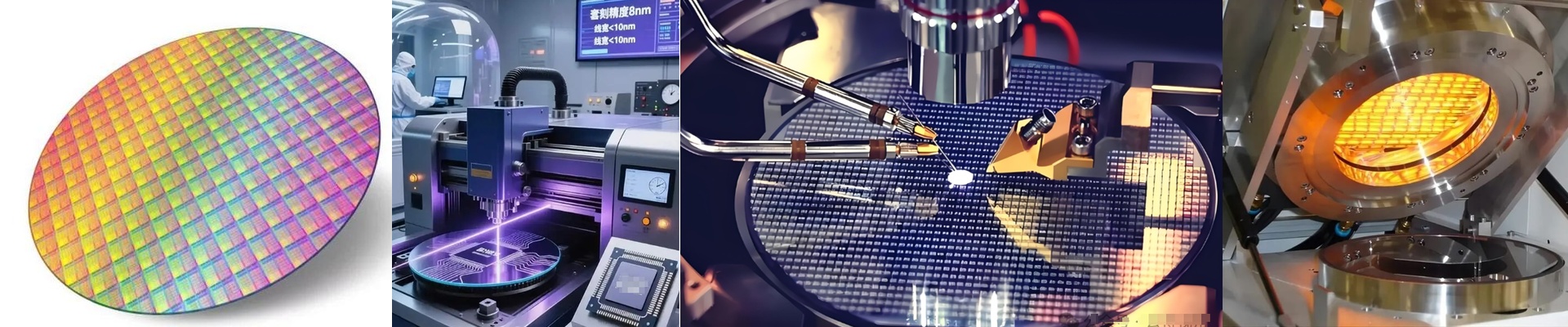

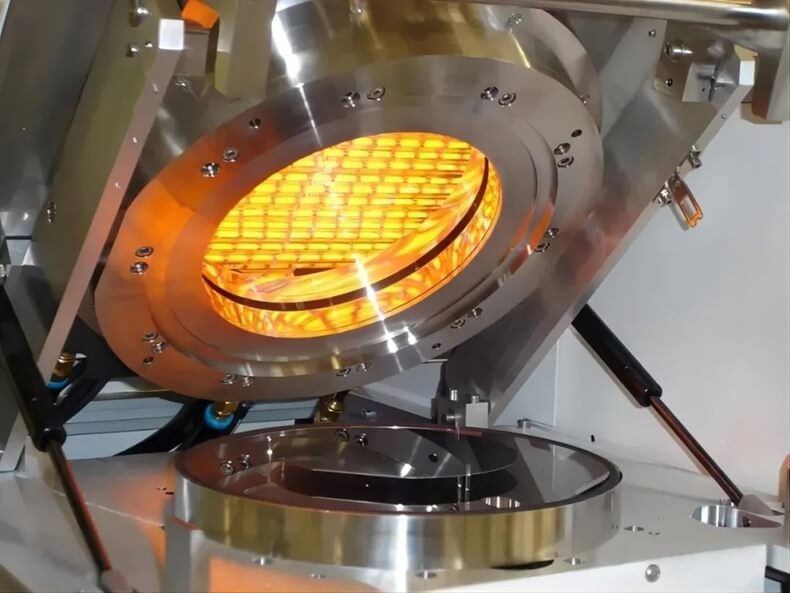
On the fab floor, a half-degree drift in the photoresist bake is enough to move linewidths and turn a lot into scrap. We built quartz heater setups to keep thermal behavior nailed down, shift after shift.
What matters, under the hood
We run short-wave infrared quartz elements because they respond fast and give you tight control. Across the active zone, wafer-level uniformity holds at ±0.1°C, and lot-to-lot repeatability stays within 0.2°C. Cleanroom compatibility is built in for Class 1–100: low-outgassing materials, sealed junctions, and surfaces that don’t shed particles. Power density is tuned to the process window, and the thermal profile stays repeatable through soft bake, hard bake, and post-apply bake.
Why this matters in lithography
Temperature stability is what drives yield in photoresist processing. You get consistent critical dimension control, fewer reworks, and defect performance you can plan around. Fast ramp-up keeps the thermal budget in check, so you don’t cook the underlying films. Energy use drops because the system heats on demand and holds steady without overshoot. The payoff is stable throughput—fewer stops to recalibrate, fewer heater swaps.
Practical notes for the install
The units are built to line up with international semiconductor equipment expectations and serve as validated, equivalent alternatives. Integration is straightforward, but you have to match thermal coupling to the chuck, chamber geometry, and control strategy to the application. Expect a short commissioning run to dial in the PID and lock in the profile across wafer types.