
Stop Letting Broken Lamps Kill Your Yield
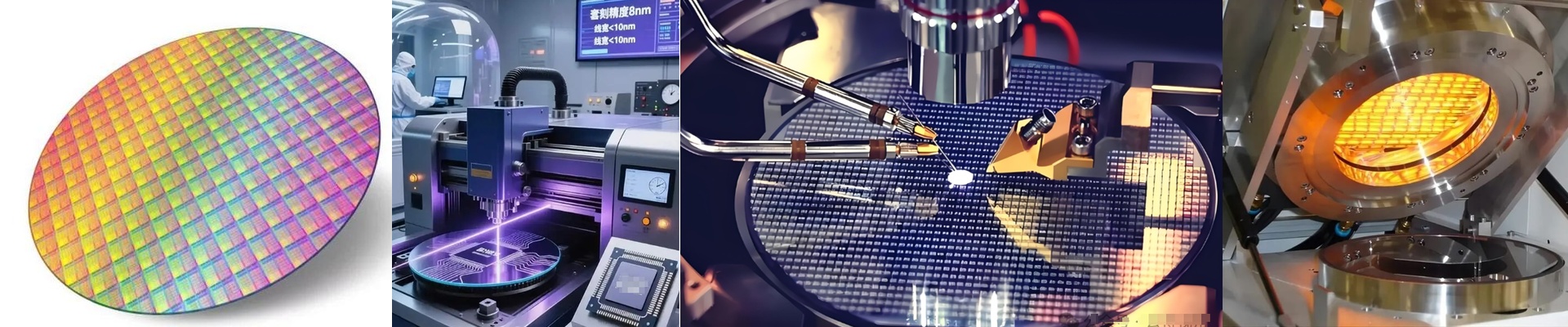
In a high-load fab, a shattered infrared lamp isn’t just a nuisance. It’s a nightmare. When a quartz tube goes, it doesn’t just break—it sprays glass shards and chemicals right onto your wafers. One pop, and you’ve just scrapped an entire batch. It’s a gut-wrenching way to lose a day’s work. Why do they break? Usually, it’s thermal shock. You ramp the heat up or down too fast, a hotspot forms, and crack. We deal with this by using high-purity synthetic quartz. It handles the stress of rapid temperature swings way better than the cheap stuff. We also obsess over the wall thickness. It’s a balancing act: you want the heat to get through, but you need the tube to be tough enough to survive the pressure. Keeping the mess contained Even with great quartz, things happen. So, we added a safety net. We wrap the emitters in a high-temperature sleeve that doesn’t react with chemicals. Think of it as a bodyguard. If the lamp inside fails or explodes, the sleeve catches everything. The debris stays put, and your wafers stay clean. And we didn’t stop there. We beefed up the connectors to stop electrical arcing. Those little sparks create metallic micro-particles, which are basically invisible killers for your fab. By tightening the tolerances on the contact points, we just get rid of the spark entirely. The honest trade-off Look, adding a physical barrier means you aren’t getting a “naked” heat source. You’ll notice a slight dip in direct infrared transmission. It’s not a dealbreaker, but you might need to bump up the power or move the lamp a bit closer to the wafer to hit your target temp. One more thing: since the sleeve traps a bit more heat, double-check that your cooling fans can handle the extra load. You don’t want the housing overheating while the wafers are safe.