
Keeping Your Wafers Clean: The Truth About Trolley Heaters
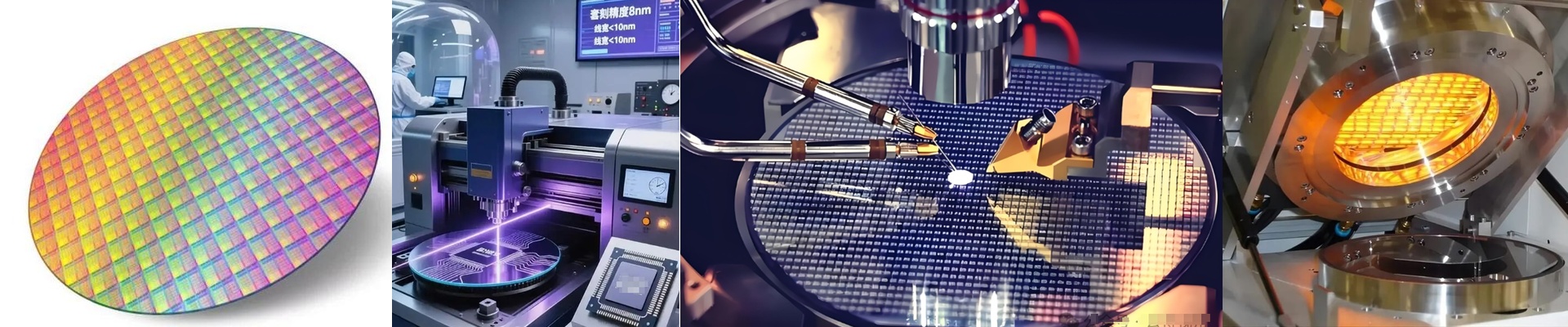
In a high-volume fab, a shattered infrared lamp in a transport trolley is more than just a nuisance. It’s a nightmare. When a quartz tube pops, it doesn’t just break—it sprays microscopic glass shards and electrode bits everywhere. If that hits your wafers, you’re looking at a massive loss. We built our trolley heaters specifically to make sure that never happens. Stopping the mess before it starts We start with high-purity fused quartz that can handle the constant heating and cooling. But the real secret is the secondary containment sleeve. Think of it as a safety net. If the inner lamp cracks or burns out, the sleeve catches all the debris. The glass dust stays trapped, and your silicon stays pristine. It’s that simple. Dealing with the heat Most lamps fail because they get too hot at the pinch seal. We fixed this by tweaking the electrode geometry. By spreading the heat evenly across the filament, we stop those dangerous “hot spots” from forming at the ends of the quartz. We also reinforced the lead-in wires. Why? Because trolleys vibrate when they move, and that shaking can crack a seal if it isn’t toughened up. The balancing act Here’s the thing: you need high wattage to keep those wafers at the right temperature during the trip. But pushing a lamp to its limit is risky. If your cooling airflow dips for a second, you risk thermal shock. Just make sure your trolley’s ventilation can actually handle the heat load. If it can’t, your lamp life is going to tank. Making swaps easy Nobody wants to spend hours recalibrating a heating array just because one unit died. That’s why we use standardized connectors. You just drop in a replacement and get the line moving again. We kept the footprint tight, too, so the safety shielding doesn’t get in the way of your loading mechanism. It just works.