
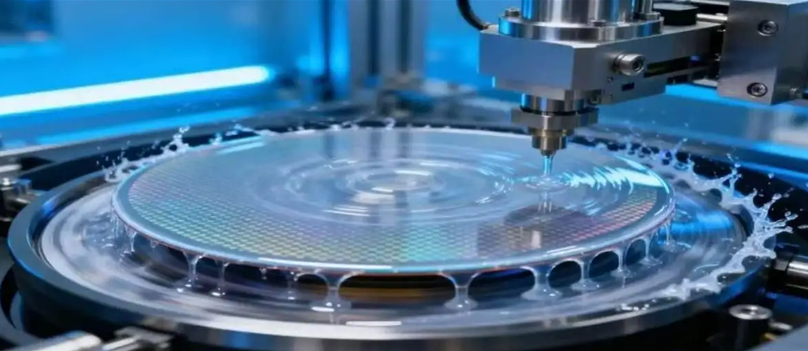
Why We Use IR Curing for Hydrogen Sensors
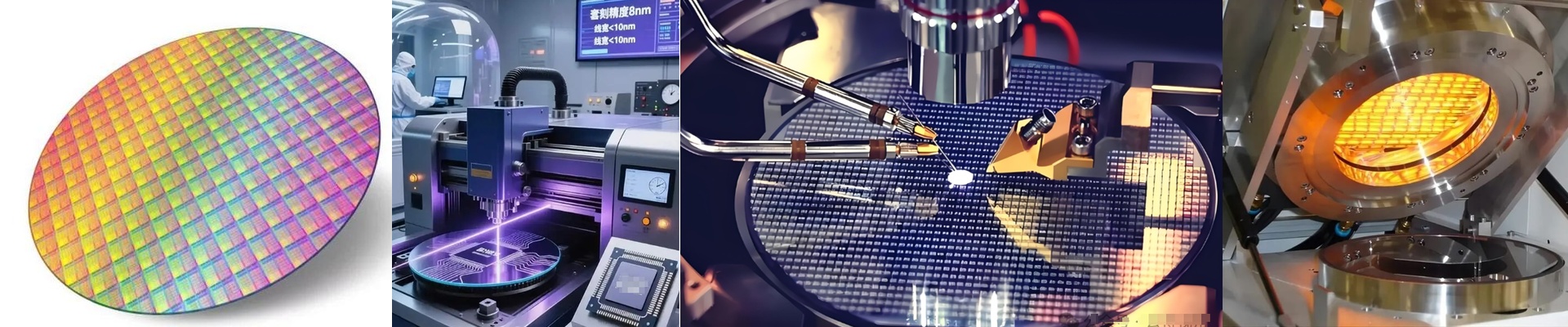
When you’re building hydrogen sensors, thermal management is everything. If you mess up the heat, you ruin the membrane or kill the electrical conductivity. Simple as that. That’s why we went with infrared (IR) curing. It fits right in with the move toward lead-free, energy-saving setups in the semiconductor world. Think of it this way: traditional convection ovens waste a ton of energy just heating up the air and the walls of the chamber. IR doesn’t bother with that. It sends energy straight into the substrate. It’s direct. It’s efficient. The way it works is pretty cool. The IR radiation matches the absorption spectrum of the sensor materials. Instead of burning kilowatts to heat a giant metal box, the energy goes right into the chemical bonds of the curing agent. This changes the timeline completely. We’re talking about cutting cycle times from hours down to minutes. Plus, it keeps the cleanroom’s carbon footprint much smaller. Then there’s the lead-free side of things. Lead-free solders and adhesives are finicky. They have a tiny window where they actually work. If you overshoot the temperature even a little, you’ll warp the substrate or fry the sensitive layer that actually detects the hydrogen. To stop that from happening, we play around with the wavelength—switching between shortwave and medium-wave—to hit specific depths. It means the core of the bond gets fully cured, but the surface doesn’t get scorched. Of course, it’s not all magic. There are trade-offs. High-intensity IR lamps put out a massive amount of heat. Great for speed, but it puts a real strain on your cooling system. If your airflow isn’t up to the task, the heat builds up around the lamp housing and your curing starts to drift. You have to find that sweet spot between lamp wattage and conveyor speed so you don’t over-cook the sensors. But here’s the best part: using IR means we can ditch those volatile organic solvents you find in old-school drying. You end up with a clean, dry sensor without that annoying chemical residue that usually plagues convection lines.