Keeping Things Safe When Heating Flammable Chemicals
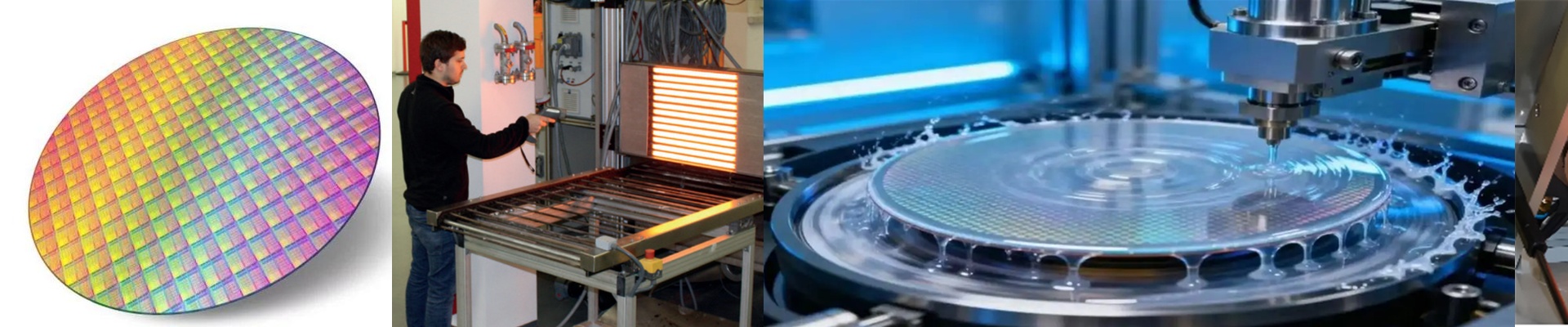
Let’s be honest: heating chemical baths in a semiconductor fab is a nerve-wracking job. When you’re working with volatile solvents, you’re basically dealing with a powder keg. One stray spark or a naked heating element, and you’ve got a disaster on your hands. That’s why we stopped relying on open-element heating. Instead, we wrap everything in specialized infrared (IR) lamp encapsulation.
How the shielding actually works
We don’t just toss a lamp into your machine and hope for the best. We use a quartz envelope that’s sealed tight, then wrap that in a chemical-resistant outer jacket. Think of it as a bodyguard for your heating element. It keeps the high-temp filament completely separate from the explosive fumes in the air. And here’s the real win: if a tank leaks, the encapsulation stops the liquid from hitting the hot quartz tube. Without that barrier, the glass would just shatter from the thermal shock.Not something you want to happen on a Tuesday morning.
Managing the heat
Our IR lamps use short-wave radiation. Basically, they shoot heat directly into the liquid surface rather than wasting energy heating up all the air around it. To keep things stable, we use reinforced end-caps and high-temp seals. This ensures the vacuum inside the tube stays put. But you have to be smart about power density. Sure, a higher-wattage lamp gets the bath hot faster, but it puts way more stress on those seals. We find a sweet spot with the wattage so the jacket doesn’t get so hot that it melts your gaskets.
Swapping them out
Nobody wants to spend hours rebuilding a heating manifold just to fix a lamp. We designed these to be drop-in replacements. You swap the assembly, and you’re back in business. Simple. One quick tip: check your wiring. If your cables aren’t rated for the lamp’s amp draw, you’re creating a fire hazard. We use flame-retardant cabling because, in this environment, “good enough” isn’t good enough.