

Heating Wafers Without Blowing Things Up
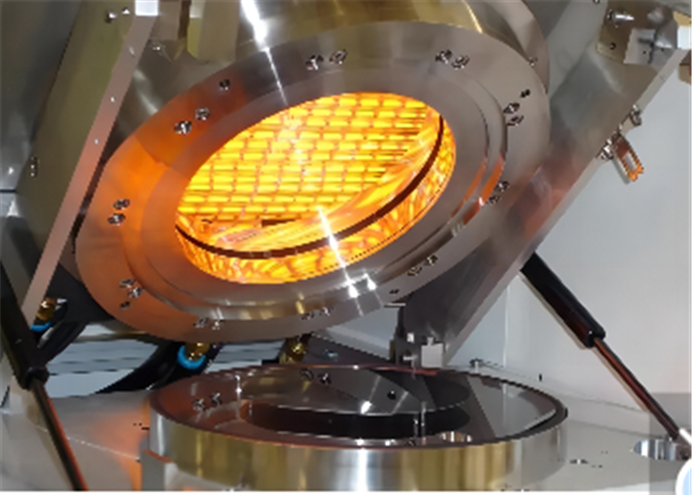
Heating wafers during a chemical clean is a bit of a tightrope walk. You need precise heat, but you’re doing it right next to flammable solvents. That’s a recipe for a bad day if you aren’t careful. To keep things safe, we use specialized infrared (IR) lamps that won’t trigger an ignition in those kinds of hairy environments. The “No-Spark” Setup Most IR lamps are “open-element,” which is just a fancy way of saying the heating filament is sitting right there in the open. In a chemical cleaning cell, one tiny spark or a hot surface can start a flash fire. We don’t do that. Instead, we wrap everything in a sealed, explosion-proof quartz envelope. It’s basically a high-grade shield that keeps the electrical guts totally isolated from the chemical vapors. We even use special sealants at the electrode junctions so no gas can sneak inside the housing. Keeping it Cool (Where it Counts) These lamps use short-wave infrared radiation. The beauty of this is that the energy goes straight into the wafer. It doesn’t waste time heating up the air or the chemical bath around it. Because the energy is so focused, the outside of the lamp stays below the auto-ignition point of the cleaning agents you’re using. It’s a much calmer way to handle heat. But here’s the thing: you still have to watch your airflow. If your vents fail and vapors start piling up, even a sealed lamp can be risky if the surface gets too hot. That’s why we pair these with an integrated thermocouple loop. It acts like a safety net to make sure things never overheat. Living with the Equipment We built these to be drop-in replacements, so you don’t have to redesign your whole line. We run the wiring through flame-retardant conduits—because nobody wants a cable burnout during a long production run. Since these lamps live in a corrosive world, we treat the outer glazing to stop chemicals from eating away at the glass. One quick tip: keep an eye on that glass. If the glazing gets cloudy, your heat transfer drops. The lamp then has to work harder and run hotter to make up for it, which usually leads to a premature burnout. Just give the quartz a quick check every 500 hours to make sure it’s still clear. Your equipment will thank you.