

Keeping Your Clean Room Heaters Safe (and Sterile)
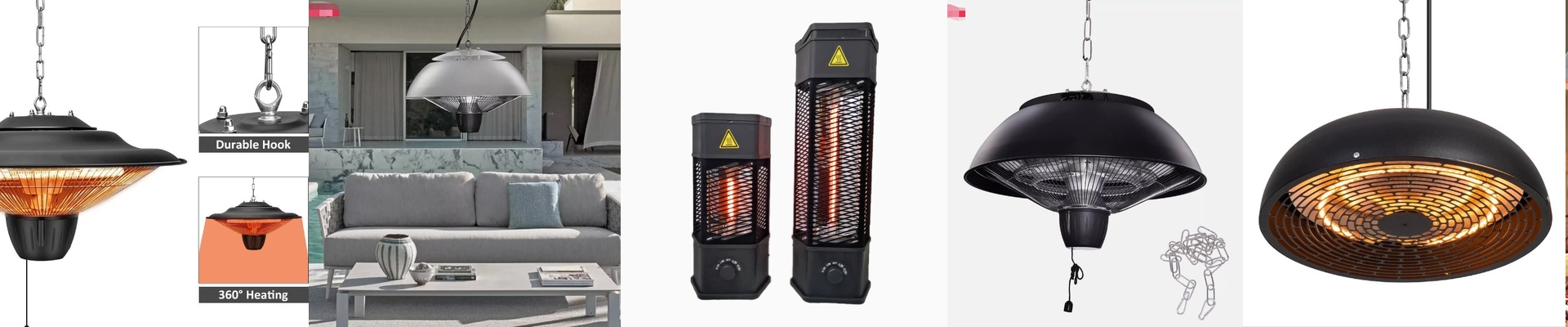
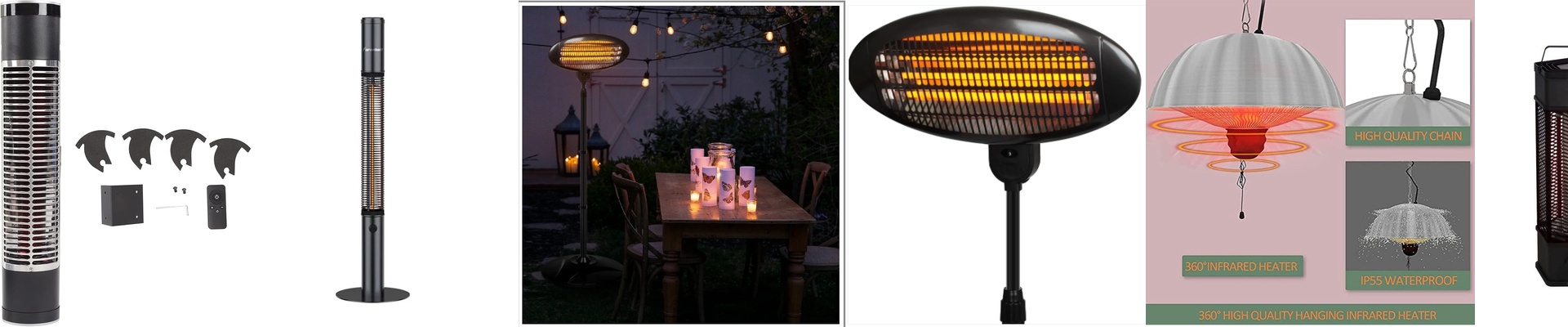
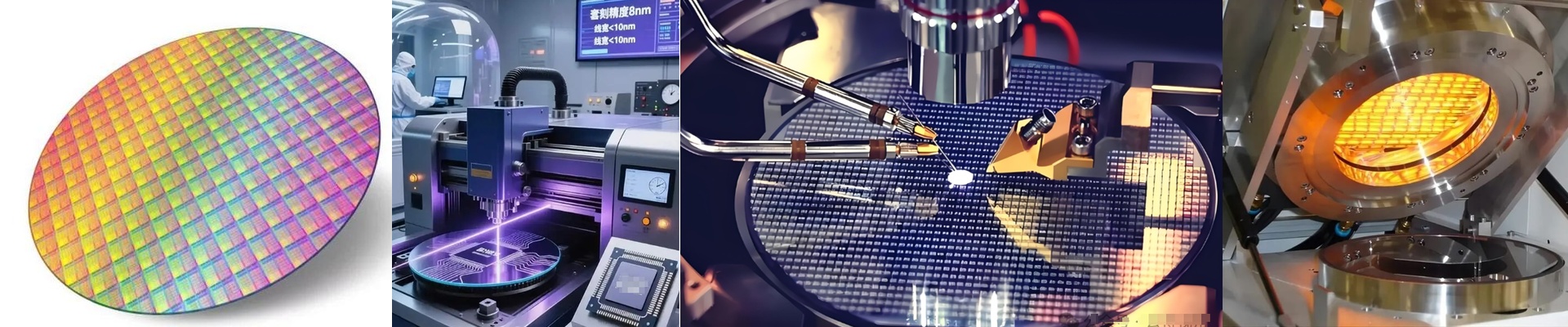
In a clean room, a single speck of dust is a disaster. An electrical failure? That’s a nightmare. When we build infrared heaters for these spaces, getting the heating element right is only half the job. The part that actually keeps you sleeping at night is making sure every single lamp tube is electrically rock-solid before it ever leaves our shop.
Why we test every single tube
We don’t do “random sampling” here. We run every single tube through withstand voltage (hi-pot) and insulation resistance tests. Every. Single. One. Here’s why. In a sterile environment, a dielectric breakdown isn’t just a tripped breaker. It can cause arcing. That creates tiny metallic particles that fly everywhere, instantly ruining your sterile space. By pushing the insulation to its limit in our factory, we make sure the quartz envelope and the seals can handle voltage spikes without leaking current into the chassis.
Dealing with heat and high voltage
High-wattage infrared tubes live in a weird world. You’ve got a cold connector on one end and a white-hot filament on the other. That massive temperature gap puts a ton of stress on the seal. If the insulation is even slightly off, the tube will either short out or just burn out way too early. To stop that from happening, we set our test parameters to be tougher than the actual voltage you’ll use. It means when you finally wire it up to your power supply, it just works. No sporadic grounding issues, no surprises. Just steady heat.
The balancing act
Now, strict testing catches the duds, but it doesn’t make a lamp indestructible. There’s always a trade-off. If we just made the insulation thicker or the seals bulkier to get a “perfect” test score, we’d block the infrared rays. You’d lose efficiency. So, we spend our time tuning the quartz purity and the geometry of the seal. The goal is to keep the heat flux high while making sure the safety margins are exactly where they need to be for high-end gear.