
Stop Fighting the Chill: Why Waterproof Infrared is the Better Way to Heat Your Bathroom
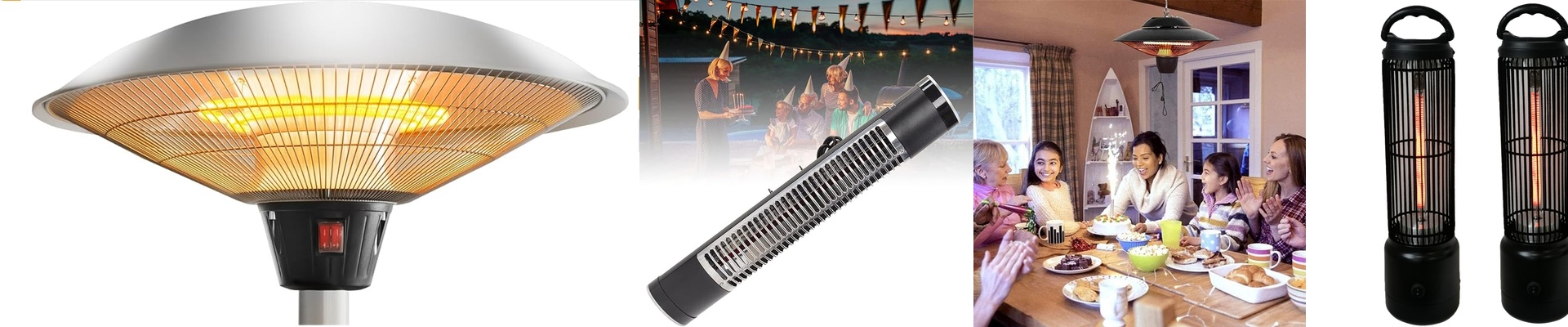
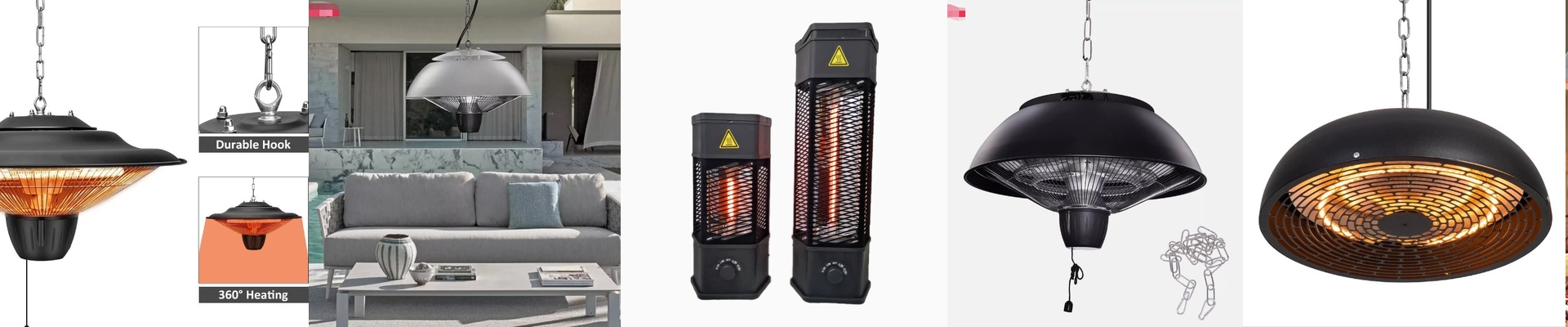
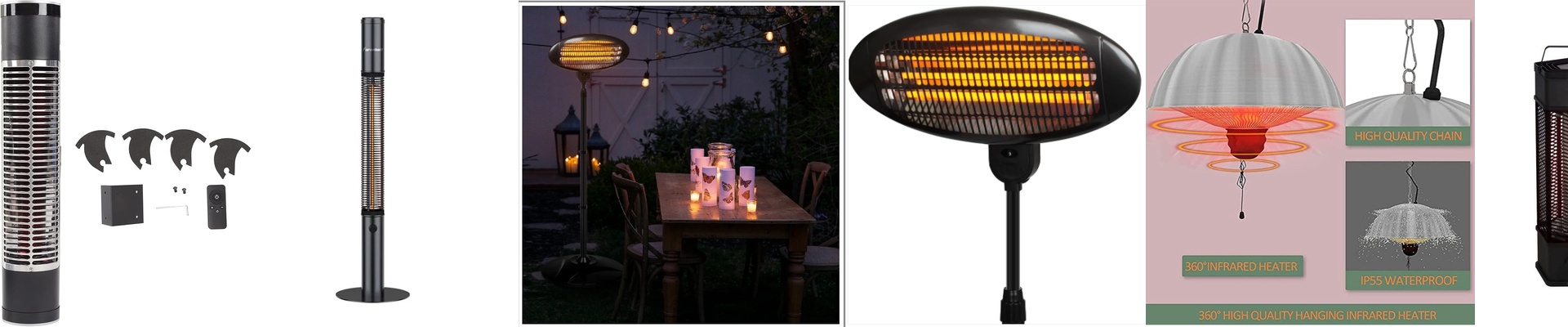
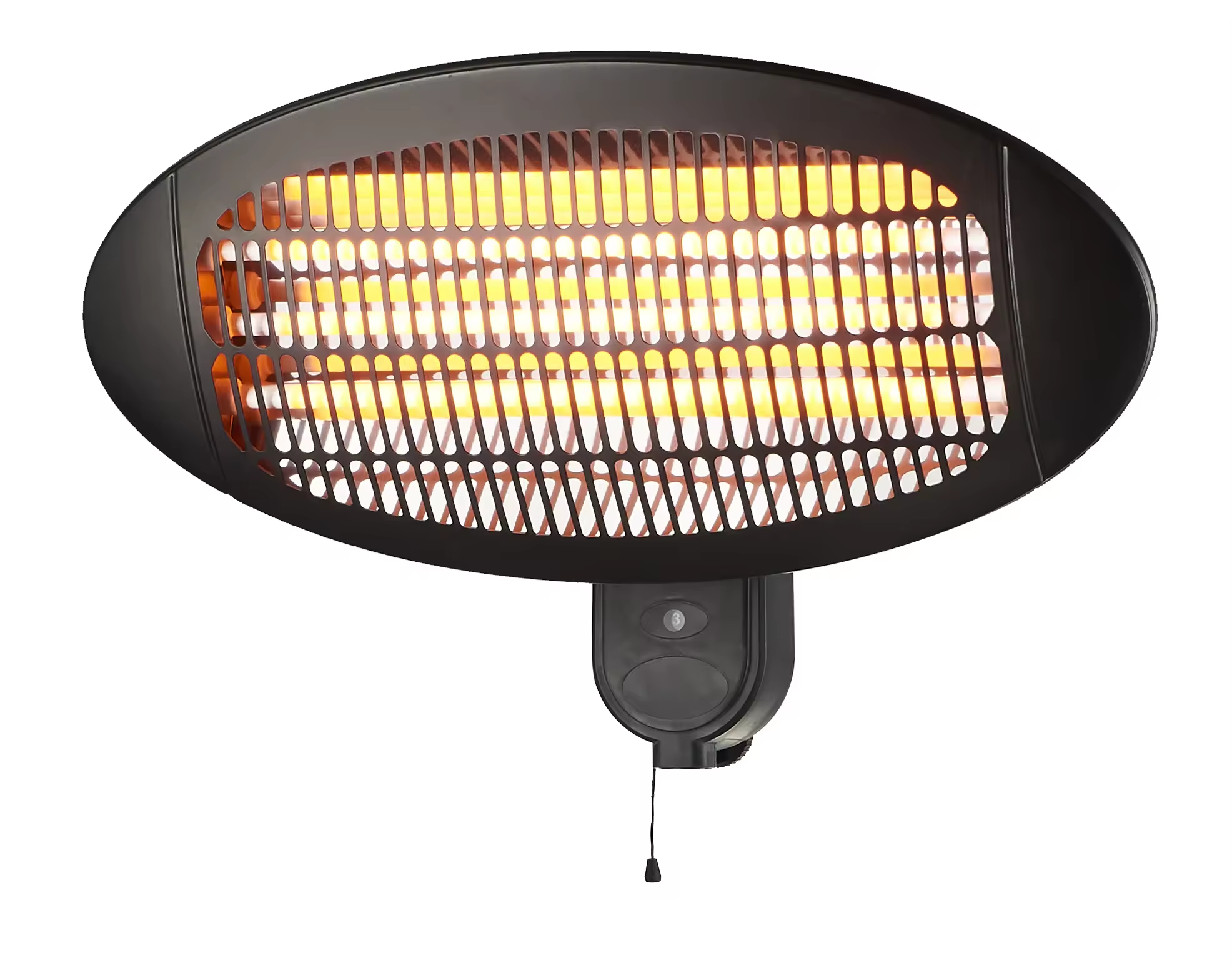
We’ve all been there. You step out of a steaming hot shower into a bathroom that feels like a walk-in freezer. To fix this, most of us rely on those old-school “light heaters”—the ones with the quartz halogen tubes. The problem? They’re fragile. One stray droplet of water or a bit of heavy steam hits that scorching glass, and pop. There goes your bulb. That’s why more people are switching to waterproof infrared panels. Instead of leaving the heating element exposed to the chaos of a humid bathroom, these units keep everything tucked away and protected. How it actually works (without the textbook talk) Usually, those old lamps fail because water leaks in, causing a short or just shocking the glass until it cracks. The newer infrared setups fix this by sealing the emitter inside a shield of tempered glass or ceramic. Think of it like a protective bubble. The moisture stays out, but the heat—specifically short-wave infrared radiation—zips right through the shield. You get the warmth you want without worrying about a short circuit. The feeling of “Instant Warmth” Here is the big difference: traditional lamps try to heat the air. But air is slippery; it moves. If you have a drafty bathroom, that heat just vanishes. Infrared is different. It heats you. It’s an immediate, cozy warmth on your skin the second you flip the switch. It’s fast. Really fast. There is one catch, though. These units are a bit chunkier than a simple lightbulb. Because of the sealing gaskets and the heat sinks needed to keep things safe, you’ll need a bit more depth in your ceiling to make them fit. Getting it installed and keeping it clean If you’re swapping an old unit for one of these, the wiring is usually pretty standard. But a quick heads-up: check your circuit breaker. These heaters can pull a lot of power the moment they kick in. If your wiring is too thin, you’ll be tripping the breaker every time you want to stay warm. The best part? Maintenance is basically zero. Since the elements are shielded, you don’t have to deal with soap scum or lime scale baking onto the bulb. You just wipe the outer glass with a cloth and you’re done. And if the core ever does wear out years down the road, you can just swap the module without having to tear your entire ceiling apart.