
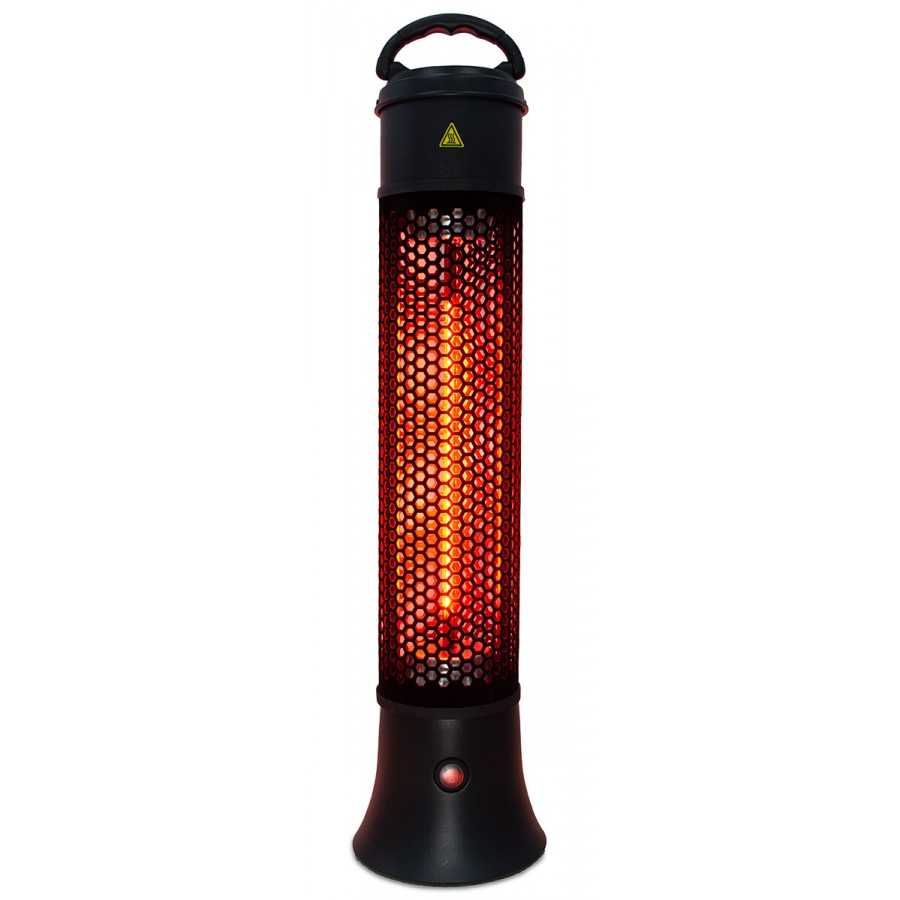
Why You Can’t Cut Corners With Quartz Tubes in the Bathroom
Think about your bathroom. It’s a mess of steam, random water splashes, and wild temperature swings. It’s basically a torture chamber for electronics. If you put a standard infrared lamp in there, you’re asking for trouble. That’s why we stick with explosion-proof quartz glass. Because when a stray drop of cold water hits a filament that’s glowing red-hot? Things can get ugly fast. The “Pop” Factor Here is the thing about heat. Quartz is great—it handles temperature changes better than most—but it has its limits. Imagine a lamp running at 800°C. Now imagine a tiny droplet of water landing right on it. That spot cools down instantly while the rest of the tube is still screaming hot. That creates a massive amount of stress on the glass. Without a specialized coating or the right tempering, the tube just… bursts. We make sure our tubes can take that hit without losing their seal or shattering. What’s actually inside? We use high-purity synthetic quartz. The cool part is that it lets short-wave infrared radiation pass right through. Instead of the glass getting hot, the heat goes straight to you. It’s a much more efficient way to warm up. When we say “explosion-proof,” it doesn’t mean it’s indestructible. It just means there’s a reinforced wall or a special outer layer. If the inner seal ever fails, the glass stays contained. You won’t have shards flying across your bathroom floor. Getting it right Fitting these into a waterproof housing is a bit of a balancing act. You need a tight, IP-rated seal around the connectors. If you don’t, steam will sneak in and eat away at your terminals via corrosion. And a word of advice on power: sure, a 1000W tube warms up the room in seconds. But that much heat creates a huge temperature gap. If you cram a high-power lamp into a cheap plastic shell, that plastic is going to warp. You can’t just slap a powerhouse lamp into a budget housing and expect it to survive the winter. It just doesn’t work that way.