

Making Your Workshop Heaters Actually Smart
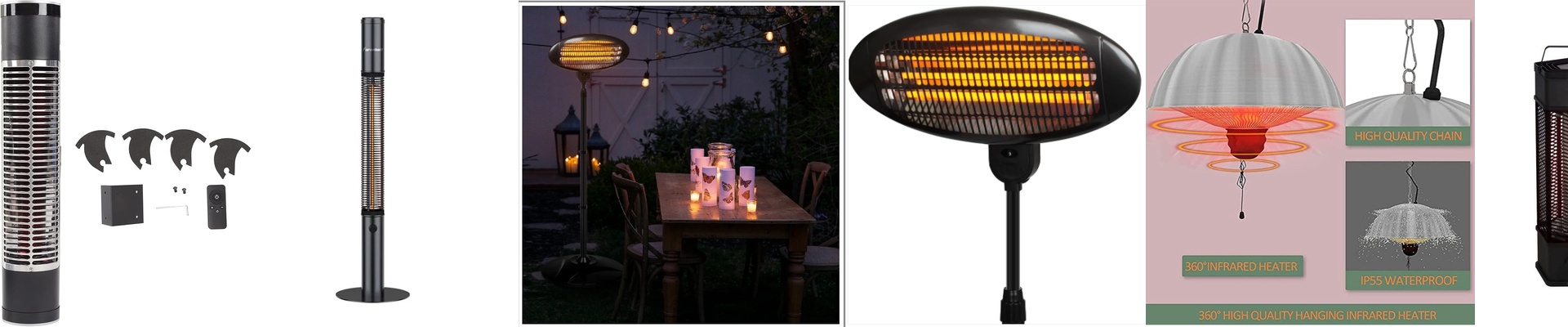
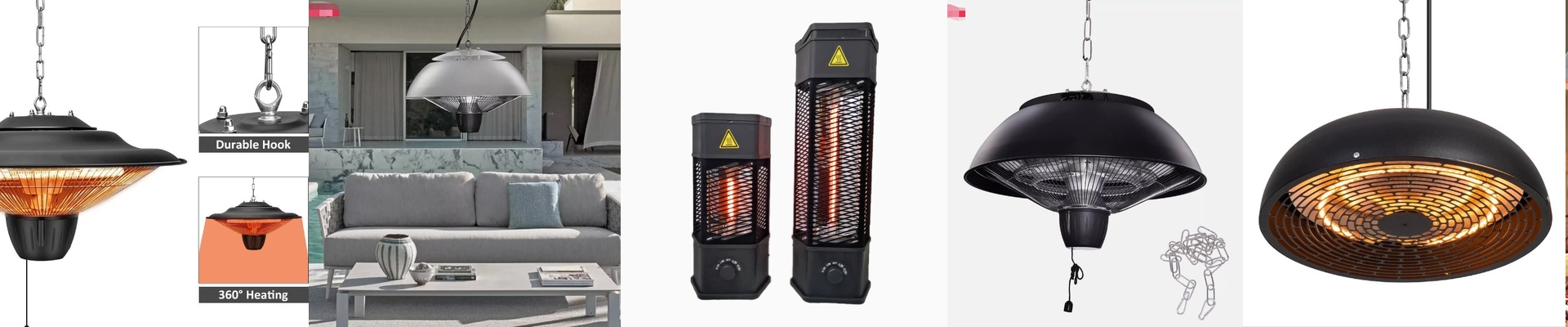
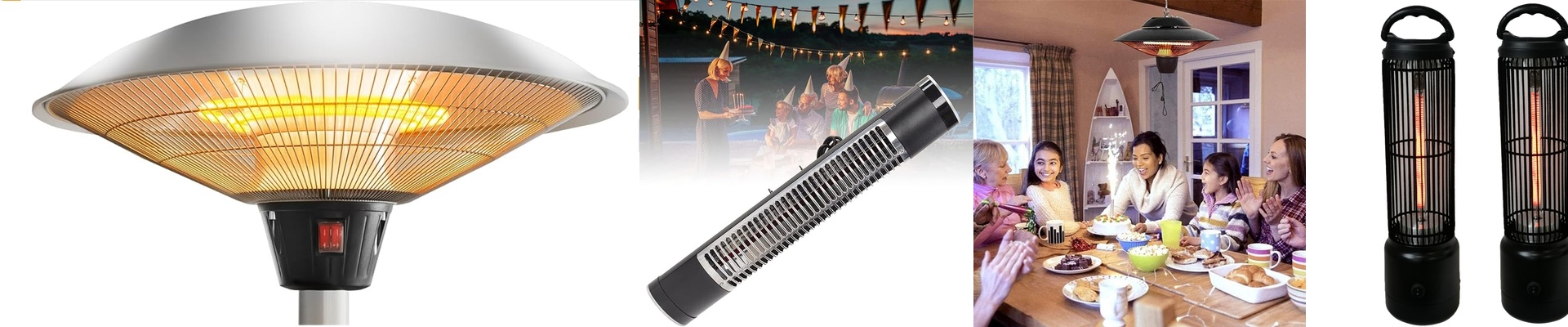
If you’ve ever stepped into a freezing workshop on a Tuesday morning, you know the struggle. You turn on the heat, and then you wait. And wait. Because most heaters just try to warm up the air, which usually just floats straight up to the ceiling while your toes stay frozen. Infrared ceiling heaters are different. They don’t mess around with the air; they send heat straight down to your floor, your tools, and your skin. It’s like stepping into a patch of sunlight. But the real magic happens when you stop flipping manual switches and connect them to a smart system. The “Warm Before You Get There” Trick Imagine hitting a button on your phone while you’re still finishing your coffee in the kitchen. By the time you walk into the garage, the place is already cozy. We do this by using smart relays or breakers to bridge the gap between your phone and the high-voltage wiring. Since infrared lamps heat up in a matter of seconds, there’s no lag. You’re not waiting an hour for the room to “warm up”—you’re just warm. The Gear (And How Not to Melt Your Switch) Here is a pro tip:Do notplug a 5kW heater directly into a tiny smart switch. You’ll fry the thing instantly. Instead, we use the smart switch to trigger a heavy-duty contactor. Think of the contactor as the “muscle” and the smart switch as the “brain.” The brain tells the muscle to close the circuit, and the heater kicks on safely. To save a bit of money on the electric bill, we usually toss in some PIR motion sensors. That way, if you’re only working at the workbench, the heaters in the far corner of the shop stay off. No point in heating an empty room. A Few Things to Watch Out For It’s not all plug-and-play. If your workshop has a thick metal roof, your Wi-Fi might struggle to get through. If the signal is weak, that “one-touch” button becomes a “wait-ten-seconds-and-hope” button. Also, don’t let your automation go wild. If the heaters are clicking on and off every two minutes, you’re going to burn out the filaments. I always suggest adding a “buffer” in the settings—a minimum run time—so the lamps can breathe and last a lot longer.