
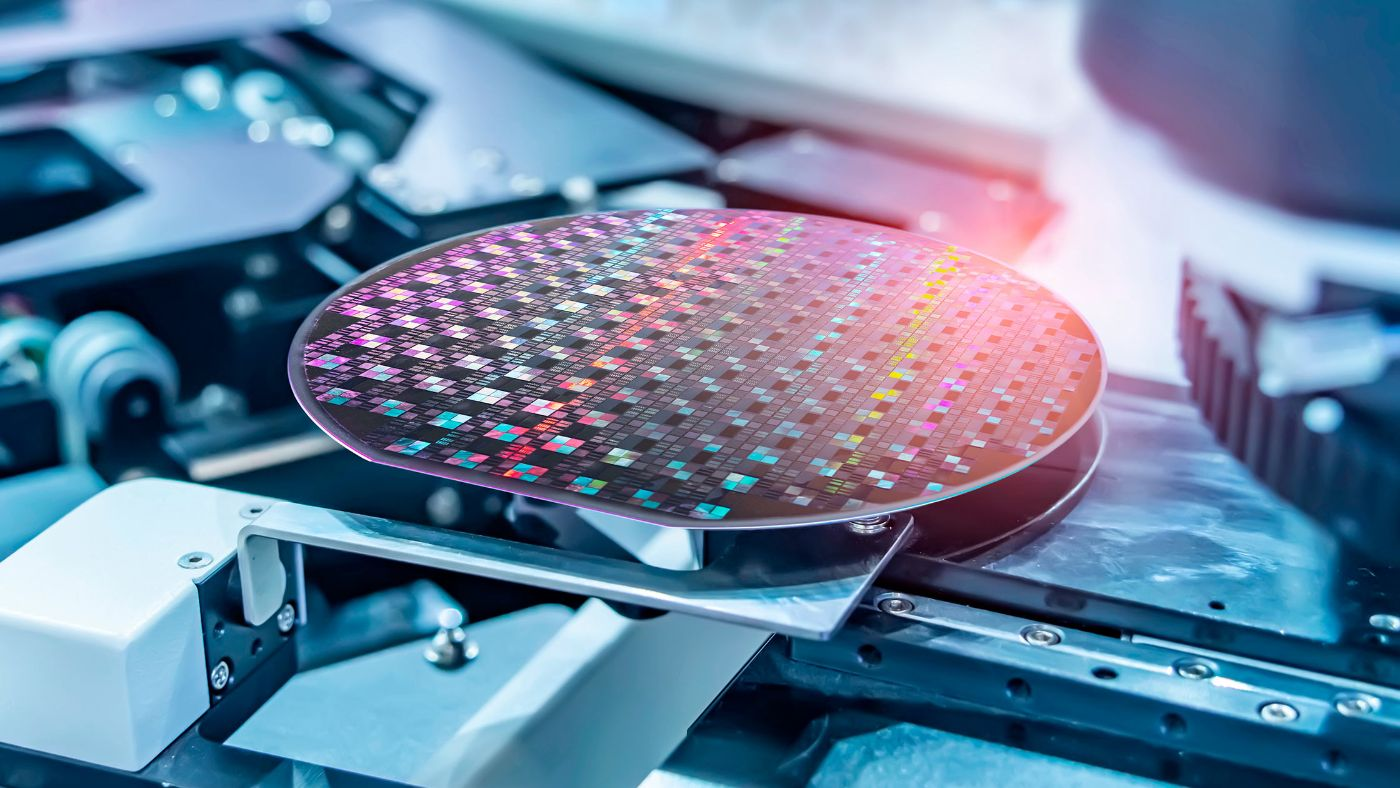
Why your smart Fab needs to ditch the old ovens
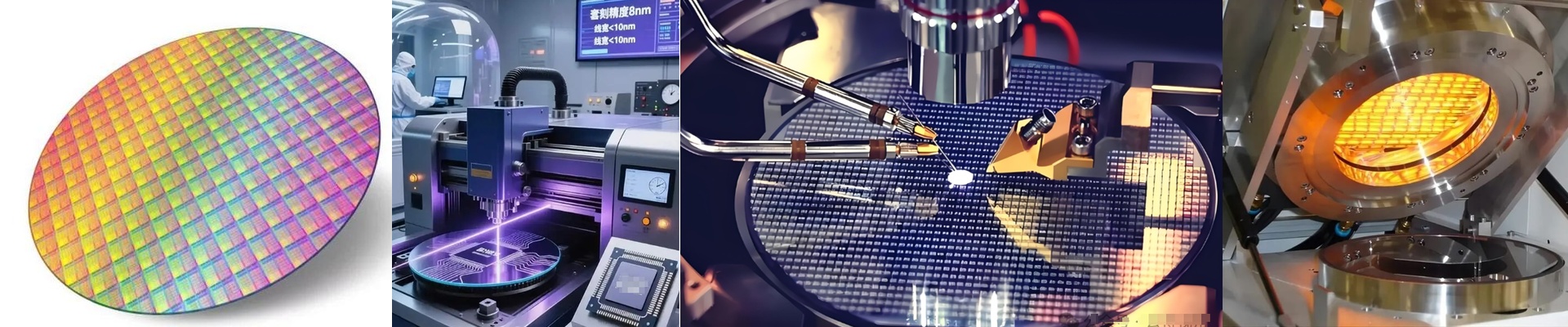
If you’re planning a smart Fab, the first thing you’ve got to do is stop relying on those old-school convection ovens. Whenever we look at how a plant handles heat for drying, we always push for infrared (IR) systems. Why? Because they actually fit the way modern, data-driven factories are supposed to work. Getting a grip on your heat Digital production is all about the numbers. You need to know exactly what’s happening at every second. With IR, you can tweak the heat using PWM or SCR controllers, which basically lets you track exactly how much energy is hitting every single wafer. Think about it: hot air is clumsy. IR energy goes straight to the target. It’s faster. It’s leaner. And it saves you a ton of precious space on your cleanroom floor. Making the hardware “talk” A Fab isn’t really “smart” unless your heating source and your sensors are on the same page. We hook up IR emitters to closed-loop pyrometers so the system can “see” the surface temperature in real-time. If it gets too hot, the power drops instantly. No more worrying about that annoying temperature overshoot you get with traditional heaters. You get a thermal profile that’s consistent every single time—and you’ve got the logs to prove it if quality control comes knocking. The real-world trade-offs Now, it’s not all magic. High-density IR arrays move a lot of product, but they’re hungry for power. You’ll need to make sure your power supplies can handle that initial surge when things kick on. And a word of advice: don’t skimp on the cooling fans. If they’re too small, the heat soak from the lamps can bleed into your electronics and cause some real headaches. The secret sauce, though, is the wavelength. We spend a lot of time matching the wavelength to your specific material. Short-wave IR digs deep into thicker substrates. Mid-wave is your go-to for surface drying. When you match the emitter to the material, you stop wasting energy heating up the walls of the chamber. That’s where you actually start seeing the bills go down.