
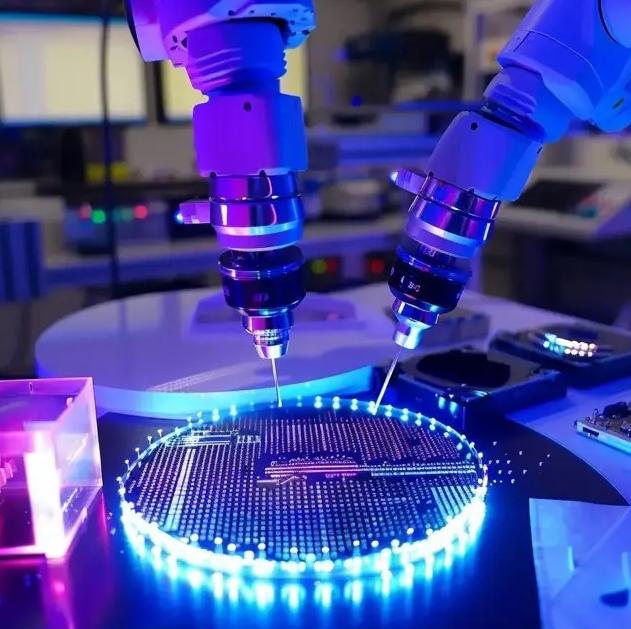
Getting Your MEMS Wafers Dry Without the Headache
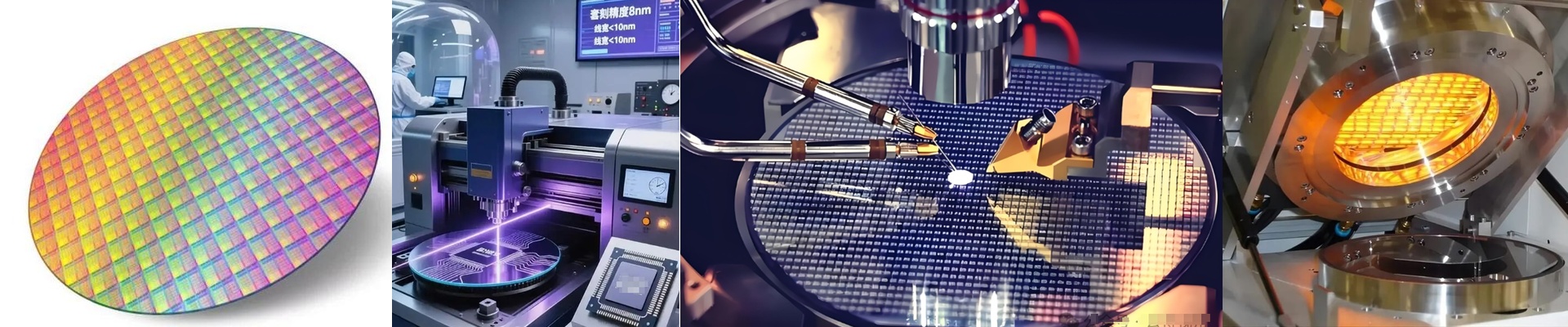
Drying MEMS sensor wafers is a bit of a balancing act. You need the water gone—and fast—but if you just blast it with heat, you risk warping the wafer or contaminating the whole batch. The secret is making sure the heat actually goes where it’s supposed to. Most machines waste a ton of energy heating up the metal chassis. We fix that by pairing specialized infrared heaters with gold-coated reflectors. Why gold? Look, aluminum is the standard, but it’s not great. It absorbs too much of that infrared energy. Gold is different. In the near-infrared spectrum, it reflects over 98% of the energy. Instead of a messy cloud of heat floating around your machine, the gold layer bounces those photons straight back onto the wafer. It’s like using a magnifying glass instead of a lightbulb. You get a much more intense heat hit right where you need it, without having to crank up the power on your lamps. The tricky part: Heat and Power When you’re picking out these heaters, you have to get the wattage and the surface area just right. High-wattage lamps are great for speeding up your throughput, but they get hot. Really hot. If your cooling system can’t keep up with the heat building up around the housing, you’re going to have problems—think warped brackets or fried sensors. That’s why we spend so much time calibrating the focal point. We make sure the “sweet spot” of the heat lands exactly on the wafer plane. Keeping things running These are designed to be simple drop-in replacements for your standard IR arrays. We’ve focused heavily on the gap between the emitter and the reflector because that’s where “dead zones” happen—those annoying spots where heat just pools and does nothing. One quick heads-up: gold is soft. It doesn’t handle rough scrubbing the way aluminum does. If you use harsh, abrasive cleaners, you’ll scratch the surface. Once that happens, your efficiency drops and your power bill goes up. Stick to the approved optical cleaners and you’ll be fine.