Stop Letting Your Patio Go to Waste This Winter
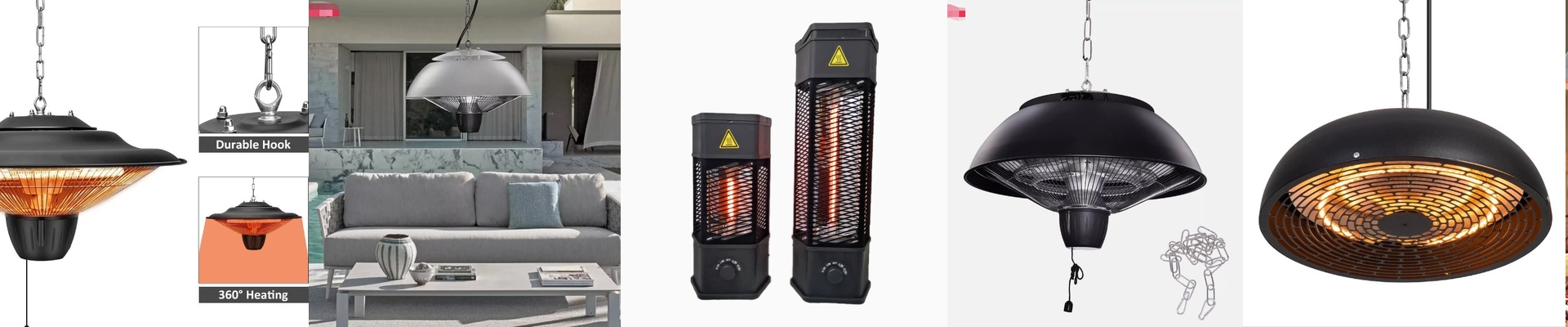
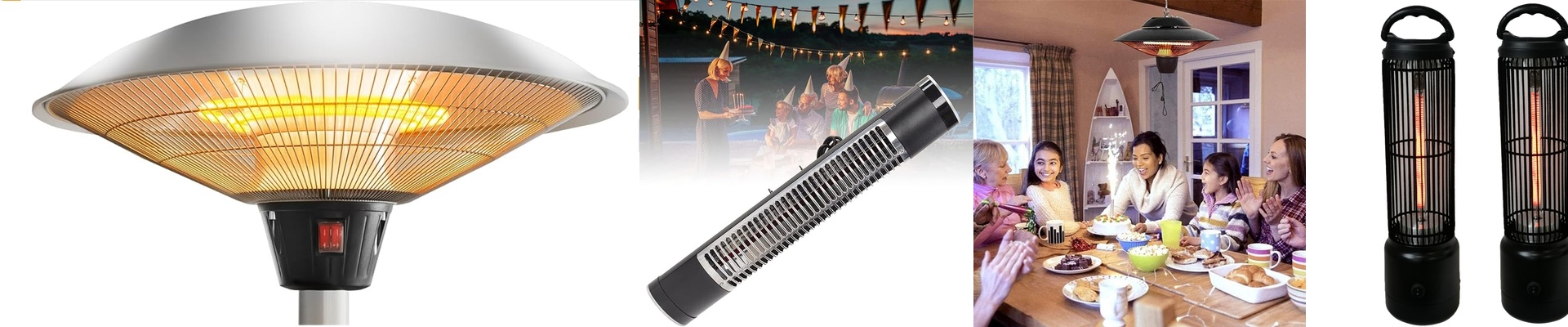
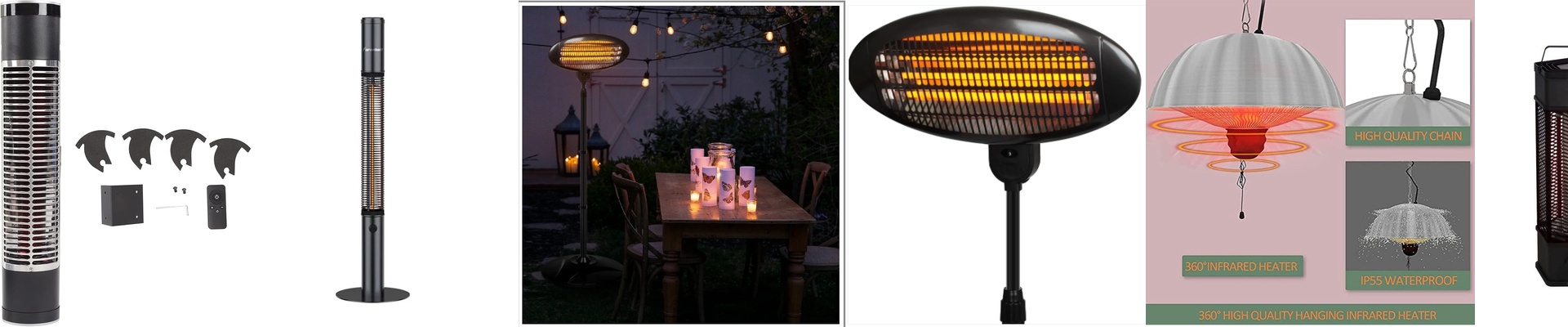
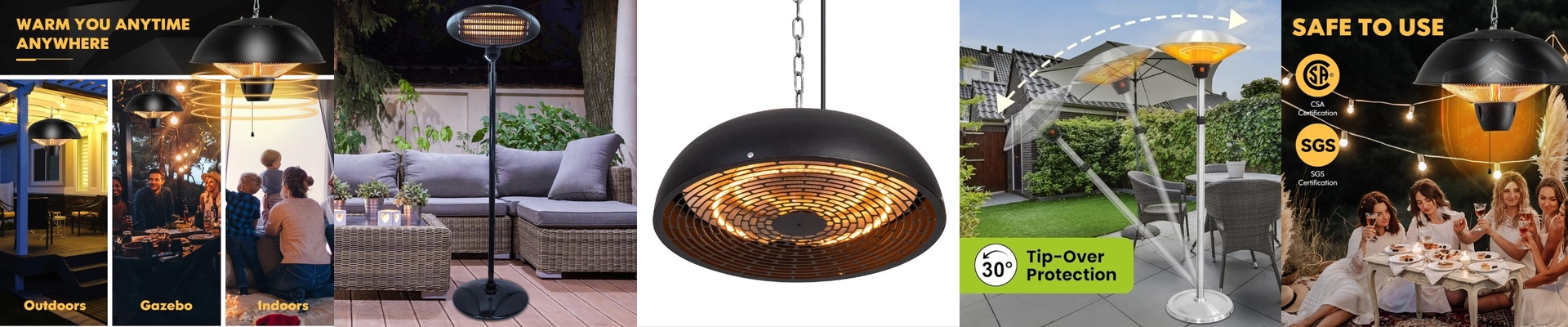
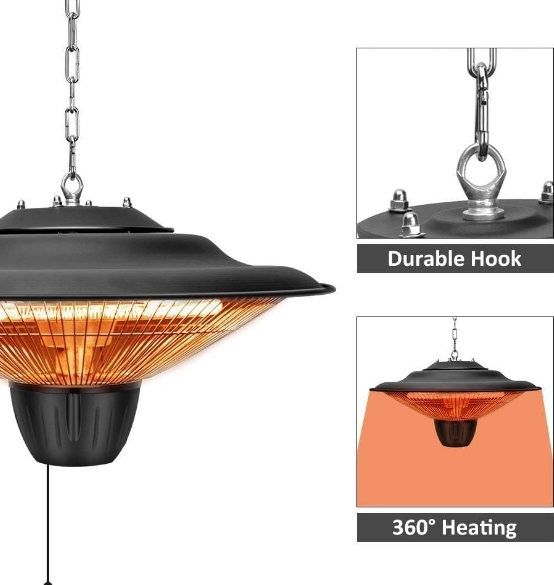
It’s a shame to see a great outdoor dining area just sitting there empty the moment the temperature dips. Most people try to fight the cold with standard space heaters, but here’s the problem: they try to heat the air. In an open-air setting, that warm air just floats away. You’re basically paying to heat the sidewalk. That’s why we use shortwave infrared. Instead of fighting the wind, these heaters beam warmth directly onto your guests and their chairs. It feels like sitting in a patch of sunlight on a crisp autumn day. Your customers stay warm, even when the air around them is freezing.
Rain, Snow, and the “IP44” Thing
You might be wondering if these things can actually handle the elements. They can. We use units with an IP44 rating, which is just a fancy way of saying they’re built for the outdoors. They can handle splashes of water and light snow without any drama. You can tuck them under your awnings or eaves and stop worrying about a little rain causing a short circuit. The best part? The heat is focused. We create a “warm zone” right over the table. You aren’t wasting electricity trying to warm up the entire street—just the people paying for the meal.
The Bottom Line: Happy Guests Stay Longer
Think about it. A shivering customer wants to get the check and get inside. But a warm, cozy customer? They’re much more likely to stick around for that second glass of wine or a slice of cake. When your patio feels inviting, people don’t mind waiting a few extra minutes for a table. Plus, you get to keep your outdoor section open for an extra three or four months a year. That’s a lot of extra revenue you’d otherwise be leaving on the table.
One Quick Warning on Setup
Before you go all-in, have a chat with your electrician. These heaters pull a lot of power. If you try to plug too many of them into an old circuit, you’re going to trip the breaker right in the middle of a Friday night rush. Just make sure your electrical panel can handle the load before you start scaling up. It’s a small detail, but it saves a huge headache later.