
Keeping Things Safe When Using Infrared Heat Around Chemicals
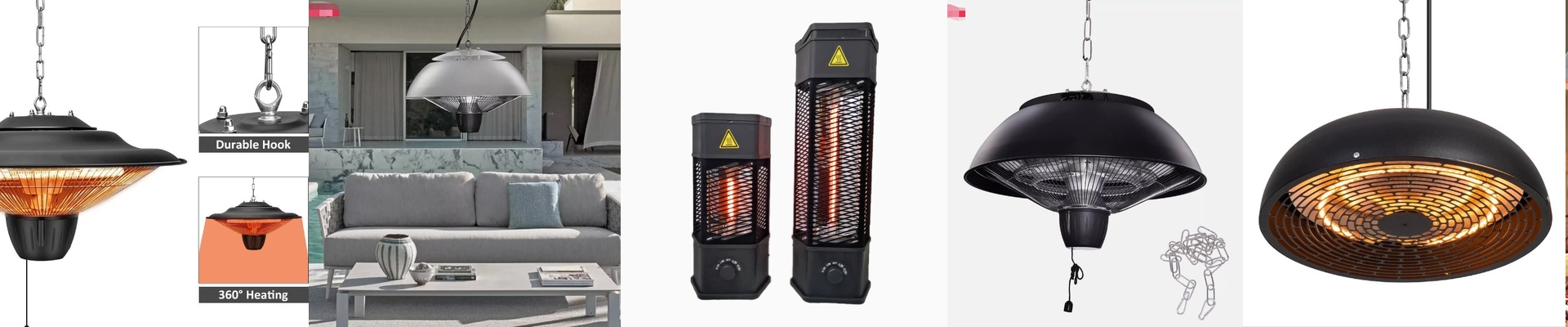
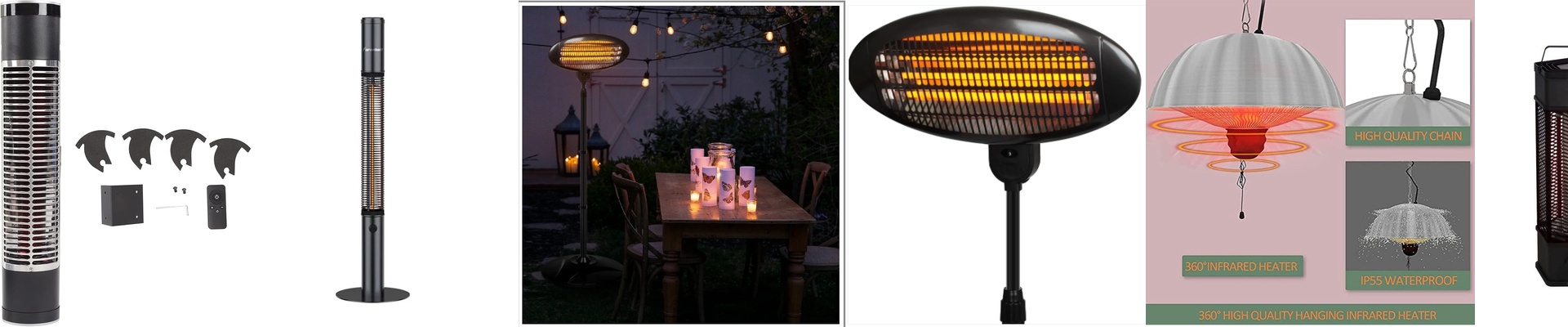
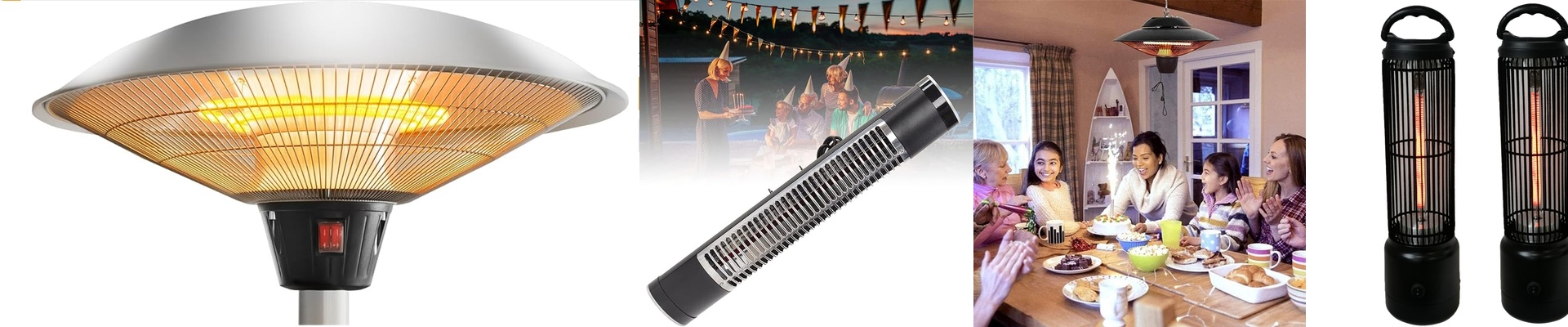
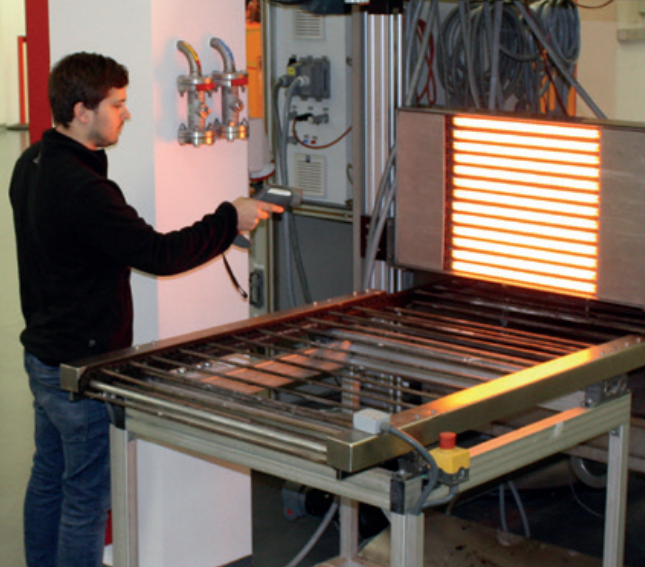
If you’re running chemical cleaning lines, you already know the deal: solvent vapors are everywhere, and they love to ignite. Throwing a standard infrared bulb into that mix isn’t just a bad idea—it’s a disaster waiting to happen. That’s why we build our gold-reflector lamps with a very specific kind of shell. We want to make sure the heating element never becomes the spark that blows the roof off. Why the gold? It’s not about looking fancy. Gold is just the best at reflecting infrared radiation. It forces the heat straight forward onto your part instead of letting it soak back into the lamp housing. Because we’re pushing all that thermal energy forward, the outer enclosure stays much cooler. And when the housing stays cool, you aren’t risking a hit to the flash point of those chemical vapors floating around your shop. It’s a simple fix that saves a lot of stress. Sealing it tight Here’s the real danger: flammable gases sneaking into the electrical terminals. To stop that, we use a hermetic sealing process. We wrap the lamp in a tough quartz or glass envelope and then tuck that inside a flame-proof enclosure. We also use high-temp gaskets at every connection point. If a seal fails, vapor gets in. Then the lamp either burns out or, in a worst-case scenario, triggers an explosion. We don’t let that happen. The trade-off Now, I’ll be honest with you. These safety layers come with a small price. Since there’s more material between the filament and your target, you’ll notice the raw heat isn’t quite as intense as it would be with an open-air bulb. It’s a bit softer. You’ll just need to tweak your conveyor speed or give your parts a little more dwell time to make up for it. It’s a small adjustment for a massive amount of peace of mind. We build these things to take a beating in corrosive environments. Just do me a favor: keep your ventilation running. You want those vapors pulled away from the heat source so they don’t build up on the lens. If the lens gets gunked up, the lamp can overheat and crack.