
Getting Bio-Sensor Heating Right (Without Wasting Energy)
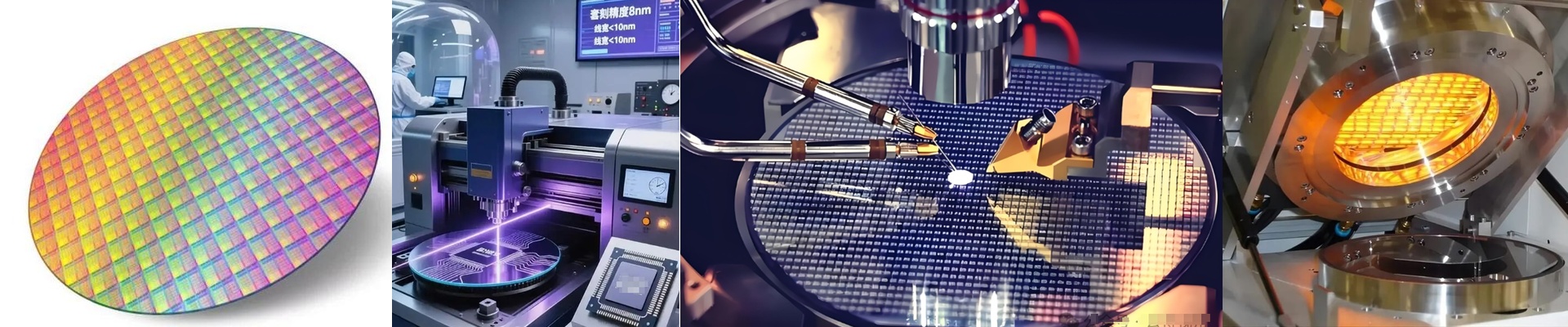
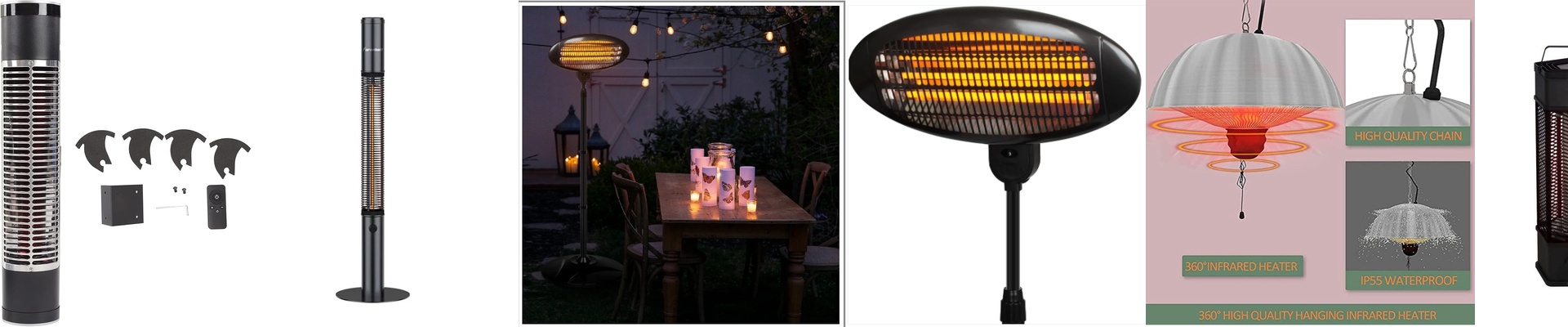
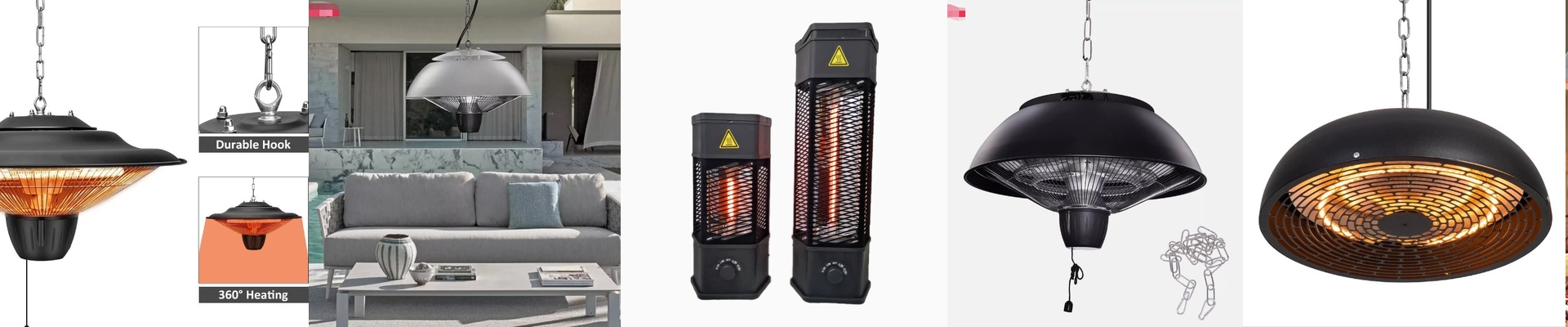
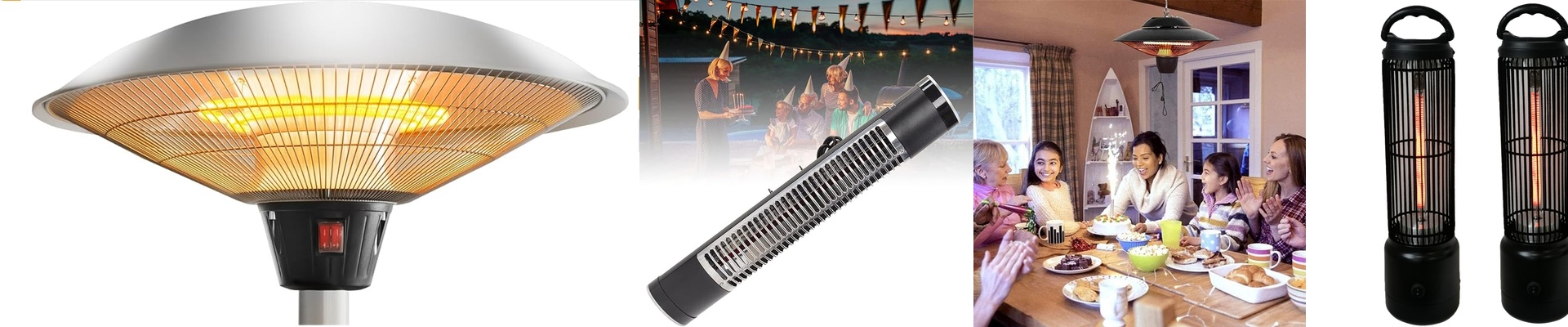
When you’re building bio-sensors, the heat is a balancing act. You need enough warmth to cure your polymers and get those chemical layers active, but if you overshoot it, you’ll fry your substrates. It’s a tight window. That’s why we’ve ditched the old-school convection ovens. Instead, we’re using short-wave IR lamps. Think of it like the difference between heating a whole room with a furnace just to warm up your hands, versus using a heat lamp. You stop wasting energy heating the air and the metal shell of a giant machine. The trick is all in the energy load. With IR lamps, the energy travels via radiation. It hits the target directly. No waiting around. No idling for an hour while a chamber preheats. You just flick the switch, the lamp draws power for the actual curing cycle, and you’re done. Your kWh per wafer drops because you aren’t fighting the “thermal mass” of a big, heavy oven. Now, the gear matters. We usually go with quartz envelopes and specific coatings. Why? Because we need the energy to actually sink into the bio-active layer rather than just bouncing off the surface. One heads-up: your power supply has to be rock solid. If your voltage flickers, your temperature spikes. And in this business, a tiny spike can ruin a sensor. If you’re trying to build a “Green Factory,” this is the way to go. Just pair the lamps with a fast PID controller and set them up in a zoned array. That way, if the line isn’t full, you can just shut down the zones you aren’t using. Simple. It’s not without its quirks, though. These lamps put out a massive amount of heat flux. That means your cooling fans are going to be working hard. If your exhaust isn’t dialed in, that ambient heat can bleed over and warp your sensor housing. Basically, you’re trading the cost of a massive oven for the cost of targeted radiation and some localized cooling. For most of us, that’s a win for the carbon footprint—as long as you keep the air moving.