
Stop Your Equipment From Turning Into an Oven
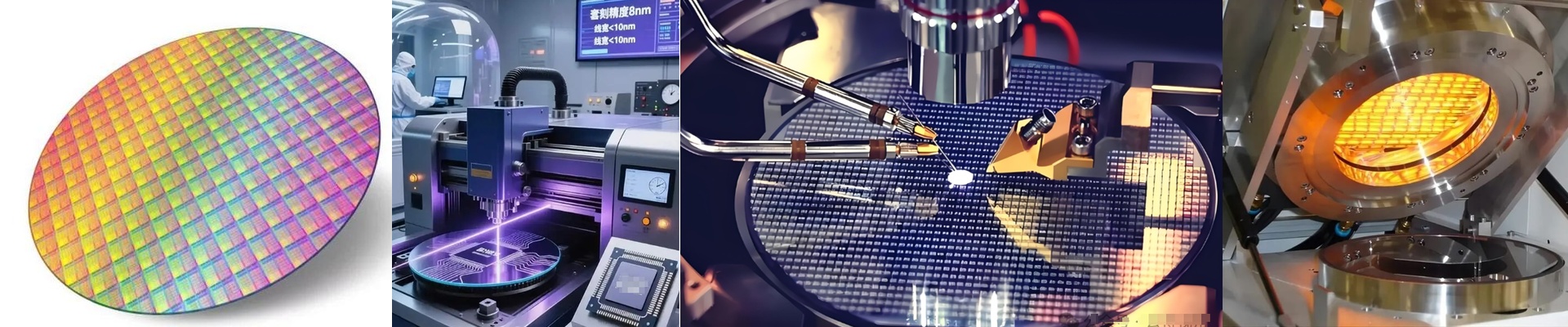
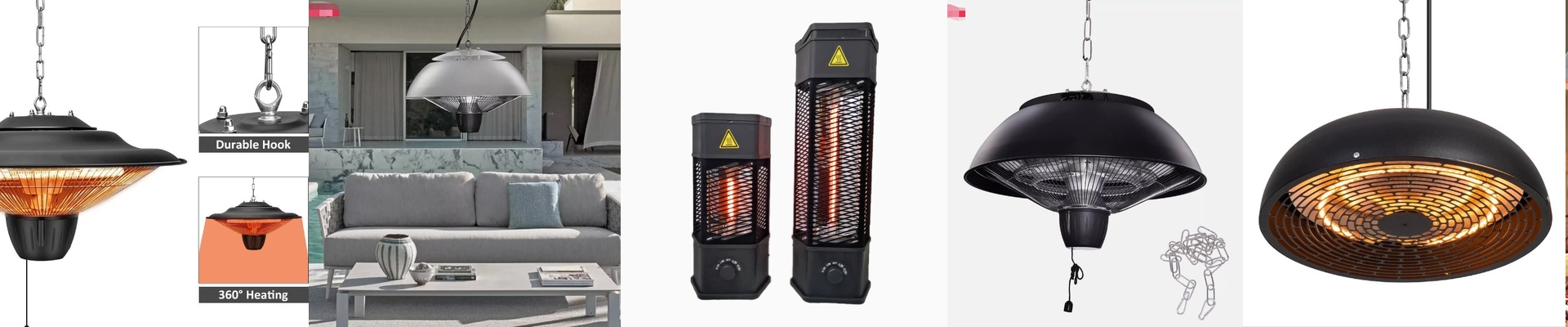
Here’s the problem with IR lamps: they blast heat in every single direction. When you’re working with a tight semiconductor footprint, that’s a nightmare. Without a reflector, about half of your energy is just hitting the inner walls of your machine. It’s a waste. Worse, it makes the chassis hot enough to actually burn your operators and kills your components way faster than they should die. We fix this by using precision aluminum reflectors. Basically, we force the heat to go exactly where it’s supposed to, and nowhere else.
How it actually works
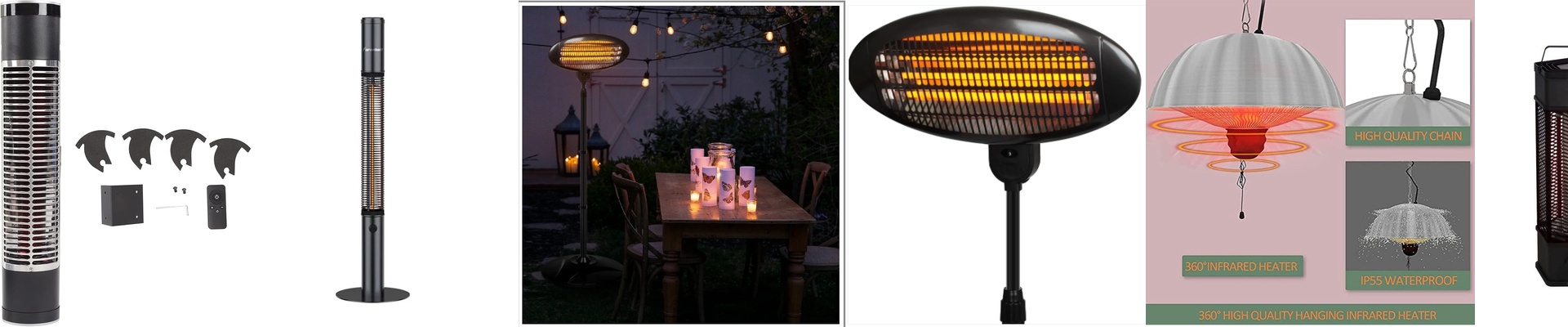
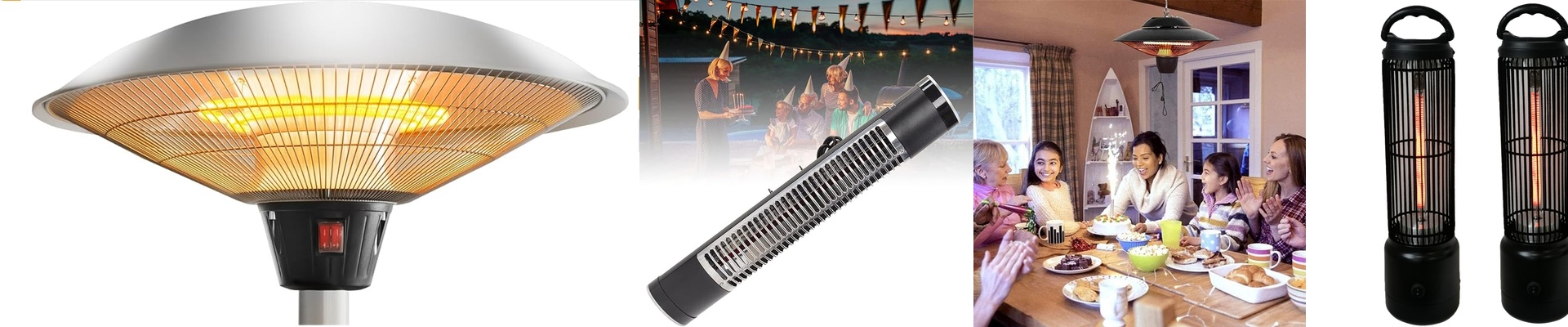
Think of it as bouncing the infrared waves back toward your workpiece. We stick with high-purity aluminum because it’s great at reflecting short and medium-wave IR. By curving the reflector into a parabolic or elliptical shape, we turn a messy, radial heat source into a focused beam. It stops that “waste heat” from soaking into the frame of your equipment.
Why this makes your life easier
When you build your system with integrated reflectors, the inside of your machine just stays cooler. Your cooling fans don’t have to scream at full blast all day. And the outer skin of the tool stays at a temperature that won’t scare people away. You get a much higher heat density on your wafer or substrate, but the cabinet itself doesn’t feel like a sauna.
The honest trade-offs
Now, reflectors aren’t a magic wand. They do add some bulk to the lamp assembly. You might have to tweak your mounting brackets to make them fit. Also, aluminum isn’t invincible. It can oxidize, or dust can settle on the surface. Once that happens, your efficiency dips and the heat starts leaking back into the machine again. You’ll need to keep them clean to keep things running right. Just make sure you’ve got the right thermal shielding in place so the reflector doesn’t warp when you’re pushing it hard for long stretches.