
Keeping Things Safe When Using UHP Infrared Lamps in Volatile Spots
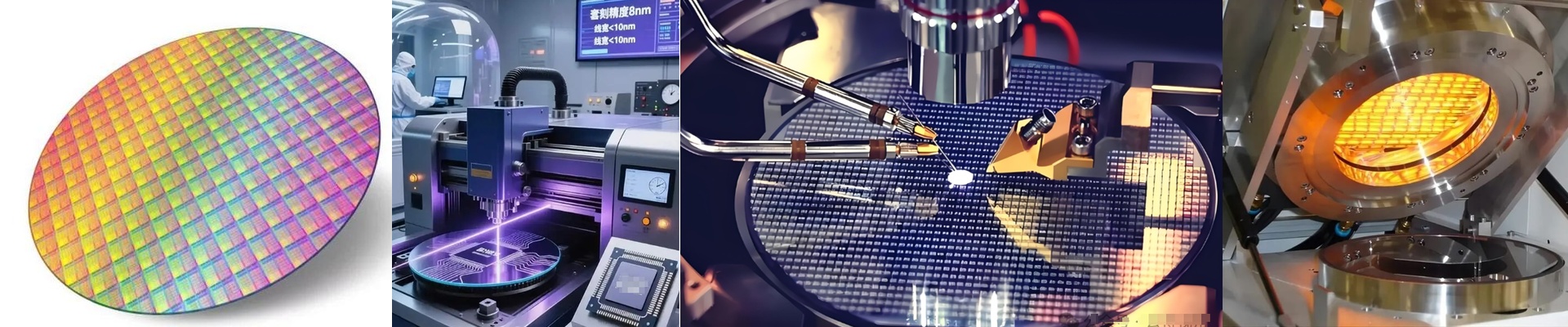
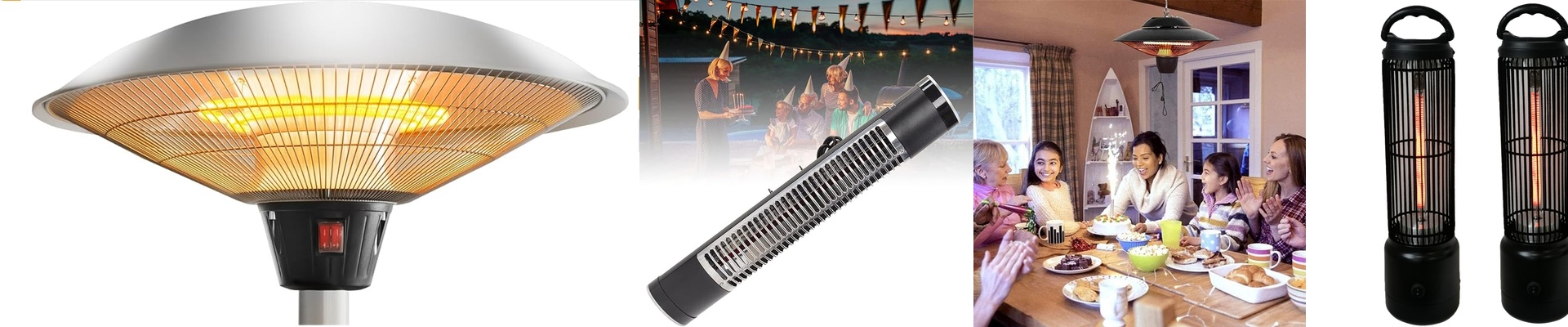
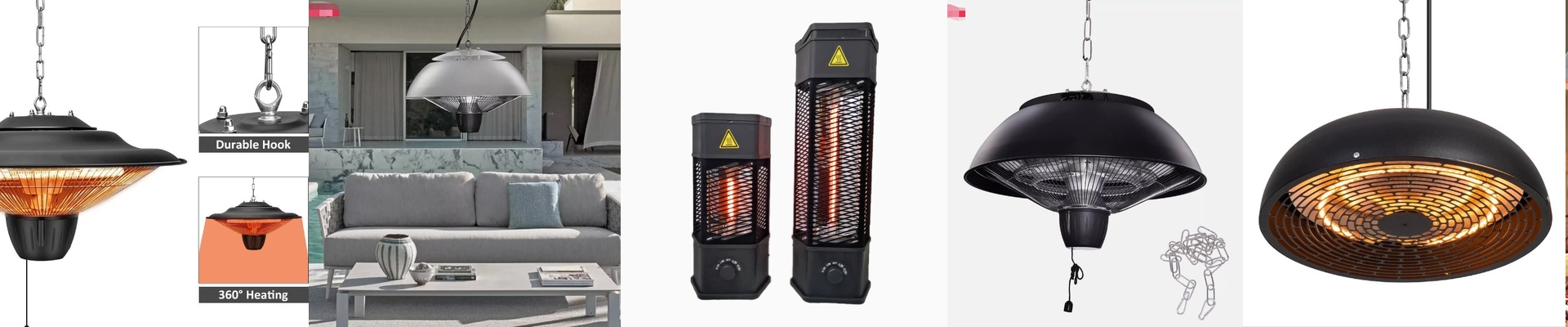
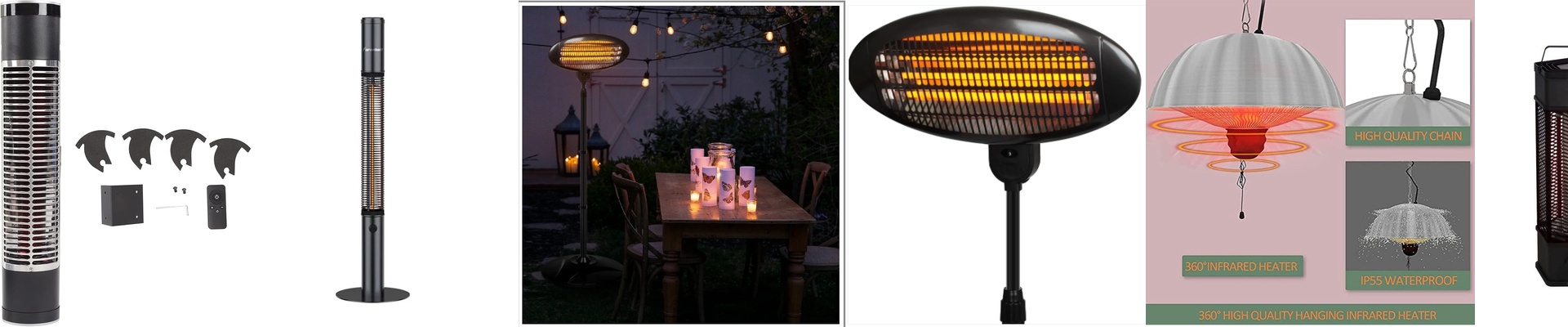
Let’s be honest: running infrared heaters in chemical cleaning zones is a bit like playing with fire. You’ve got flammable vapors floating around and corrosive liquids that want to eat through everything. One tiny spark or a hairline crack in a quartz envelope? That’s how you end up with a disaster on your hands. That’s why we build our Ultra High Purity (UHP) lamps the way we do. It’s all about containment and keeping the electricity far away from the mess. The secret is in the seal Standard lamps just aren’t built for this. They fall apart because the seals can’t handle the chemical onslaught. We do things differently. We use a hermetic encapsulation process—basically, we wrap the heating element in a chemically inert sleeve. This creates a physical wall between the lamp and the atmosphere. It stops volatile organic compounds (VOCs) from touching the hot quartz. Without that protection, corrosive liquids etch the glass, lead to electrical arcing, and the whole thing just burns out. It’s a much quieter way to operate. No surprises. Staying cool (and stable) You can’t have your heat spiking randomly. If the wattage jumps, you risk pushing the surrounding chemical bath right to its flash point. That’s a nightmare scenario. One thing to keep in mind: because of that protective sleeve, the heat doesn’t hit instantly like it would with a bare lamp. There’s a bit of thermal resistance there. If you’re setting up your control system, you’ll need to tweak your PID settings. Give it a moment to ramp up so you don’t overshoot your target temperature. Getting them into your system We made these as drop-in replacements, so they should fit right into your existing UHP setup without a headache. We spent a lot of time obsessing over the connection points. Why? Because that’s usually where the leaks start. We use reinforced gaskets and housings that don’t care about corrosion, which keeps those nasty fumes out of your wiring. If you’re running these 24/7, do yourself a favor and check the seals every quarter. It only takes a minute, but a leaky seal in a flammable environment is a risk you just don’t want to take.