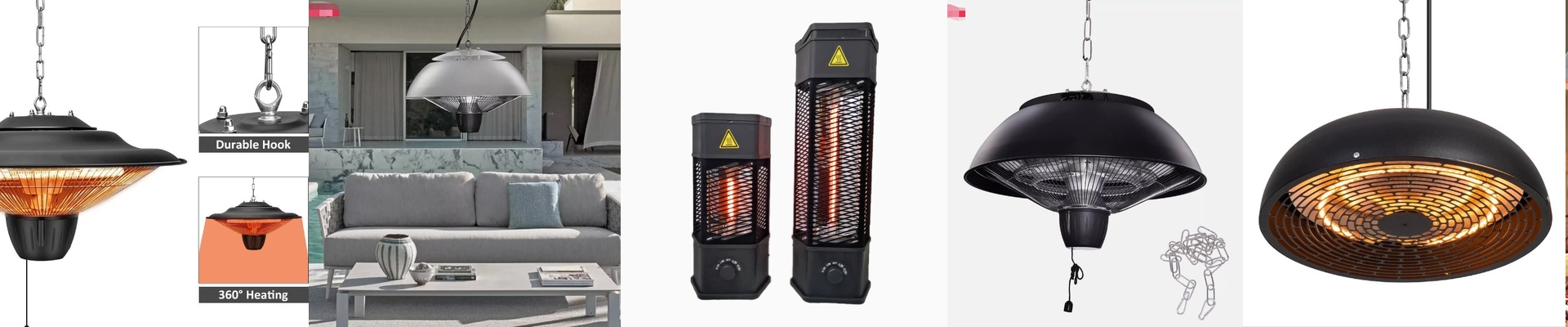


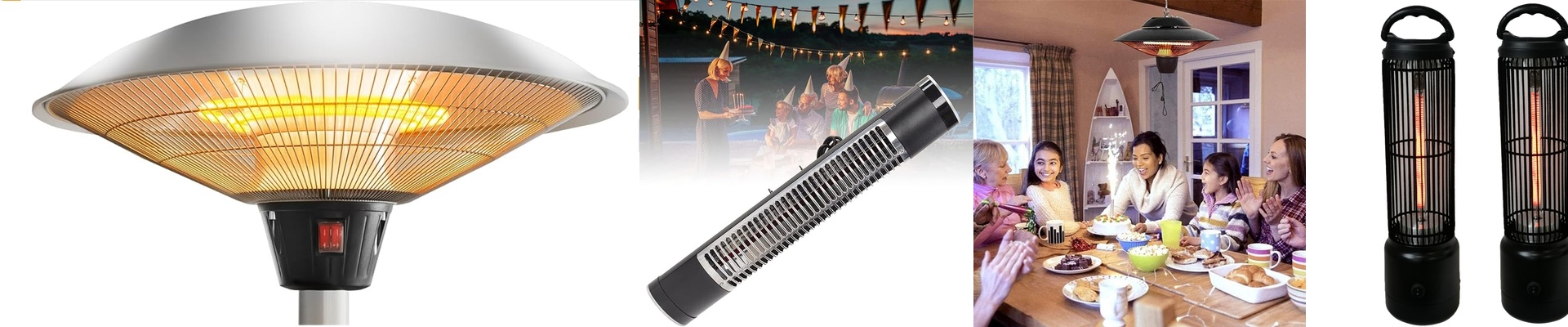
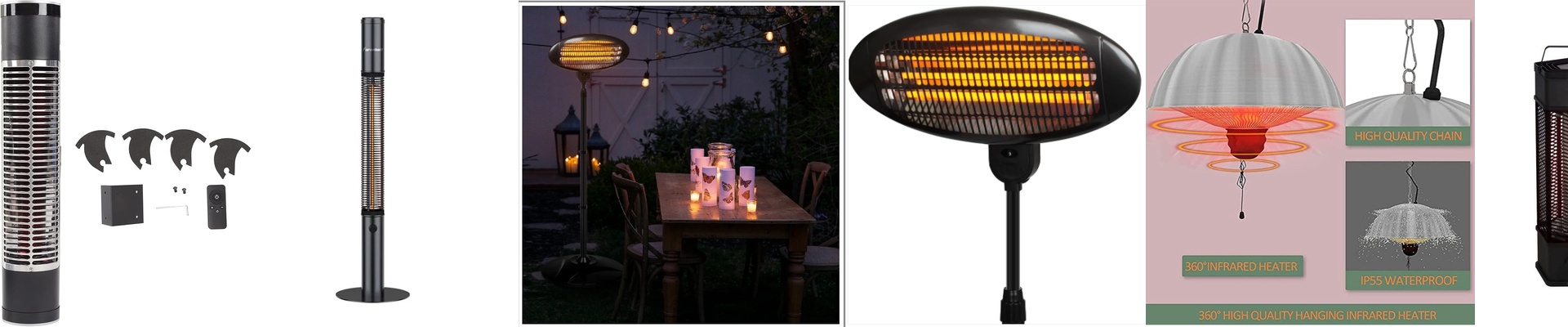
Why Your Outdoor Heater Won’t Quit on You (Even When It’s Pouring)
Let’s be honest: the outdoors is a nightmare for electronics. Between the humidity, the random rain showers, and that annoying morning mist, most heaters just aren’t built to last. They short out, they rust, and suddenly you’re staring at a dead piece of metal in the middle of January. We decided to fix that.
Dealing with the “Mist Problem”
Here is the thing about humidity: it creates these tiny micro-droplets that settle right on the heating element. When you flip the switch and the heater kicks in, those droplets evaporate instantly. It sounds harmless, but that sudden “thermal shock” is what actually kills the quartz tubes. It cracks them. It wears down the filament. To stop this, we use a sealed housing and a special anti-mist coating. It basically keeps the moisture from pooling on the emitter in the first place. The result? Your heat stays steady, and you aren’t replacing tubes every single year.
Keeping the Water Out
Water and electricity are a bad mix. Period. We don’t just hope for the best; we use specific IP ratings to make sure splashes don’t reach the electrical terminals. We’ve packed the wiring entry points with silicone gaskets and reinforced seals. It’s a huge deal if you live near the coast. Salt spray is brutal on wiring. These seals act like a shield, keeping the salt and dew from creeping into the circuitry and eating it from the inside out.
The Balancing Act: Air vs. Water
Now, you might think, “Just seal the whole thing in plastic!” But there’s a catch. If you seal a heater too tightly, the internal electronics can’t breathe. They overheat. So, we designed vented pathways. They’re clever little channels that let the heat escape from the inside while blocking water from getting in. Just a heads-up: make sure you leave a bit of breathing room when you mount the unit. Give it some space, and it’ll run perfectly. We spent a lot of time obsessing over these seals and coatings so you don’t have to. You get a heater that can take a beating from the weather and still keep you warm, without you having to call a technician every time the season changes.