
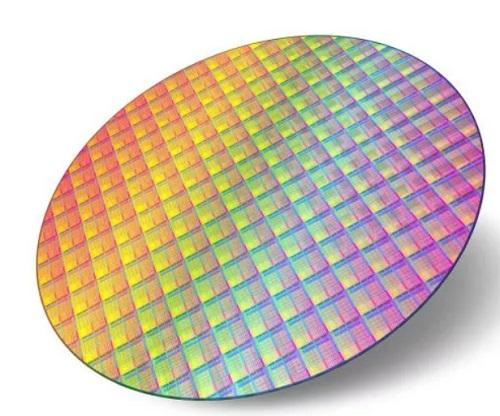
Why Gold Reflectors Actually Matter for Wafer Curing
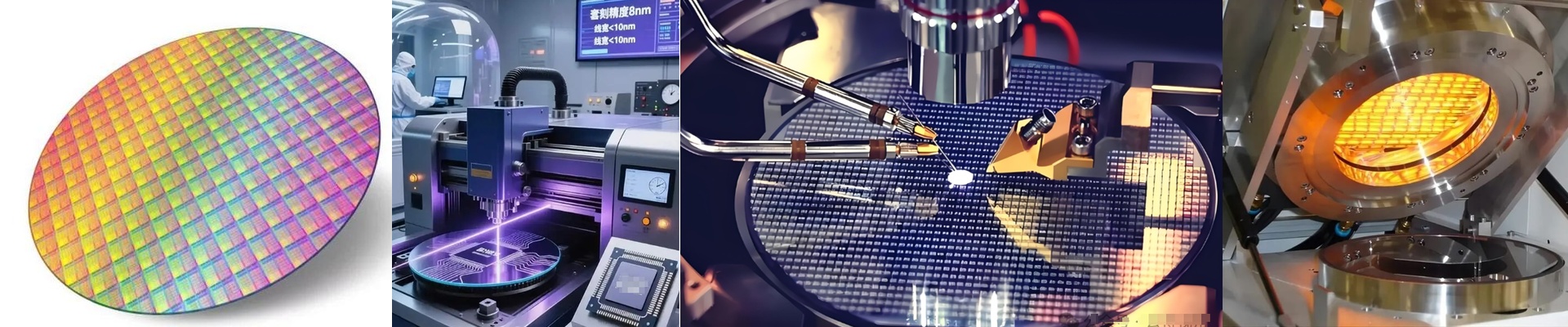
When you’re curing wafers, you’re not just “turning up the heat.” You’re basically playing a game of pinball with photons. Most people start with aluminum reflectors because they’re cheap. But here’s the problem: aluminum drinks up too much energy. It absorbs the heat instead of pushing it back. We use gold-coated reflectors because they don’t play that game. They bounce almost every single watt of infrared energy straight back onto the wafer where it belongs. The gold difference Gold is the gold standard for long-wave infrared for a reason. Aluminum is fine for a while, but it oxidizes. It gets tired. Its efficiency just tanks over time. Our gold-layer process keeps the Reflector cool while the wafer gets screaming hot. It’s a much tighter focus. You aren’t guessing if the heat is getting there; you know it is. Stopping the “Cold Spot” Headache There is nothing worse than pulling a wafer and finding cold spots. It kills your yield. We shape these reflectors specifically to kill those dead zones. By tweaking the curvature, we cram all that radiant flux into one spot. It means you hit your curing temp way faster. If you just throw a high-wattage lamp in a machine without a precision reflector, you’re basically paying to heat up the metal chassis of your equipment. Total waste. The Catch Now, look—gold is a precision tool, and it can be a bit moody. It hates contamination. If your cleanroom habits slip and some oil or chemicals land on the surface, your reflectivity drops. And please, don’t go in there with harsh solvents to scrub it. You’ll strip the coating right off. Treat it with care. Getting it on the Line When you’re wiring this into your line, double-check your lamp alignment. Seriously. If you’re off by even two millimeters, your focal point shifts and your curing becomes uneven. We designed these to be a drop-in fit, but do yourself a favor: verify the thermal expansion gaps. You don’t want your reflector warping after a long shift of high-heat loads.