
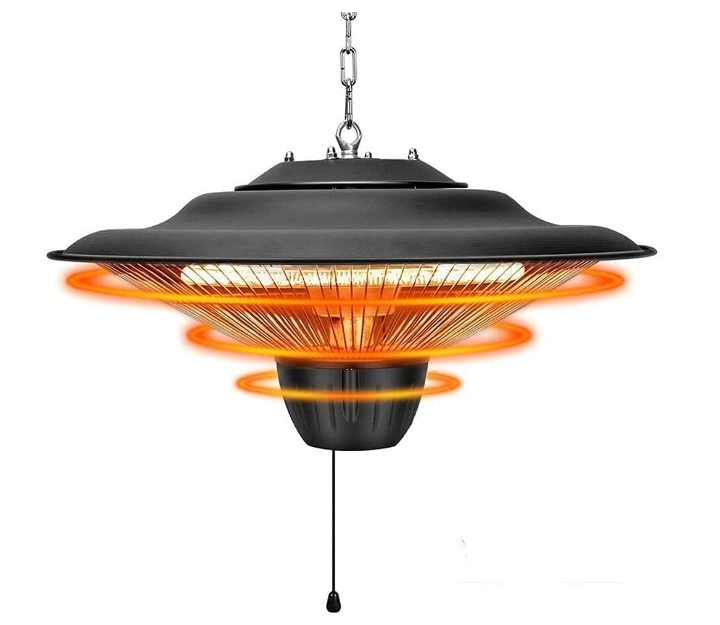
Getting Your Bathroom Heating Right (Without Tripping the Breaker)
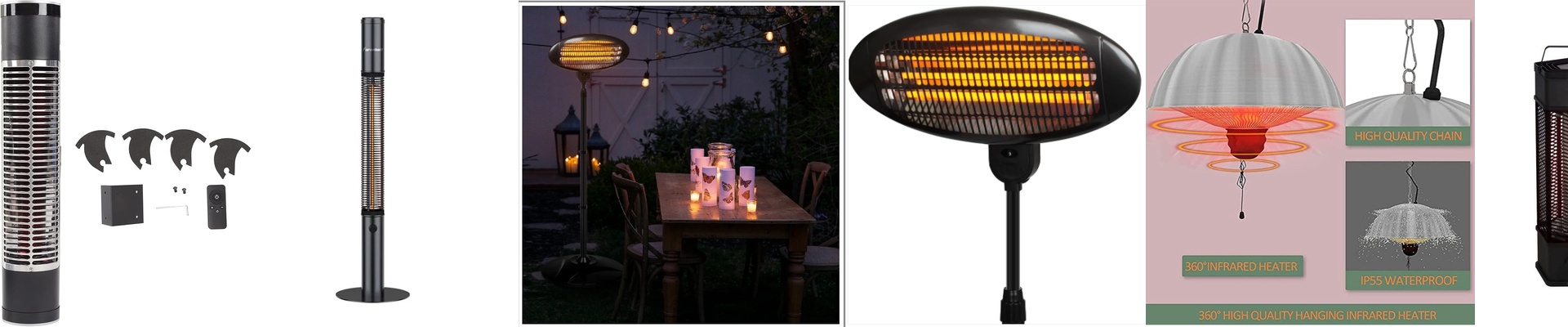
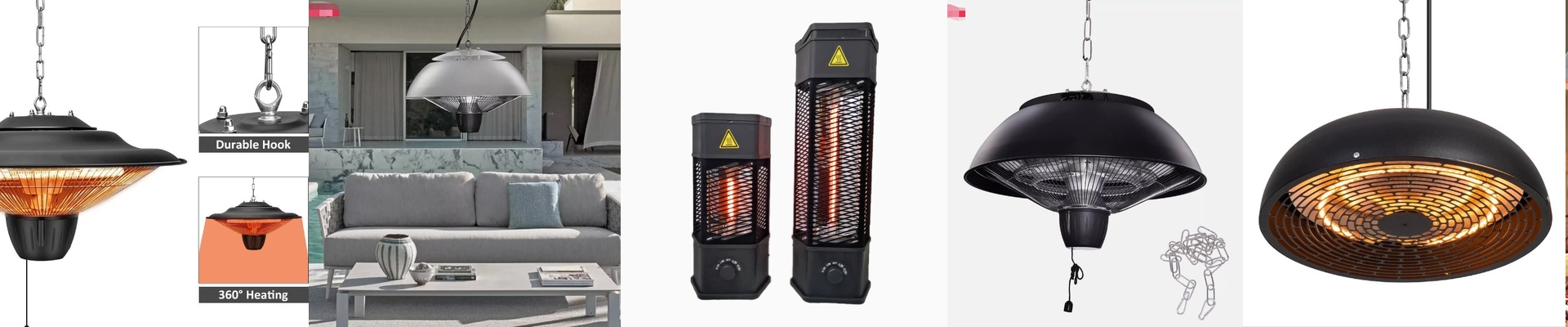
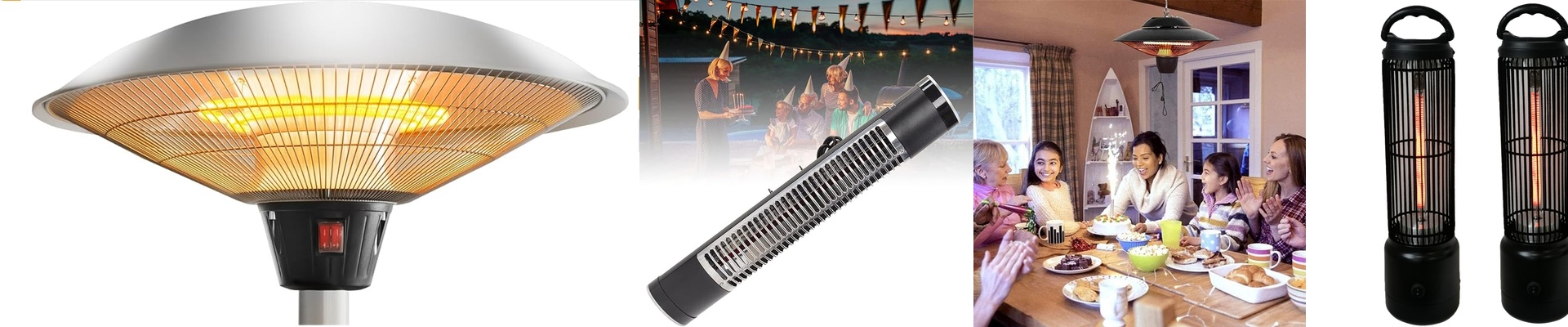
I see it all the time. Engineers overdo the heating load in wet rooms, and it always ends the same way: wasted electricity and a tripped breaker right when you’re stepping out of the shower. Here’s the secret: you aren’t trying to heat the air in the room. You’re heating the person. That’s where infrared comes in. It hits you instantly. Just make sure you’re using IP55-rated lamps, or the moisture and spray will chew through the internals in no time.
Picking the Right Wattage
You can’t just throw the biggest heater you find into a small room. You’ll bake yourself. For those tiny powder rooms—the ones under 5m²—a 400W to 600W shortwave lamp does the trick. It’s fast. Really fast. If you’re dealing with a big master bath (around 10m² to 15m²), you’ll need a few more units, maybe 800W or 1200W. But don’t just bunch them all in one corner. That’s a classic mistake. You’ll end up with one spot that feels like a sauna and another that’s freezing. Spread them out.
Why IP55 Actually Matters
Water and electricity are a nightmare pairing. That IP55 rating is your safety net. It keeps the dust and water jets out of the guts of the machine, which means you can actually put the heaters closer to the shower without worrying about a disaster. Since shortwave infrared beams heat directly to your skin rather than warming up the air, you don’t have to leave it running. The second you walk out the door, flick the switch off. Your power bill will thank you.
The Trade-offs
More power isn’t always better. Putting a 1500W lamp in a small stall is overkill. It’s uncomfortable for the user and puts a lot of stress on your wiring. Before you start wiring up a bunch of 1200W units, check your circuit capacity. If you overload a single 16A circuit, you’re going to blow the breaker. Keep it simple: balance your phases and go with the lowest wattage that still keeps things cozy.