
Stop Throwing Away Your Waterproof Heaters
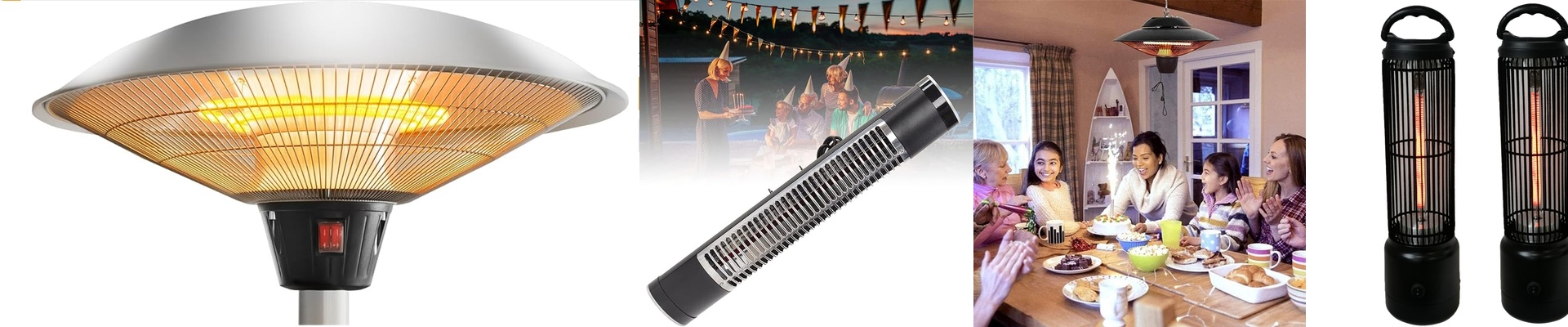
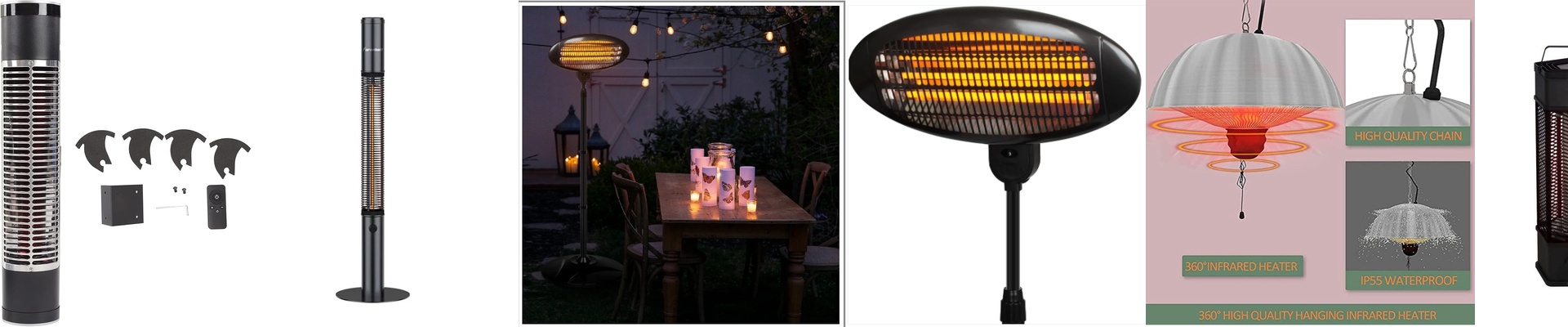
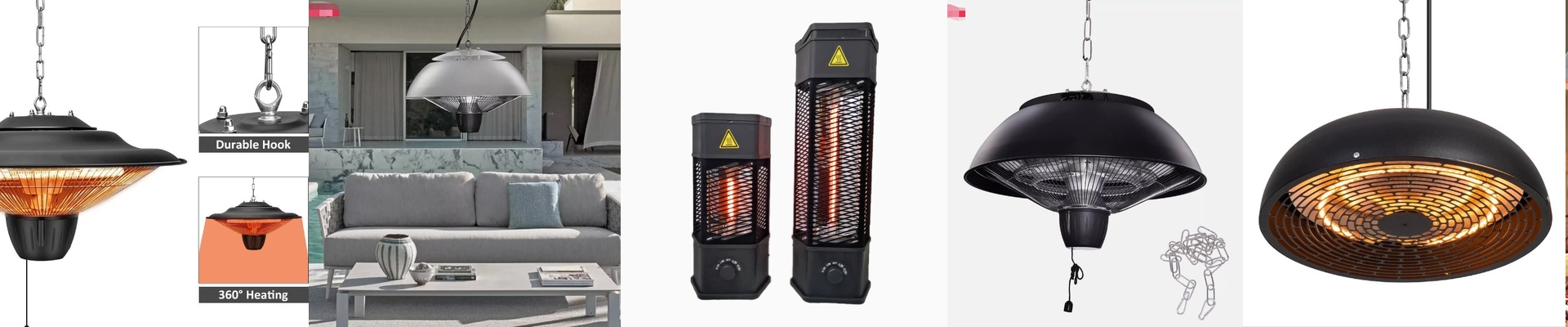
Most waterproof heaters are basically sealed boxes. That sounds great until a heating element burns out after five years. Then you’re stuck. You either have to rip the whole housing apart or just toss the entire unit in the scrap heap. Either way, your production line stops, and that costs you money. We got tired of that, so we changed how our IP55 infrared table heaters are built on the inside. The struggle with the IP55 seal Here’s the thing about an IP55 rating: it’s designed to keep out dust and water jets. To make that happen, you need tight gaskets and sealed conduits. It works. But it also makes the inside of the heater a nightmare to get into. If you’re dealing with a standard fixed-wire setup, replacing one single tube means messing with soldering irons or cutting wires inside a cramped, sealed metal box. It’s frustrating work. The “Swap-and-Go” approach We decided to ditch the permanent wiring. Instead, we use quick-connect terminals and brackets that just slide into place. If a tube goes out, you just pop open the access panel, unplug the module, and drop in a new one. No rewiring the control board. No headaches. We spent a lot of time on the tolerances here. We wanted the new module to seat perfectly—exactly where the old one was. That way, you keep that IP55 seal without having to manually mess around with sealants or new gaskets. Real-world maintenance Let’s be honest: five years in a factory is a long time. Between the humidity, the constant vibration, and the heating and cooling cycles, those filaments are eventually going to fatigue. It’s just physics. By treating the heating element as something you replace—like a lightbulb—rather than a permanent part of the machine, we’ve turned a multi-hour repair job into a few minutes of work. Just a quick tip: whenever your tech swaps a module, tell them to double-check the seal. You don’t want moisture creeping into the electronics.