
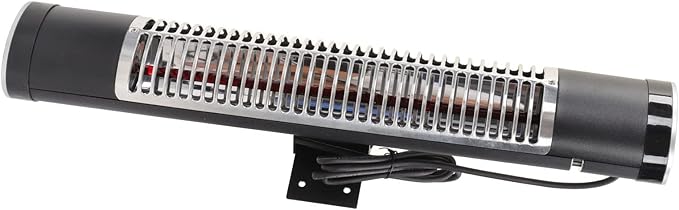
Keeping Your Pergola Heaters Dry (and Working)
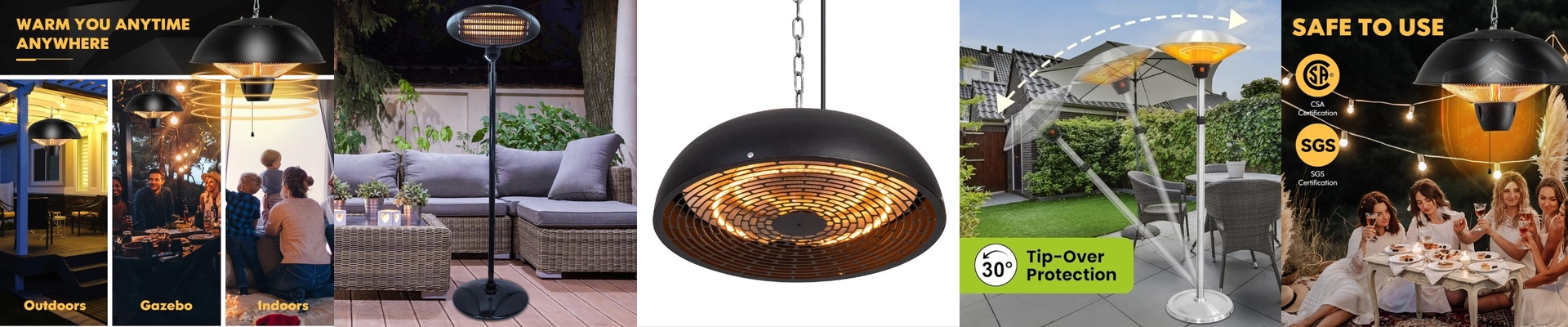
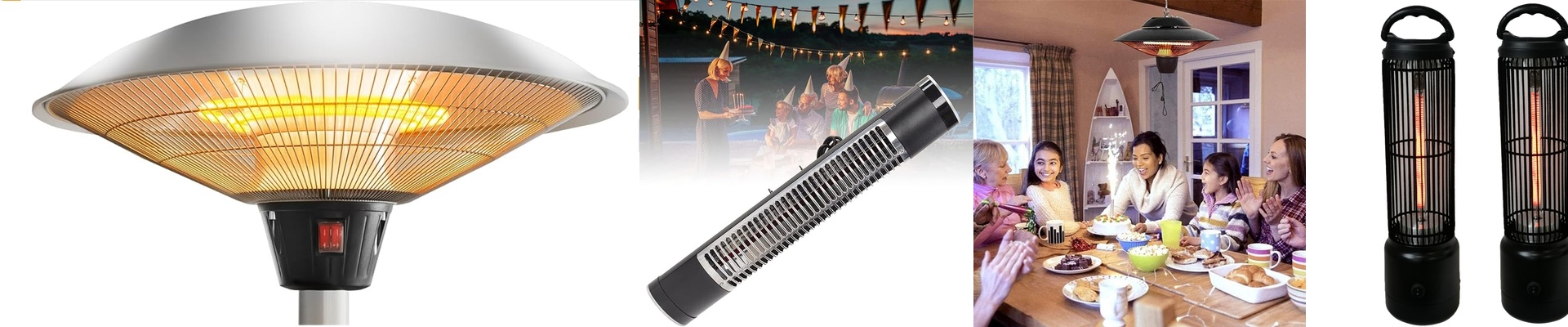
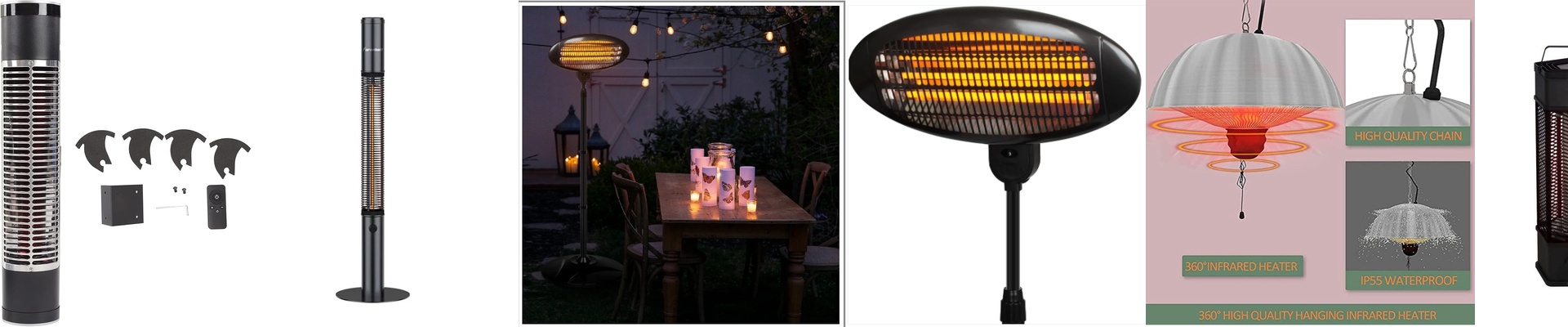
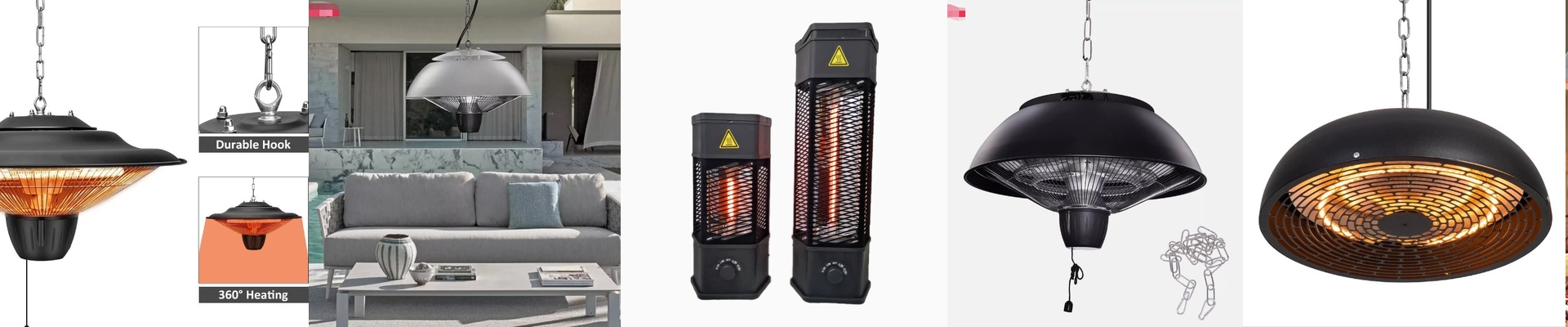
Putting infrared heaters in a pergola sounds great until you remember that the outdoors is, well, outdoors. You’ve got humidity, morning dew, and the occasional surprise rain shower. Most heaters die because moisture sneaks into the electrical contacts or the heating element. It’s the fastest way to turn an expensive piece of gear into a paperweight. The battle against splashes and fog Here’s the thing: a little bit of mist or a light drizzle can wreck a standard heater. It gets inside the housing, causes a short, and burns out the quartz tube. To stop that, we use a sealed, IP-rated chassis. It basically acts as a shield against splashes. But it’s not just about the rain. Fogging is a sneaky problem. When condensation settles on the lens, it creates these “cold spots.” The glass expands unevenly because of the temperature difference, and then—snap—it cracks. We added specialized coatings and tweaked the airflow to keep the surface clear. This means the heat stays steady and the glass stays intact. Hardware that actually lasts Rust is the enemy. That’s why we use corrosion-resistant alloys for the brackets and the housing. You shouldn’t have to worry about your heater looking like a rusty relic after one winter. We also paid a lot of attention to the wiring. We use high-temp, moisture-resistant insulation so you don’t see wires fraying or oxidizing a few months in. The most important part? The seal where the power lead meets the heater body. That’s usually where the leaks start. We used a tight, gasketed seal to make sure water doesn’t creep into the guts of the machine. The honest trade-offs I’ll be real with you: waterproofing adds some bulk. A fully sealed unit is a bit bigger and heavier than an open-frame heater. Just make sure your pergola beams can handle the extra weight before you mount them. And one more thing. These heaters are tough, but they aren’t submarines. If you mount them in a spot where they’re getting hammered by heavy rain every single day without any cover, the seals will eventually give out. Keep them under your pergola canopy, and they’ll treat you right for a long time.