
Stop Letting Ozone Eat Your Hardware
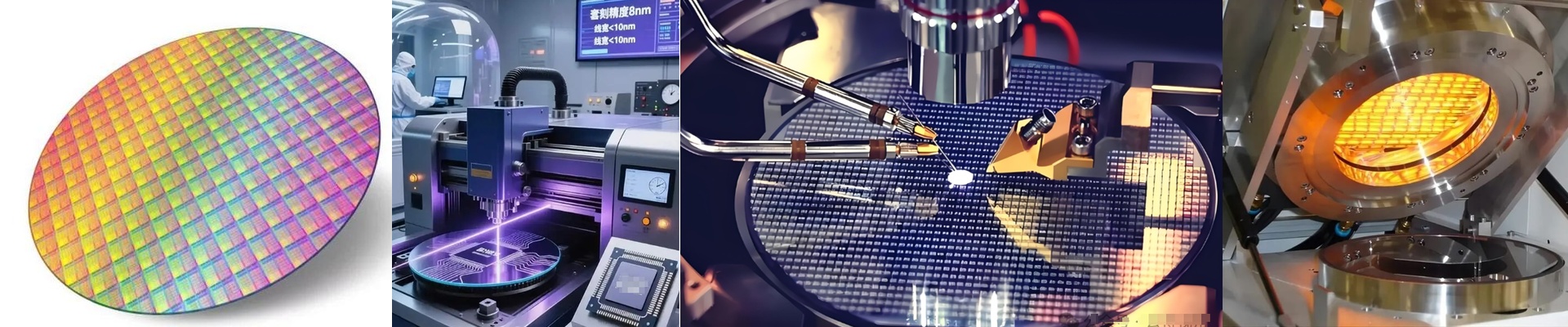
When you’re working in a semiconductor fab, the last thing you need is contamination. You need your drying and curing processes to be invisible—they should just work without leaving a trace on the wafer or messing up the cleanroom. That’s where ozone-free infrared (IR) lamps come in. Most standard short-wave IR lamps have a nasty habit of emitting radiation in the 185nm to 254nm range. The problem? That radiation hits the oxygen in your air and creates ozone. In a fab, ozone is basically a corrosive ghost. It quietly eats away at your tool components and ruins your substrates before you even realize there’s a problem. The trick to fixing this is actually pretty simple. We use special quartz envelopes or internal filters to block out that VUV (Vacuum Ultraviolet) spectrum. By cutting off everything below 200nm, we get rid of the chemical byproduct entirely. You’re left with pure thermal energy. The best part? You can run high-intensity curing cycles without having to install those massive, noisy exhaust systems just to scrub the air. It just makes the whole room feel cleaner. It’s also a lot faster. Think about a convection oven. You have to heat the air, and then the air heats the part. It’s slow. IR is different. It transfers energy directly to the material. It’s lean. It’s efficient. Your ramp-up times drop, and your cycles get shorter. Plus, we can zone these systems, so you aren’t wasting power heating the whole board when only one tiny spot needs the heat. But here’s the catch. High-intensity IR lamps get hot. I mean really hot—specifically at the lamp head. Even though the process is green, the hardware still feels the strain. You can’t skimp on your cooling fans or water-cooled jackets. If you undersize your cooling, the ends of the lamps will overheat and burn out way too soon. It’s a frustrating way to lose a lamp. Switching to ozone-free IR just makes life easier. You can stop worrying about hazardous gas monitors and you’ll hit those “eco-friendly” and “lead-free” mandates without breaking a sweat. It’s the shortest path to a cleaner, quieter shop.