

IR Heating vs. Hot Air: Making CNTs Faster
If you’re working on carbon nanotube (CNT) fabrication, you know the drill. Everything hinges on getting your thermal control exactly right to wake up the catalyst and get those tubes growing. For years, most of us just stuck with hot air circulation. It’s the old-school way. But lately, especially in semiconductor deep processing, people are ditching the air for infrared (IR) heaters. Why? Because waiting around for air to heat up is a massive waste of time.
The problem with blowing hot air
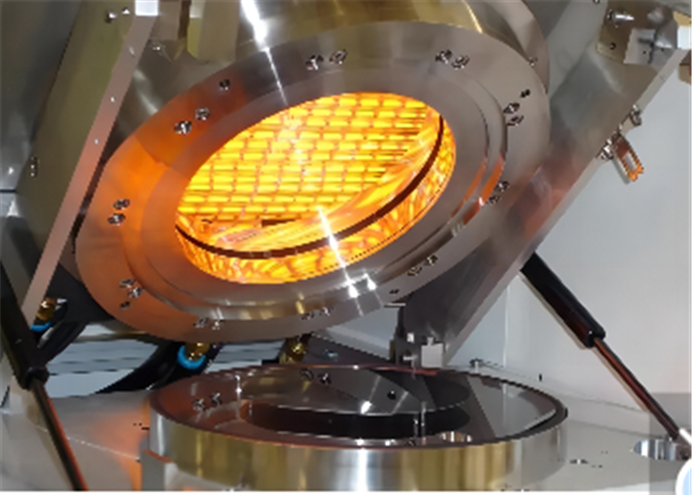
Think about how convection works. You have to heat the air, then the air heats the chamber walls, and then the heat finally reaches your substrate. It’s like trying to warm up a house by heating the porch first. It creates this annoying lag. Your ramp-up times drag on, and cooling takes forever. IR heating just cuts out the middleman. It uses electromagnetic radiation to beam energy straight into the substrate. It’s direct. It’s fast.
Speed and precision
With IR, you hit your target temperature in seconds. That’s a big deal. It lets you tighten the thermal window for your synthesis and gives you a much sharper temperature gradient. The real win here is the “soak time.” Since you aren’t waiting for the substrate to slowly catch up to the growth temperature, you can push way more wafers through the system every hour.
The catch (because there’s always a catch)
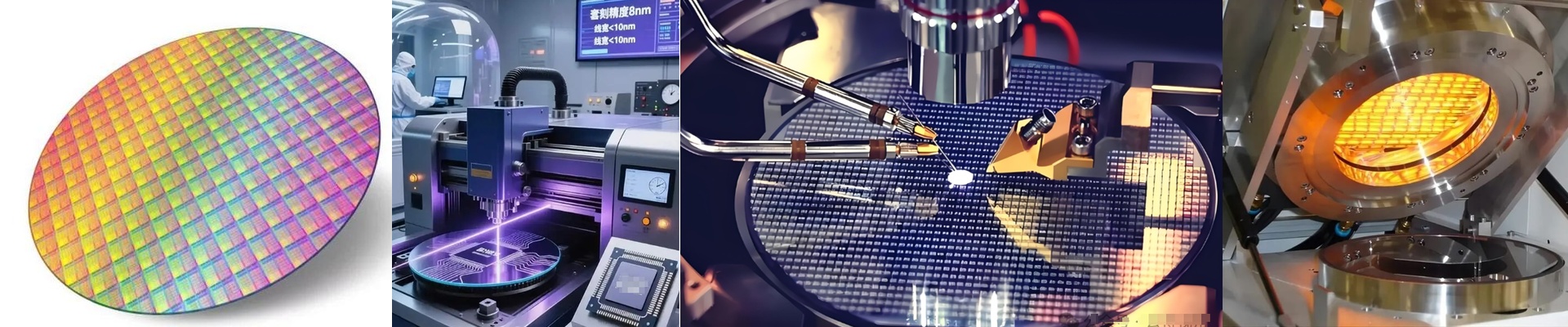
Now, you can’t just swap a heater and call it a day. IR is directional. If your substrate is even slightly off-center, you’ll get hot spots. Those spots can torch your catalyst or leave you with a messy, uneven density of nanotubes. You have to spend some real time obsessing over the reflector geometry to make sure the heat hits the wafer evenly. There’s also the stress factor. Because IR is so aggressive, it puts a lot of pressure on the substrate’s thermal shock tolerance. You can’t just crank the power to 100% and hope for the best. You’ll need a PID controller that can keep up with how fast IR lamps react, otherwise, you’ll overshoot your set point and ruin the batch. It’s a smaller footprint than the old air systems, sure. But you’ll spend a lot more time on the calibration side of things.